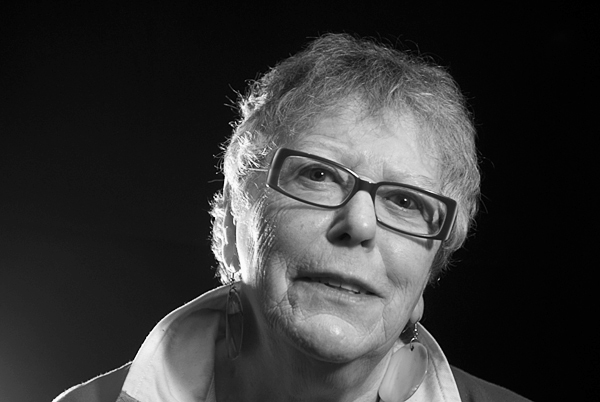
Jil Cove 1939 – 2025
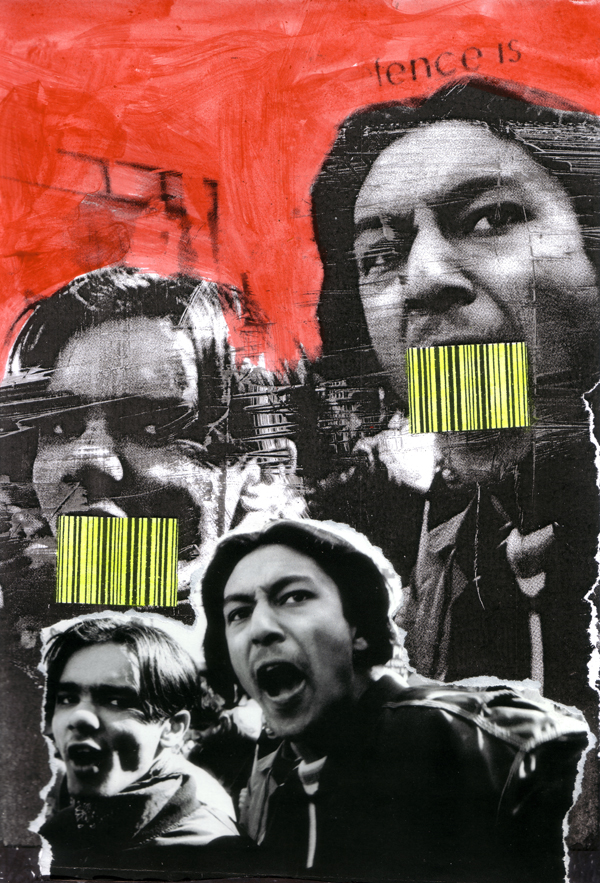
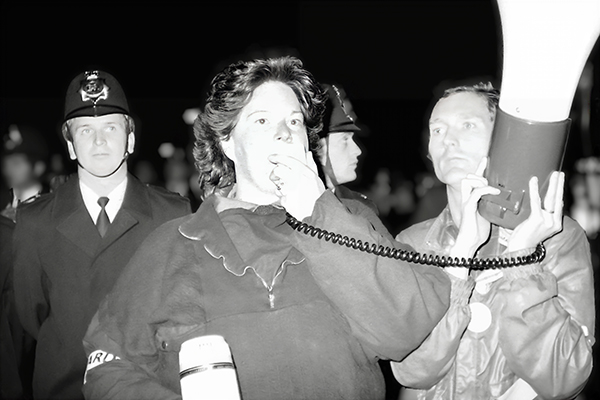
I first got to know Jil Cove properly when we were both arrested in January 1986, at the start of the print union strike when Murdoch moved all newspaper production to Wapping. When 6,000 workers from the traditional print unions refused to accept new terms and conditions, they were sacked, sparking a major strike and picketing campaign.
At great expense to the public purse police maintained a massive and constant presence at the Wapping site. A key objective was to ensure that lorries carrying newspapers could enter and leave the heavily fortified Wapping plant—this often meant physically removing picketers. We were both arrested for ‘obstructing the public highway’ – even though we were on the pavement. In a sense we were both lucky to get arrested on the first night of the dispute as police tactics became brutal as the dispute continued. Police used riot gear, horses, and vans to disperse crowds. The Special Branch, particularly its covert arm the Special Demonstration Squad (SDS), conducted extensive surveillance during the Wapping dispute. This included daily intelligence briefings on picketing, protester behavior, union meetings, banners, slogans, and organizational details.
The policing of Wapping became symbolic of a broader shift in how the state dealt with Union disputes. The legacy of this is plain to see today in the way the police arrest protesters opposing the genocide in Gaza. Altogether 1,200 arrests were made during the course of the dispute, mostly for public order offenses. Jil was the Chair of the National Association of Probation Officers (NAPO) at the time of our arrest and as we were cautioned and escorted onto the police bus she sensibly told me to keep my mouth shut – an instruction I embraced immediately!
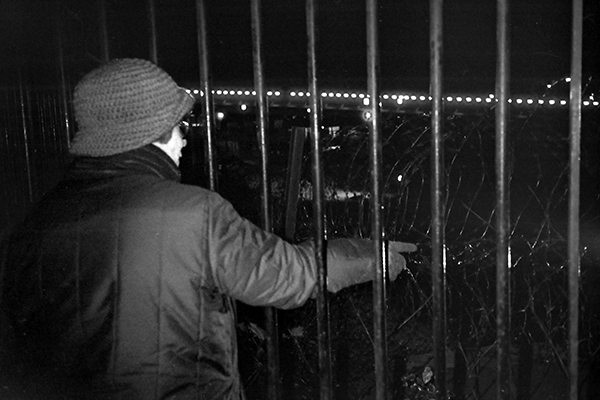
NAPO magazine described Jil as having “A life of justice, joy and uncompromising principle” and that she left behind “a legacy of fierce compassion, political clarity and deep commitment to the probation service, her union, and her community. A former chair of Napo and lifelong activist, Jil’s sharp wit, courage and belief in people left a mark on all who knew her. We remember her not only for what she stood for, but how she lived—joyfully, defiantly, and with love.”
Jil’s friend Andrea Campbell writes:
“With Jil Cove’s death we have lost a formidable force of nature, a tireless campaigner and fighter for equality, justice and community. And I have lost a fabulous friend who inspired me, made me laugh, taught me to be even bolshier and organised wonderful social events. I met Jil when I moved to Tower Hamlets in 1982. I was a very active trade unionist and she sucked me into the politics of local Labour. She and her soulmate George Roberts were challenging the entrenched party leadership who ran things through patronage, fiefdoms and bad testosterone.
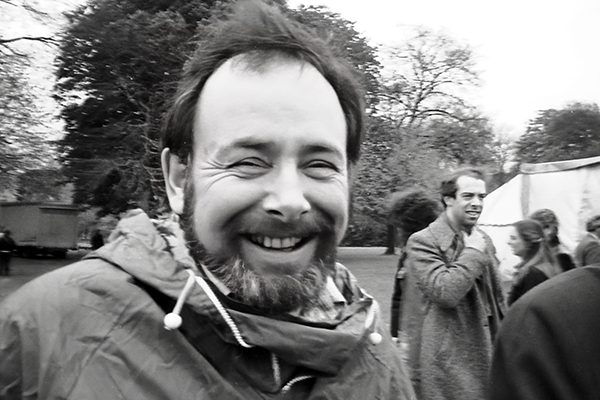
Jil was a probation officer committed to seeing hope in people’s ability to develop and committed to giving people respect and autonomy.
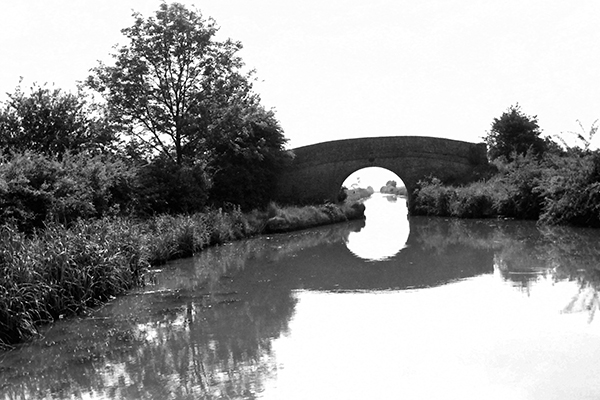
Jil’s ever present aura of cigarette smoke was a feature of being her friend. She, George and Shelley Wise bought a canal boat in the 80’s and rainy evenings inside playing board games with a clouds of smoke swirling, gin and tonics with ice tinkling and inevitable political planning and discussions were a joy. It was named the Rosa Luxembourg. When my baby son Joseph arrived he was welcomed on board and put in the dog basket as directed by Jil as “a safe place to sleep”. She later adopted a rhinoceros, Scud, for him during the era of Jurassic Park as it “was the closet thing to a dinosaur I could find”. He loved that.
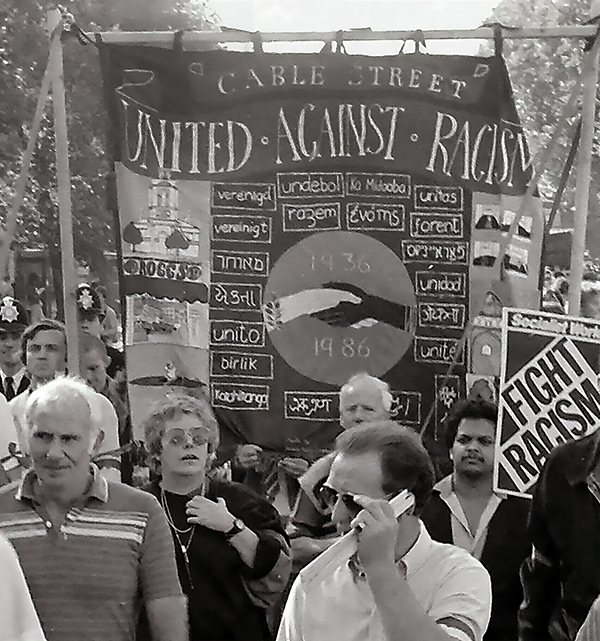
We marched together for health campaigns, the miners strike, the Wapping printers sackings, abortion rights, celebrations marking the battle of Cable Street and demonstrations against the National Front and the British National party. She greeted me outside police stations after arrests particularly during the Wapping dispute always supportive and with her trademark deep laugh.
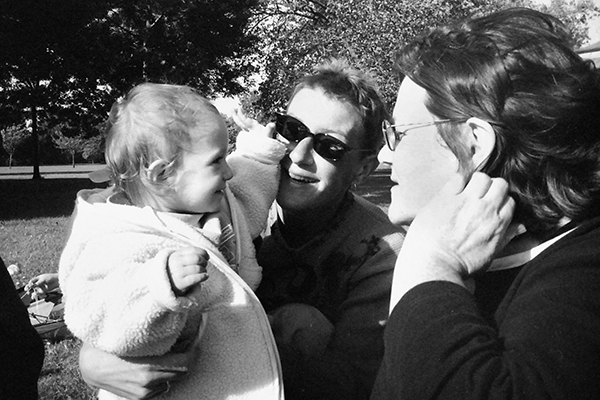
Despite her misgivings about USA politics she embraced our celebrations of Thanksgiving, Halloween and 4th of July ( on the basis that it chucked out royalty) and was a founder member of our International Women’s Day weekend started in 1993 in Salford and continuing ever since. She memorialised George by bringing myriad friends together in Greenwich park and then Victoria Park every August for almost 20 years. She always ended the picnics by handing out song sheet with the Red Flag lyrics and belting it out with fist raised.
All my family and all my friends who knew her have a ‘Jil story’. She will live forever in our hearts, our minds, and in our protests.
I like to think of her marching off the earth with her fist raised singing the Red Flag.”
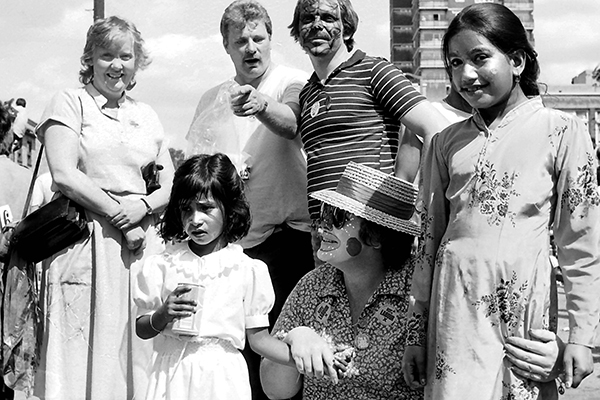
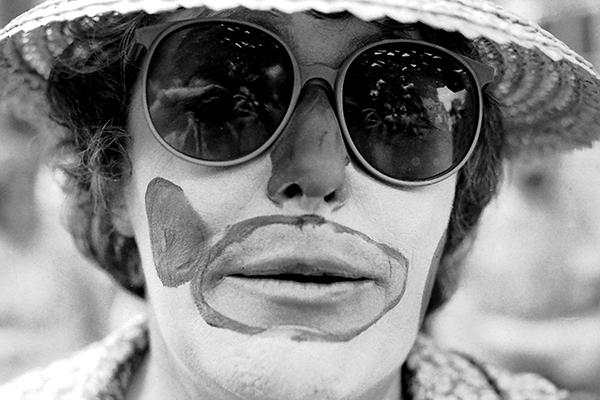
Jil’s friend Sue Carlyle writes:
“Meeting Jil with George Roberts in Spitalfields was an experience in a selection meeting in 1981, where the chief whip of the ruling Labour group was ousted, and Jil asked me a question about uniting Ireland.
Jil took on chairing the local party and was to stand for Parliament against the sitting MP. Usually there had been no democratic selection process, a mere nodding through, so Peter Shore was shocked into action to counter the opposition. He won, but the party at least now had a democratic say. Jil was a marvellous candidate.
Prior to this Jil gained political experience in her trade union culminating in chairing National Association of Probationers Officers, NAPO but brought humour to any political meeting while taking on serious issues, combining this with her fulltime job.
In 1988 Jil’s comrade companion George tragically died that brought her life to a temporary halt that was turned around by the institution of an annual celebration picnic in his memory. For years socialist friends and comrades met to sing the Internationale, led and organised by Jil.
On the eve of 1997 Blair victory Jil parted company with Labour and sent Blair a resignation letter pointing out why he and his policies did not come up to her socialist standards and how Labour had failed her.
She turned towards one of the important local issues of saving Spitalfields Market from the grasping tentacles of the City encroachment and developers. Her efforts drove this campaign that reached the House of Lords with Jil as the main objector, but with hundreds of community residents behind her.
Jil’s life wasn’t always about politics – it was very much about fun. She was part of a gaggle of women friends who celebrated International Womens Day with prosecco and cake in venues across the UK. She gave regular New Year parties and had a host of stories from her childhood, her workplace helping prisoners and drunks and observed everyday life in Spitalfields changing.
Her last years were spent in a brand new flat with her old block demolished for development. Jil with her neighbours wasn’t going to accept anything less than they had lived in before so to the end she was fighting for the rights of people and not being left behind.”
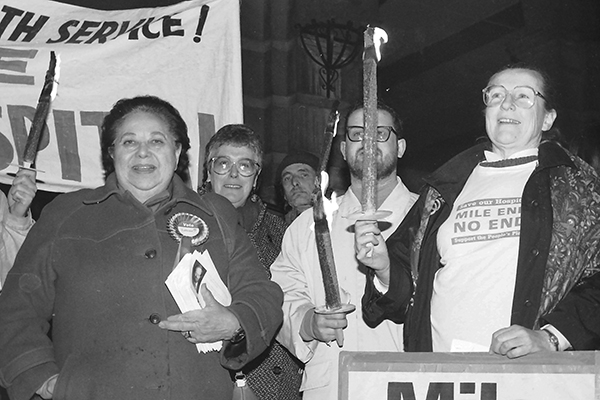
In 2013 I interviewed Jil for the documentary film East One. It examined immigration, regeneration, living conditions and culture through the eyes of local residents. Jil appears twice in the film together with her good friend Michael Myers. You can watch the film below.
Dir. Hazuan Hashim & Phil Maxwell | 65 min | UK 2013