On The Phone In Liverpool (2)

On the phone. Liverpool 2017.

Clayton Square, Liverpool 2017.

On the number 14 bus. Liverpool 2017.

Bold Street, Liverpool 2017.

On the phone, Liverpool 2017.

Man with a phone. Bold Street, Liverpool 2017.

On the phone. Picton Road, Liverpool 2017.

Checking the phone. Liverpool 2017.

Checking the phone on a bus. Liverpool 2017.

On the phone. Picton Road. Liverpool 2017.
You may also be interested in:
Imagine A World Without Mobile Phones
You can support a feature length film I am helping to make about pensioners and their campaigns here: Pensioners United.
Liverpool March 2018 (4)
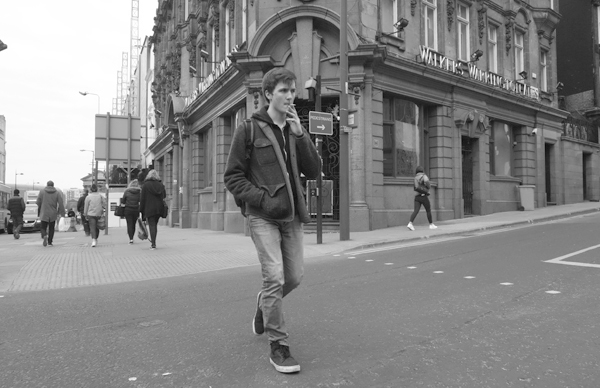
Passing the Vines pub on Lime Street. Liverpool March, 2018.

On the phone in Lime Street. Liverpool March, 2018.

St John’s. Liverpool March, 2018.

Supermarket. Liverpool March, 2018.
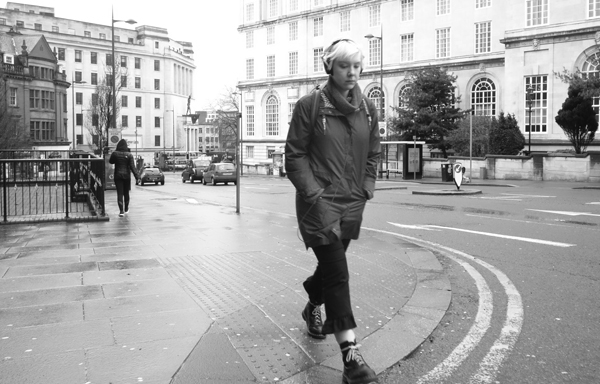
Wearing headphones. Liverpool March, 2018.
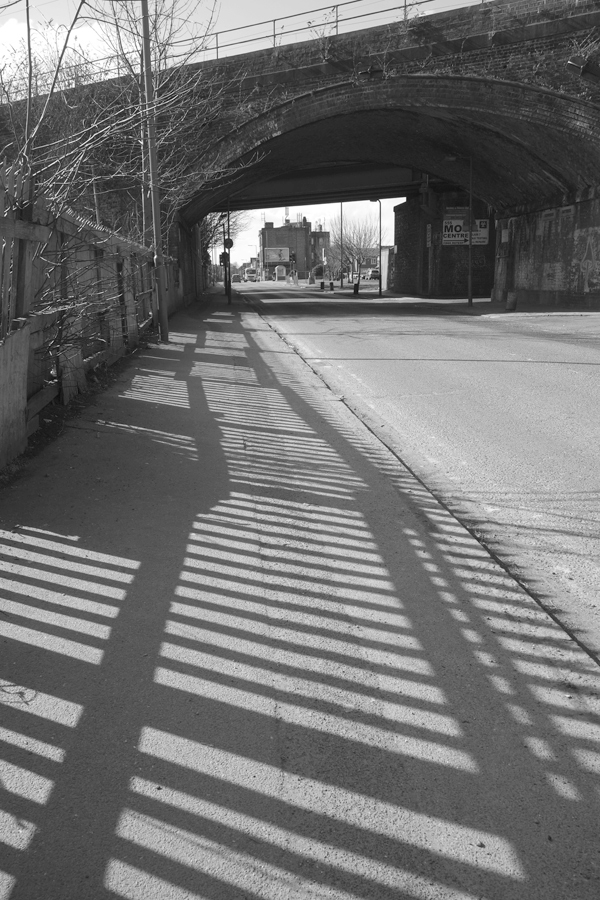
Shadows on Wellington Road. Liverpool March, 2018.
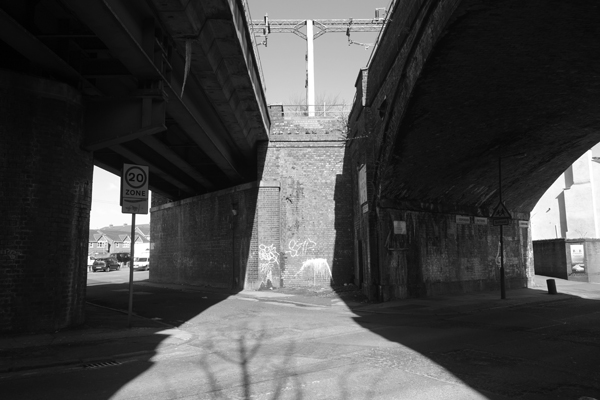
Under the bridge on Wellington Road. Liverpool March, 2018.
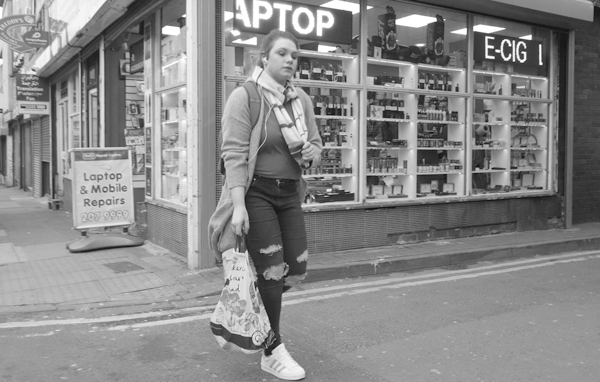
London Road. Liverpool March, 2018.

Icicle under the bridge on Wellington Road. Liverpool March, 2018.
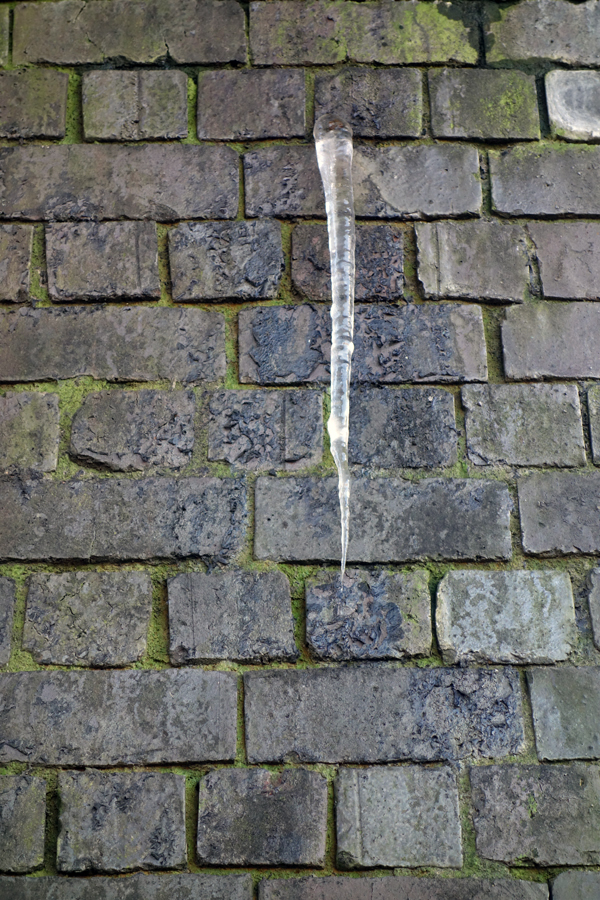
Icicle under the bridge on Wellington Road. Liverpool March, 2018.
You may also be interested in:
You can support a feature length film I am helping to make about pensioners and their campaigns here: Pensioners United.
Liverpool March 2018 (3)
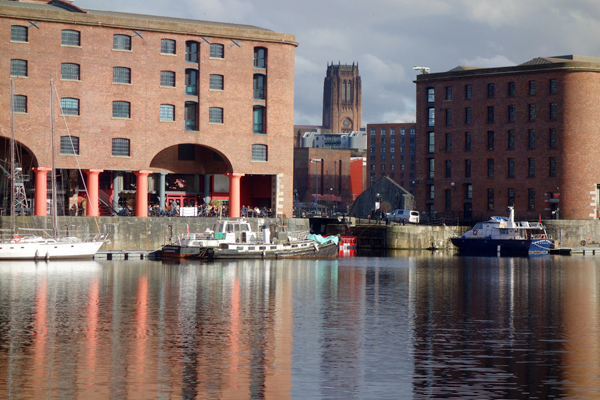
Albert Dock. Liverpool March 2018.
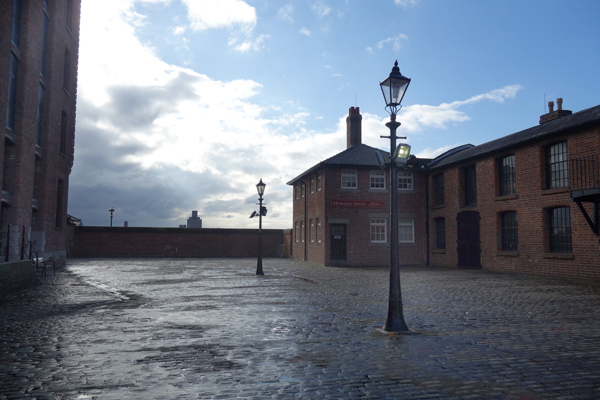
Albert Dock. Liverpool March 2018.

Taking a photograph through the window of the Tate gallery. Liverpool March 2018.

Running for a bus in Queen Square. Liverpool March 2018.

On the phone in Picton Road. Liverpool March 2018.
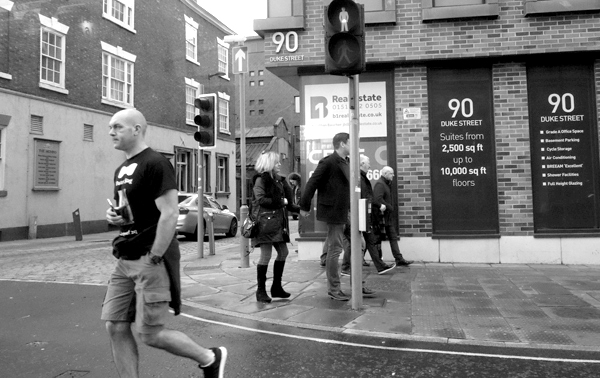
Crossing the road in Duke Street. Liverpool March 2018.

On the phone in Lime Street. Liverpool March 2018.

Supermarket. Liverpool March 2018.

Don’t buy the S*N on Brownlow Hill. Liverpool March 2018.

London Road. Liverpool March, 2018.
You may also be interested in:
On The Waterfront In Liverpool
You can support a feature length film I am helping to make about pensioners and their campaigns here: Pensioners United.
60th Anniversary Of The First Aldermaston March
Today is the 60th anniversary of the first anti-nuclear Aldermaston March.
The first atomic bomb was dropped by the USA on the Japanese city of Hiroshima on 6 August 1945. Three days later a second atomic bomb was dropped on Nagasaki; the Second World War was over, but a new Atomic Age had begun.
The fear of nuclear warfare gripped Europe in the 1950s and The Campaign for Nuclear Disarmament (CND) was soon formed at a massive public meeting in London in February 1958. As well as campaigning against any military action that may lead to the use of atomic, chemical or biological weapons, CND favour nuclear disarmament of all countries.
The first Aldermaston March was held shortly after the formation of CND, on 4-7 April 1958. People marched for four days from Trafalgar Square, London to the Atomic Weapons Research Establishment in Berkshire to demonstrate their opposition to nuclear weapons. This march attracted a good deal of attention, and the CND symbol was seen everywhere. From the outset people from all sections of society got involved. After 1958 the marches were held annually from 1959 to 1963 when the International Test Ban Treaty was signed, which partially banned nuclear tests. There were revivals of the march in later years including 1972 and 2004. The Aldermaston Marches, the CND symbol and their slogan ‘Ban the Bomb’ became icons and part of the youth culture of the 1960s.
Recently Theresa May announced an extra £600 million for the Dreadnought submarine programme, part of the government scheme to replace the Trident nuclear weapons system. She announced it as if it were positive news, but it represents more millions that could have been spent on schools, hospitals and building new homes.
Kate Hudson, CND general secretary, said:
“It’s a further example of the lack of transparency on Trident spending, the full costs of which the government never admits to. Our calculations, using government figures in the public domain, show that Trident replacement will cost more than £205 billion over the lifetime of the scheme, yet you will never hear the government admit to these full costs.”

CND meeting at Labour Party Conference. Brighton 1990s.

NHS Not Trident. Publicity shot for the film Austerity Fight. Manchester 2017.

Liverpool protest (CND). Early 1980s.

‘Cut Trident’, TUC March London 2011.

Cruise missile convoys convey death. Protesters block Whitechapel Road in East London. Early 1980s.

No to war. Manchester, October 2017.

Anti-nuclear protest, Brighton 1984.

Anti-nuclear protest, Brighton 1984.

Jobs not Trident. NHS London demonstration 2017.

Anti-Nuclear Demonstration, Brighton 1984.

Parents of deceased British Soldiers. anti war protest in Trafalgar Square. London 2003.

‘Jobs not bombs’, Liverpool 1980s.

Anti-war badges. St Georges Hall Liverpool 2018.

British army veteran Dave Gannon with a defused Donald Trump on the Stop The War & CND stall at Georges Hall Liverpool, March 2018.
You may also be interested in:
NHS Protest ‘In The Spirit Of The Suffragettes’
You can support a feature length film I am helping to make about pensioners and their campaigns here: Pensioners United.
Around London In 2008

Landlady Sandra Esqulant outside the Golden Heart pub in Spitalfields. London August 2008.

Commercial Road in Stepney. London, August 2008.

Bank underground station. London, August 2008.

Watney market in Stepney. London, August 2008.

Crossing the road in Stepney. London, August 2008.

Bank underground station. London, August 2008.

Battersea power station viewed from a train.

Battersea power station viewed from a train. Bank underground station. London, August 2008.

Commercial Road in Stepney. London, August 2008.

Crossing the road in Stepney. London, August 2008.
You may also be interested in:
Around East London In 2008 (6)
Commercial Street East London – Old & New
Looking Back On Brick Lane (5)
You can support a feature length film I am helping to make about pensioners and their campaigns here: Pensioners United.