Steve Reich In London
Steve Reich was at the Barbican last Saturday for more 80th birthday celebrations.
To begin with a packed concert hall heard the piece “Pendulum Music” using seventeen upside down microphones released from pendulums by standing performers who sat cross legged once the swinging commenced. As each microphone passed a speaker on the ground feedback was created which changed as the momentum diminished in nearly total darkness. It felt as if you were exploring a barely lit cave using radar.
Next up was “Nagoya Guitars”, with two guitarists exchanging, revisiting and echoing tunes. This was an appropriate introduction to a special performance of “Electric Counterpoint”, one of Reich’s best known compositions. Originally written for a single guitarist accompanied by tape it was performed with a magnificent ensemble of 11 guitars and two basses. It was good to see musicians swaying with pleasure to the beat in the Barbican.
The Grammy award-winning “Different Trains” was performed next by the Britten Sinfonia. Initially drawing on his childhood memories of train journeys across America during the Second World War, Reich moves onto the horrific train journeys of prisoners destined for Nazi concentration camps in Europe. The music is peppered with train whistles, threatening sirens and recorded voices. The music takes us into the nightmare of the Holocaust. It was a shame that the performance wasn’t accompanied by the footage that was put together by Bill Morrison for the recent Liverpool performance.
A new ensemble piece “Pulses” came next followed by the famous composition “Three Tales” which was in three parts and addressed dangerous landmarks in the development of 20th century technology. In three parts the music explored the Hindenburg disaster, nuclear testing and the cloning of Dolly the sheep. As usual Reich’s music is incisive and prophetic. With the election of Donald Trump as president the sinister section on nuclear weapons has a new immediacy. The piece was a collaboration between Reich and his partner, video artist Beryl Korot. Her film resonated with the music and was applauded warmly by the audience.
Reich seems a modest and warm hearted human being; he chatted informally with members of the audience during the interval and handled the sound mixer at the back of the hall during the performance. I wonder what he thought about the digital technology at the Barbican? Would he have preferred some reel to reel tape recorders?
An enthusiastic member of the audience (there were many) was the composer Michael Nyman. During the 1970s Nyman assisted Reich in his first UK performance. He used the occasion to present Reich with a postcard Reich sent to him from New York. He told me “He sent it to me in 1970 so I am giving it him back in his 80th birthday year”. Altogether a historic and memorable evening. I’ve booked my ticket for his 100th birthday concert (hopefully in Liverpool & London again).

Steve Reich congratulates the lead guitarist following the performance of “Electric Counterpoint”

Steve Reich at the control desk in the Barbican concert hall

Steve Reich talks to a member of the audience during the interval

Steve Reich talks to a member of the audience during the interval

Steve Reich talks to a member of the audience during the interval

The stage during the interval

Michael Nyman (right) hands Steve Reich his postcard from the 1970s

Steve Reich reacts to seeing the postcard

Michael Nyman at the concert

Steve Reich with his partner, video artist Beryl Korot at the end of the concert
You may also be interested in:
Also a short film with music by Lola Perrin (who has been described as “a feminine Steve Reich”):
Art (3)
Here is some art.
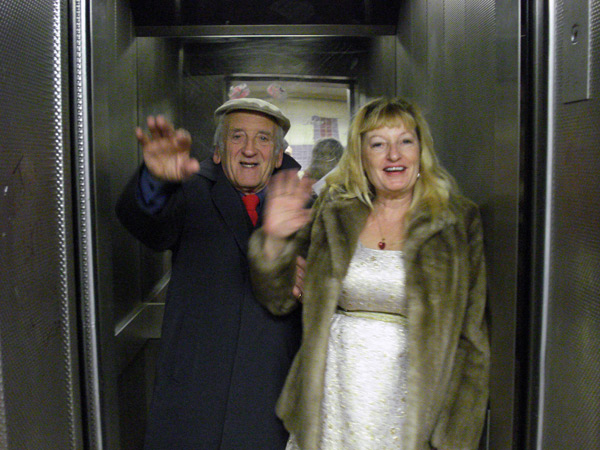
Local East End legend Michael Myers waves goodbye with his partner Deborah from a lift on the Chicksand Estate, East London 2010
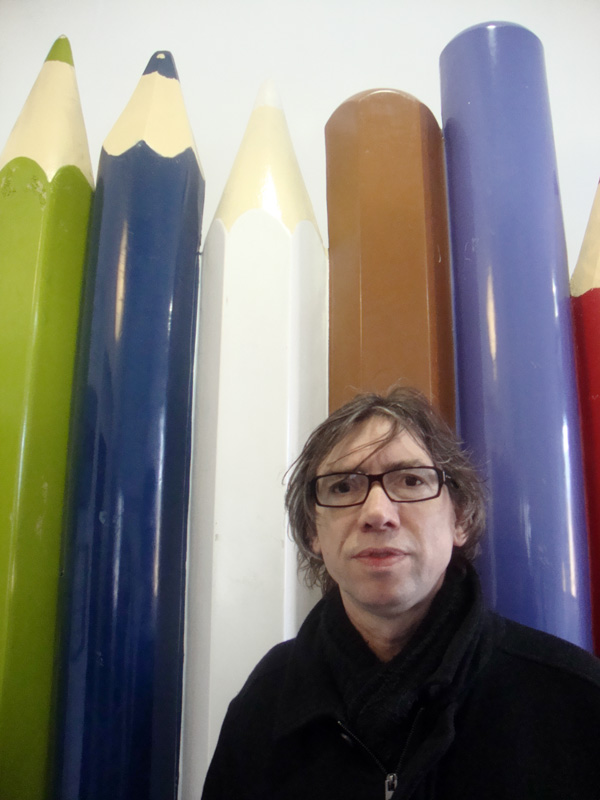
Artist David Reeve, 2010
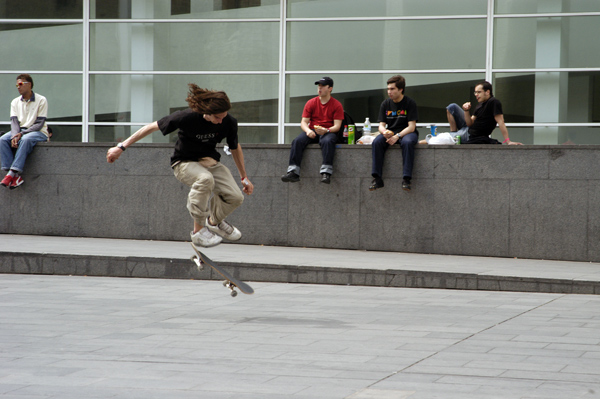
Skateboarding in Barcelona, 2005

Man pulling a cart. Chittagong, Bangladesh 2008
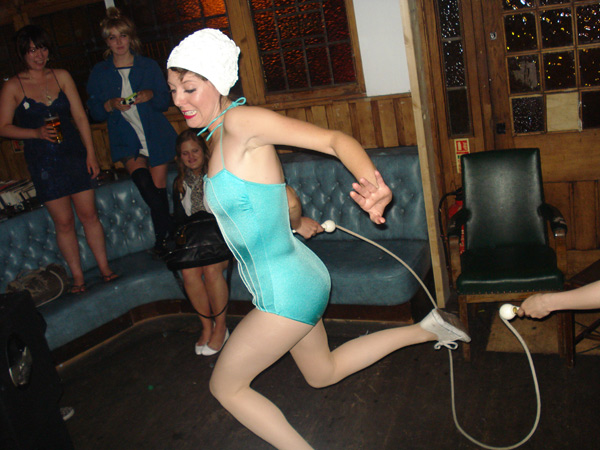
Performance artist in the George Tavern, East London 2008
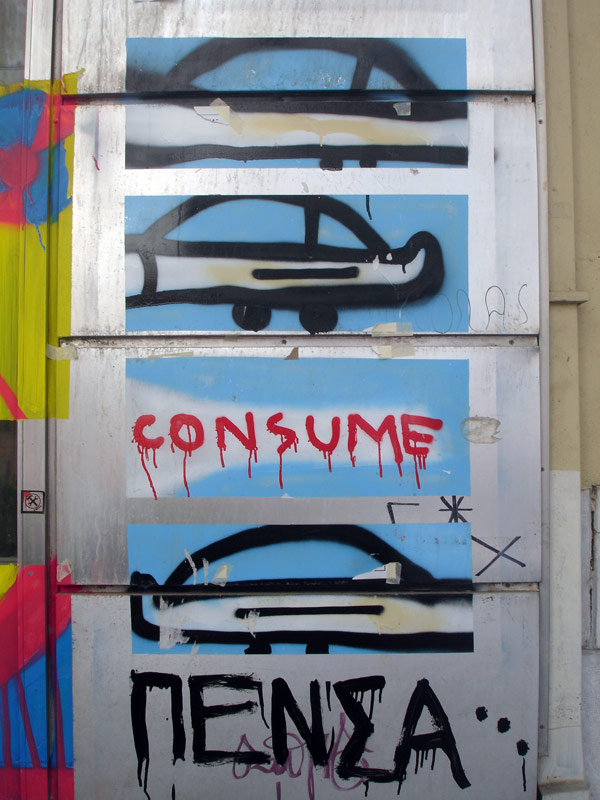
Street art, Athens 2005
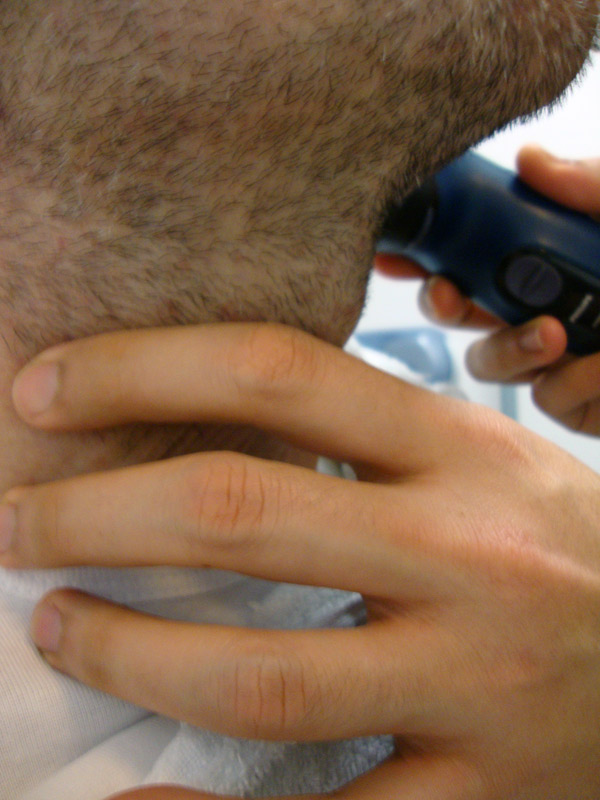
St Bartholomew’s Hospital, London 2010
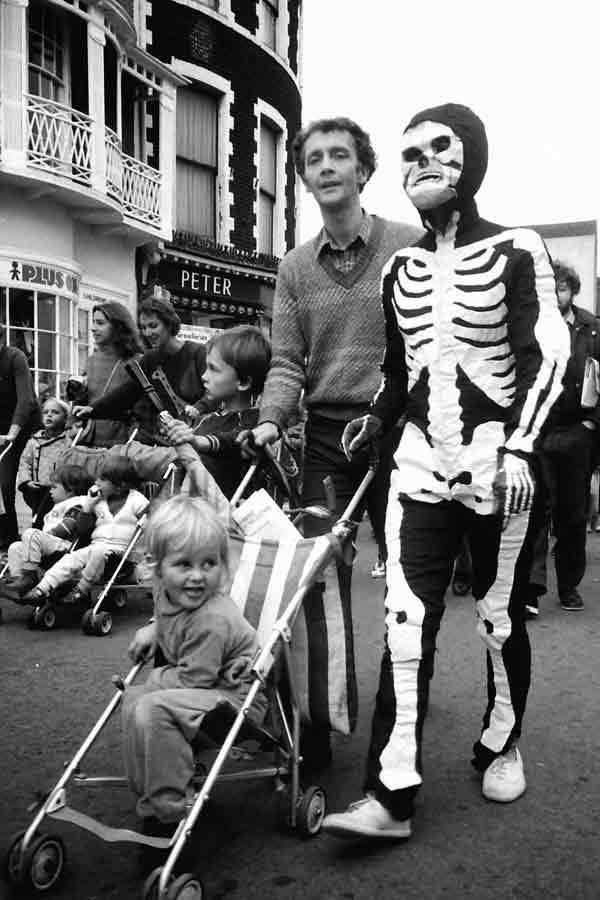
Anti-nuclear weapons protest in Brighton 1980s
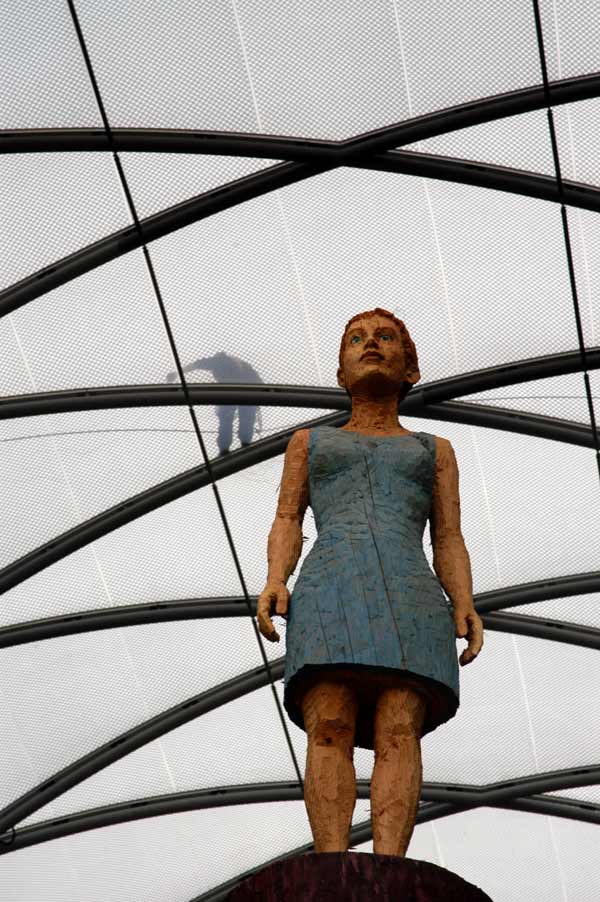
Public art, sculpture in Berlin 2007
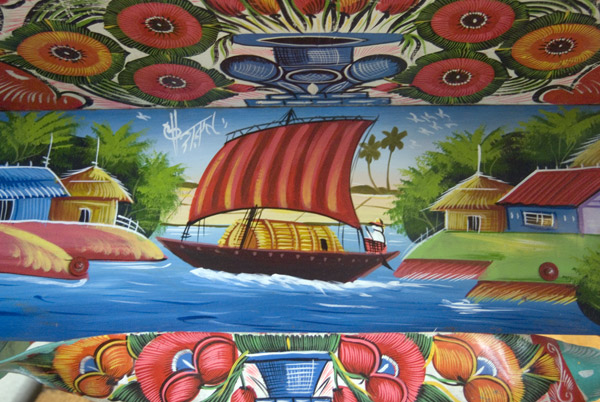
Rickshaw art, River scene, Bangladesh 2009
Art (2)
Here is some art.
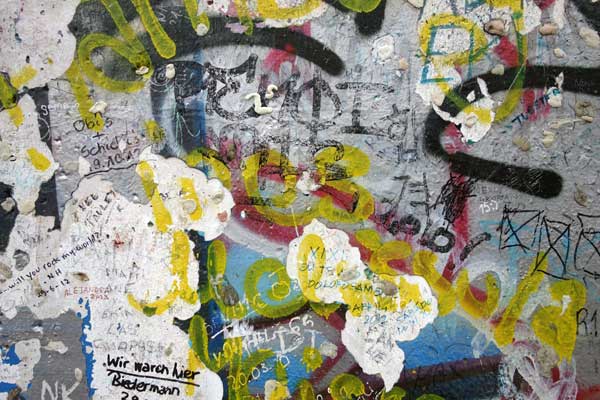
Part of the remaining Berlin Wall 2013
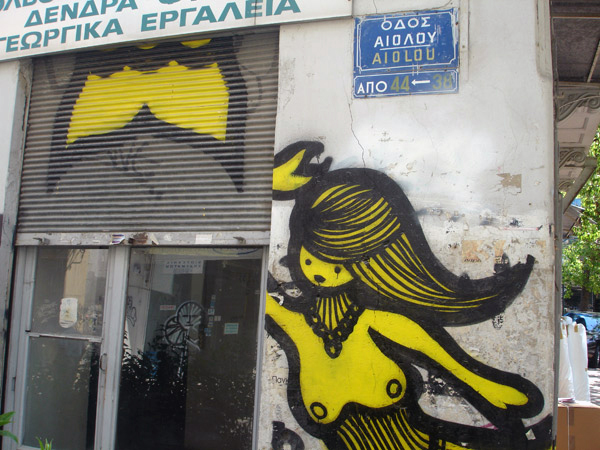
Street Art, Athens Greece 2007
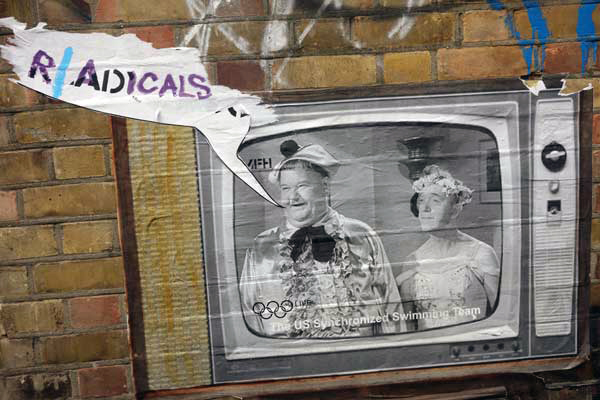
Street Art, Whitechapel 2012
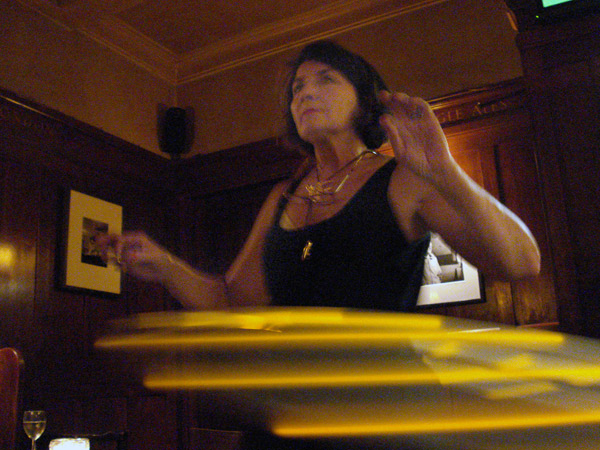
Sandra with her Hula Hoop in the Golden Heart. London 2005
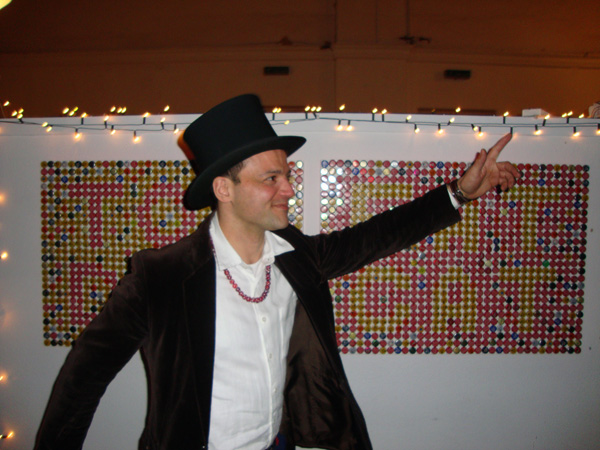
Artist Robson Cezar with his hat 2011
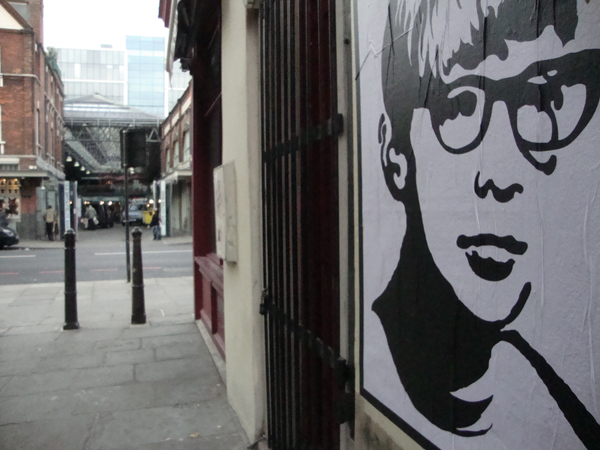
Cartoon on wall, Puma Court. Spitalfields, London 2011
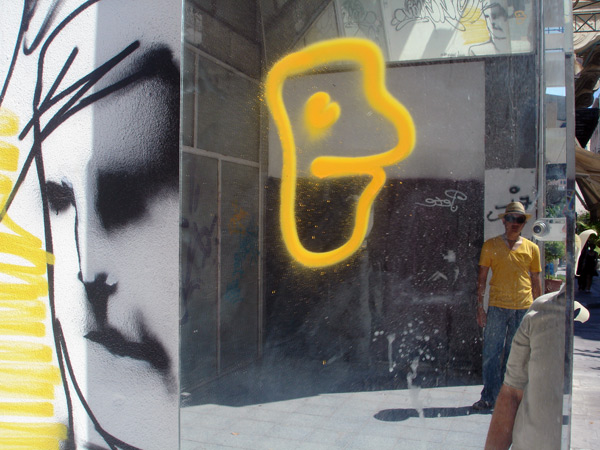
Street art on empty Greek shops in Athens 2005
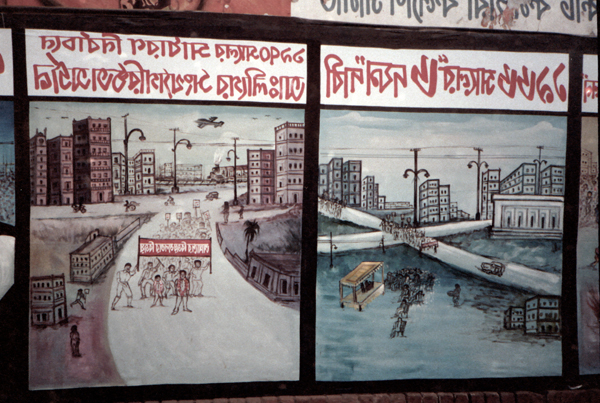
Political street art. Bangladesh 1998
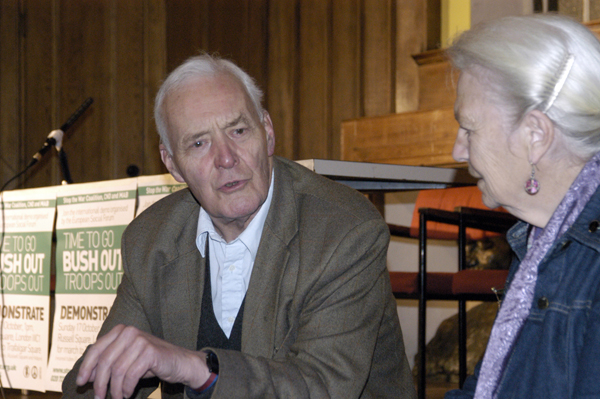
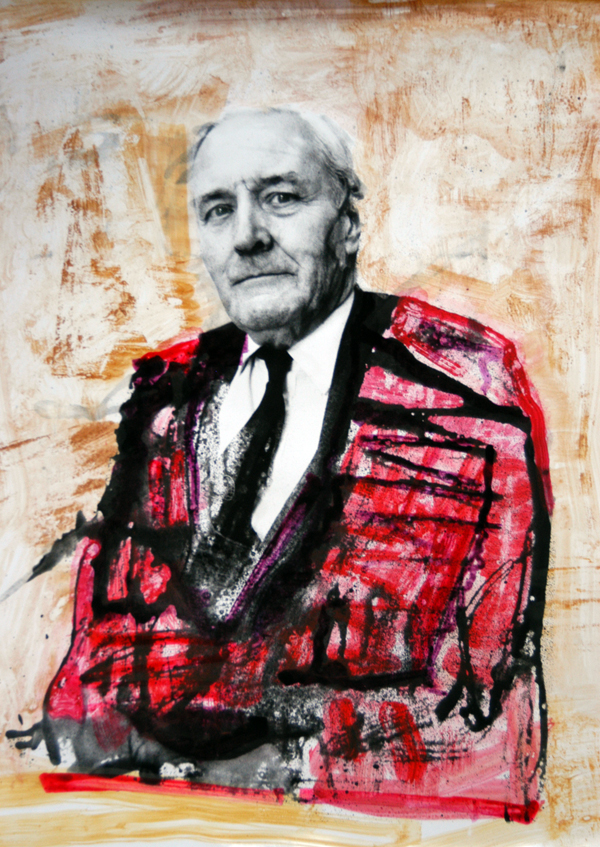
Tony Benn shortly before the start of a Stop the War meeting at QMW college in 2002.

Single dose, St. Bartholomews Hospital, London 2010
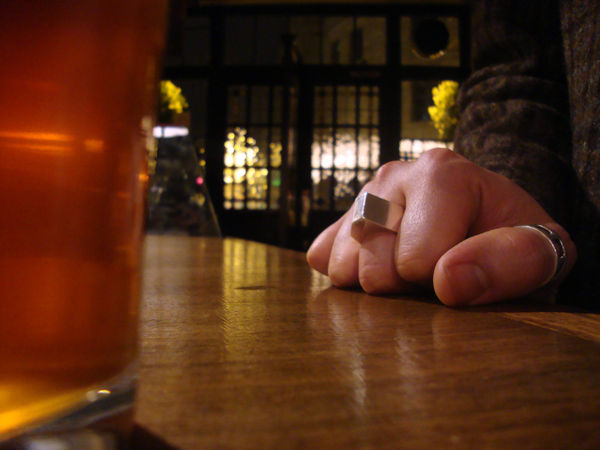
The Golden Heart pub, London 2008
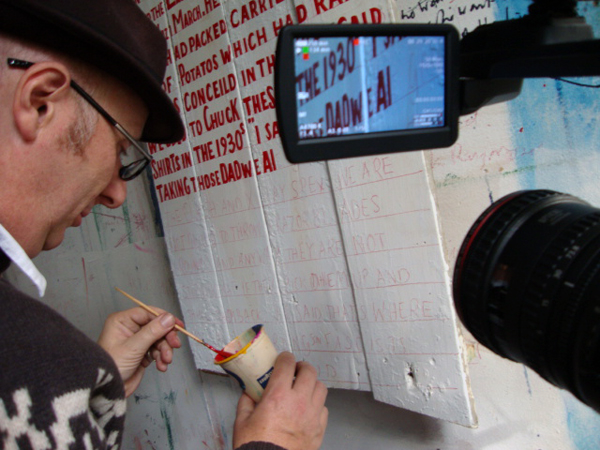
Artist Bob & Roberta Smith working on a piece of work during the making of the film ‘Not In Our Name’
Art
Here is some art.
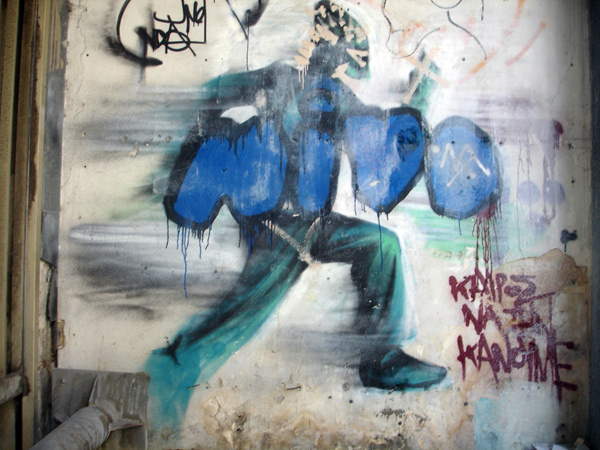
Street Art, Greece 2007
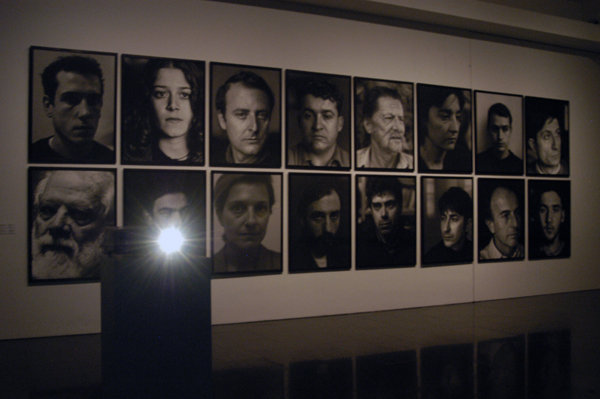
Barcelona Museum Of Contemporary Art 2005
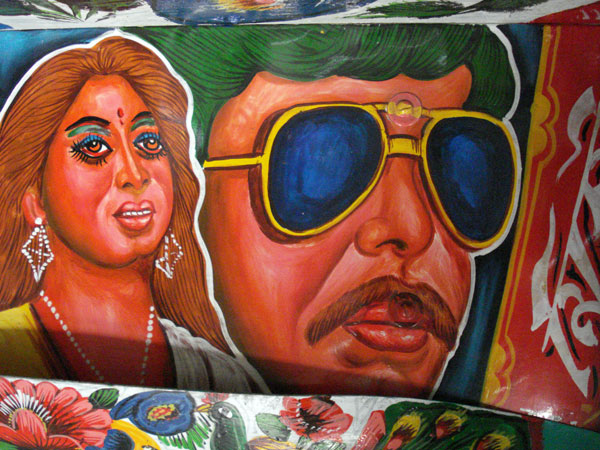
Rickshaw art Dhaka, Bangladesh 2009
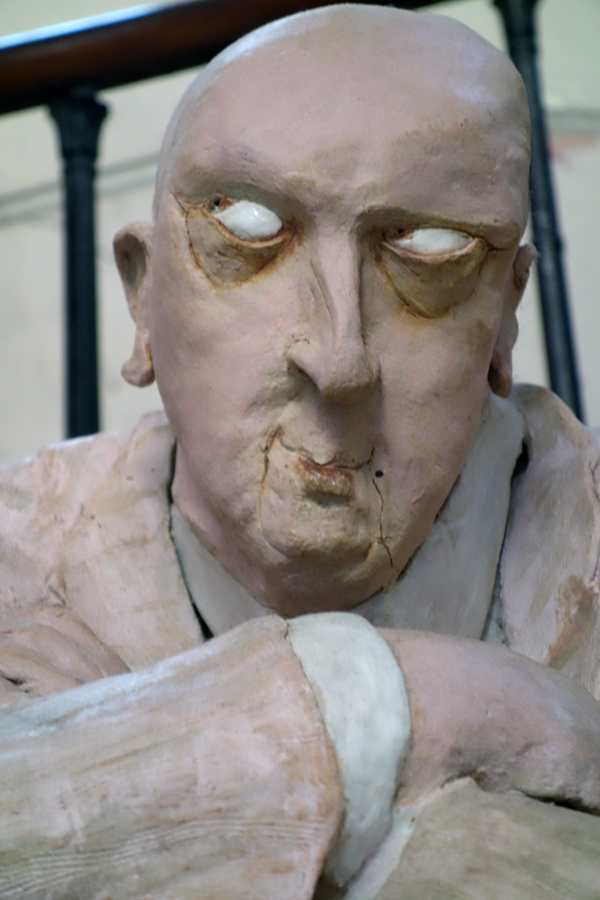
Sculpture by artist May Ayres St John Church, Bethnal Green 2016
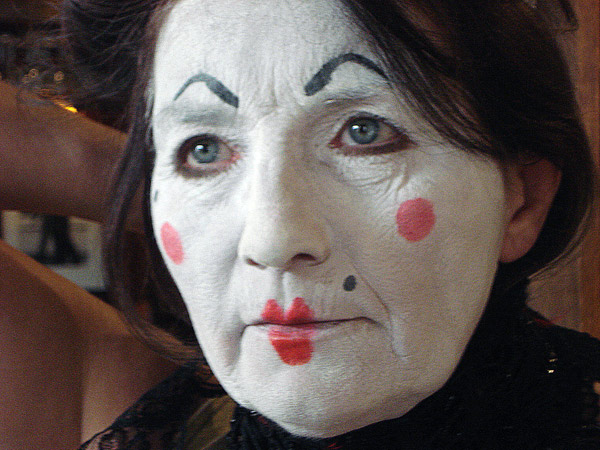
Sandra at the Golden Heart Pub, Spitalfields 2006
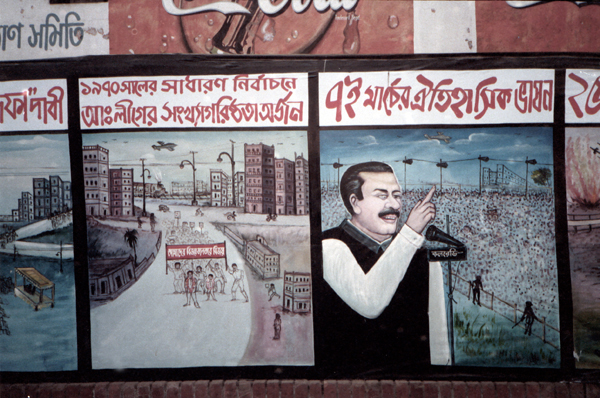
Political Street Art, Dhaka Bangladesh 1992
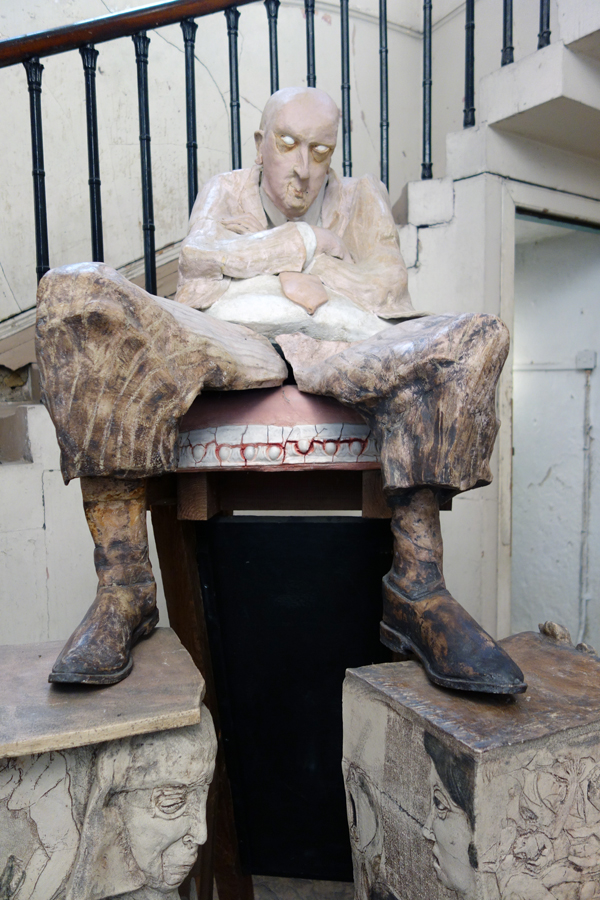
Sculpture by artist May Ayres St John Church Bethnal Green 2016
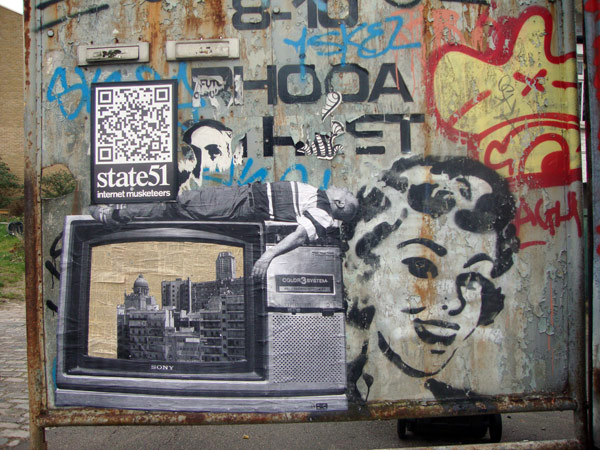
Street art, Whitechapel 2013
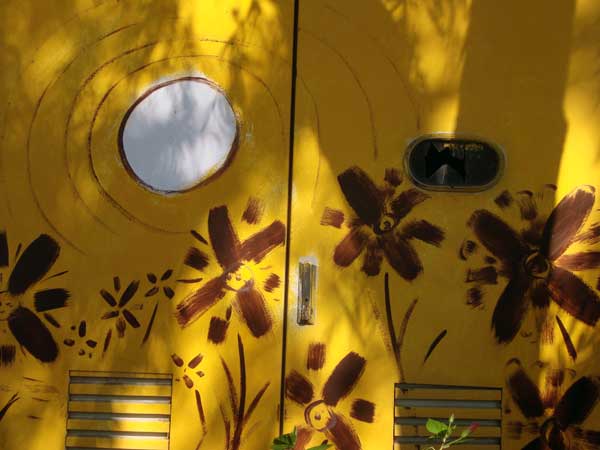
Street Art, Bodrum, Turkey 2010
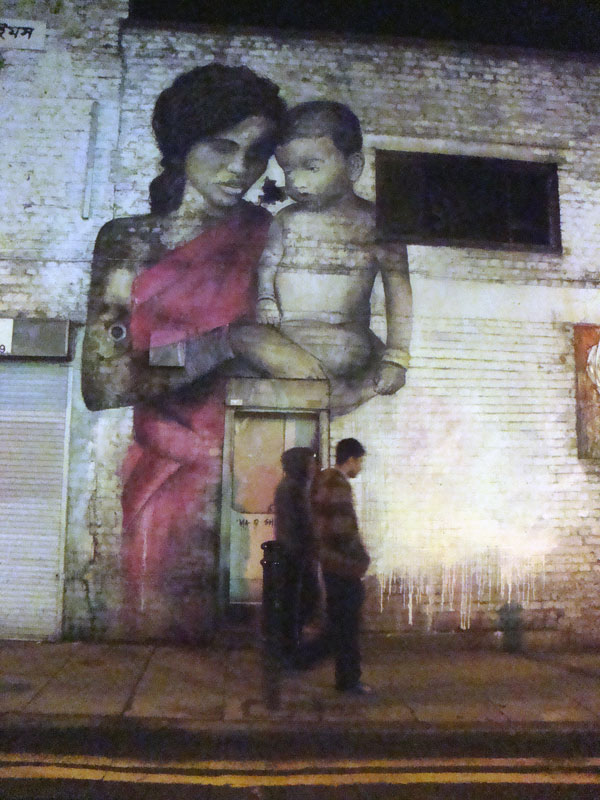
Street Art with passer by, Hanbury Street, East london 2012
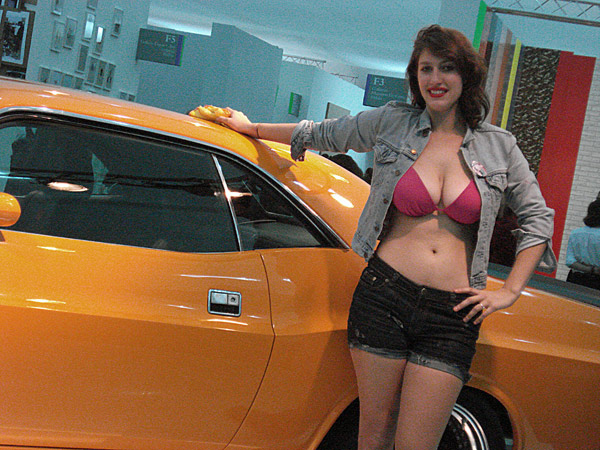
Frieze Art Fair 2007
Portrait Variations
Here are variations on the theme of ‘portraits’.

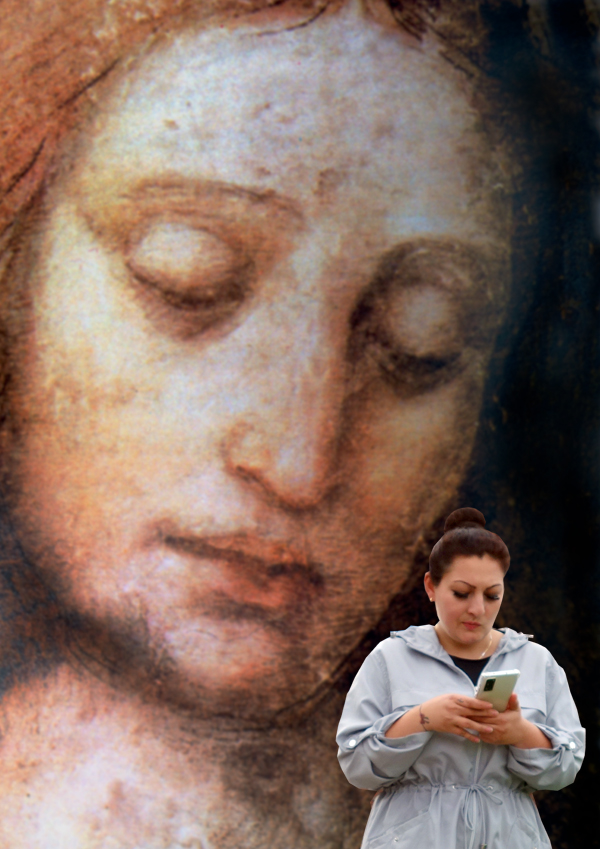
Wall portrait with pedestrian, off Brick Lane 2012

Portrait of Max Levitas, Whitechapel, London 2010

Street Art portrait, Whitechapel London 2012

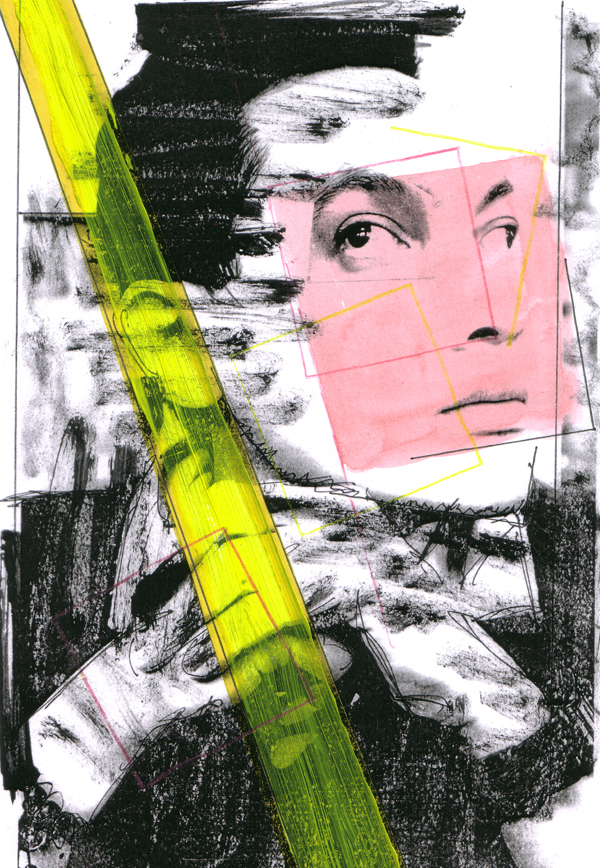
Portrait photograph & Barcelona. Collage with ink & Acrylic paint 2016
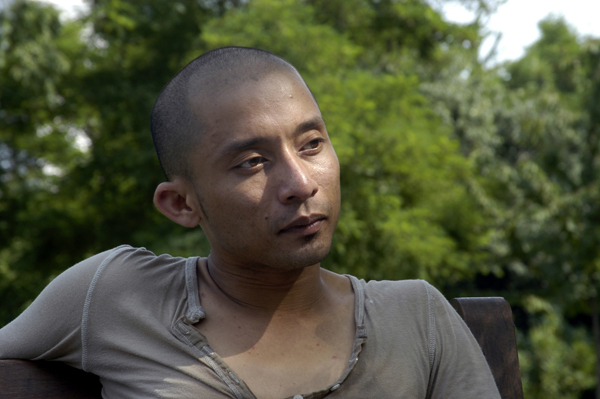
Portrait of the dancer Mavin Khoo. Venice 2006
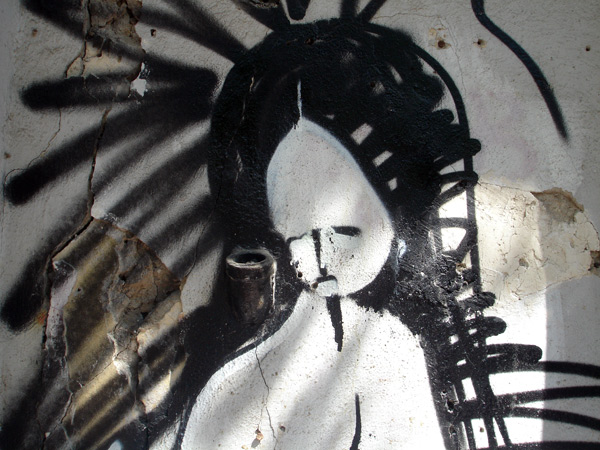
Portrait on empty commercial premises, Athens 2005

Celebrity rickshaw portraits, Bangladesh 2009

Portrait of Hazuan Hashim by candle light, 2010

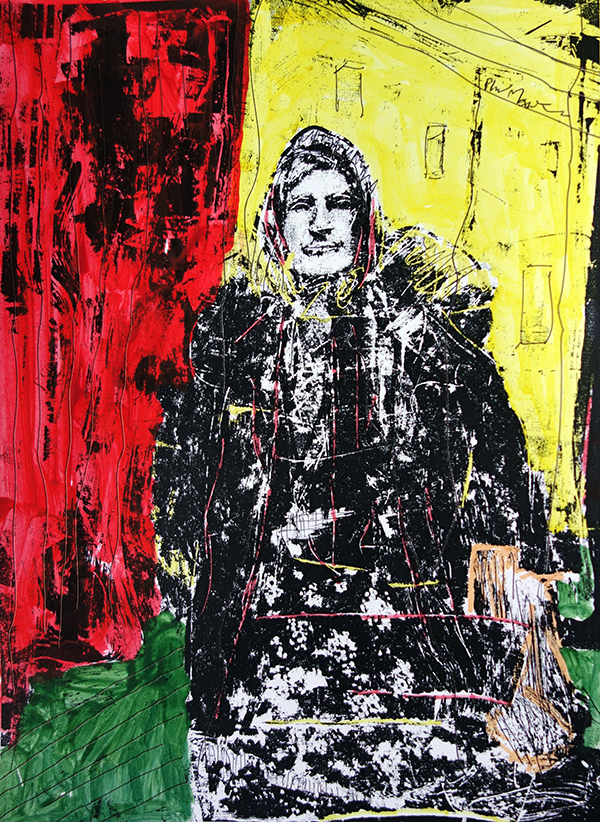
Portrait of a lady, Whitechapel early 1980s

Portrait of a centenerian woman, Sylhet, Bangladesh 1992