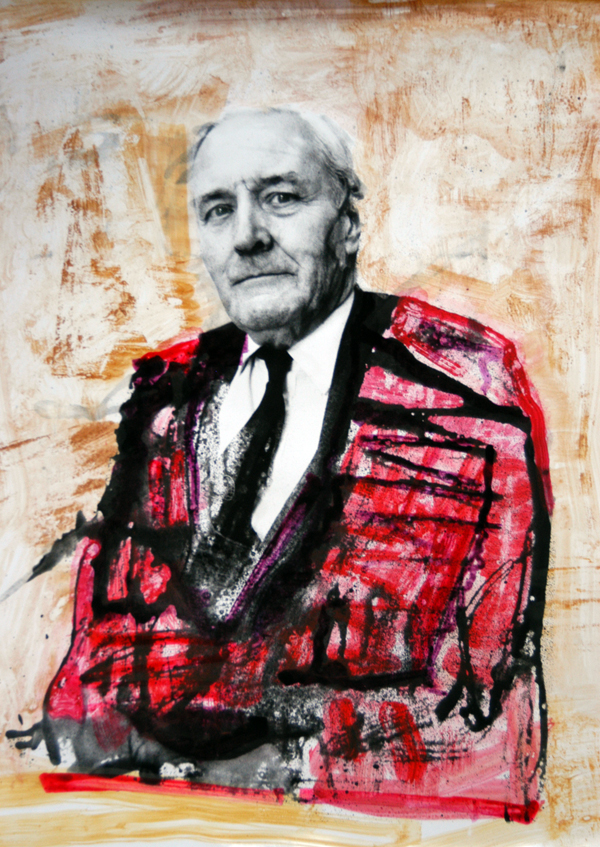
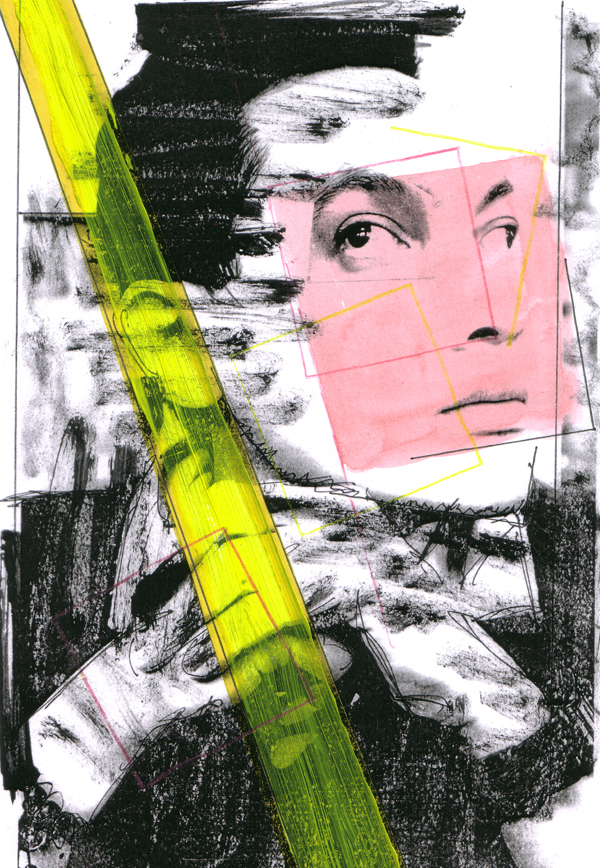
Harvey Gould’s Soho
In 2014 I made a film with Hazuan Hashim of an extraordinary Londoner called Harvey Gould. Here are some stills I took during the production of the film. Harvey was a marvellous subject; wonderfully animated, he lit up the screen.

Harvey during his first interview for the film, 2014

Harvey being filmed by Hazuan Hashim at the entrance to a Soho newsagents.

Harvey in Soho
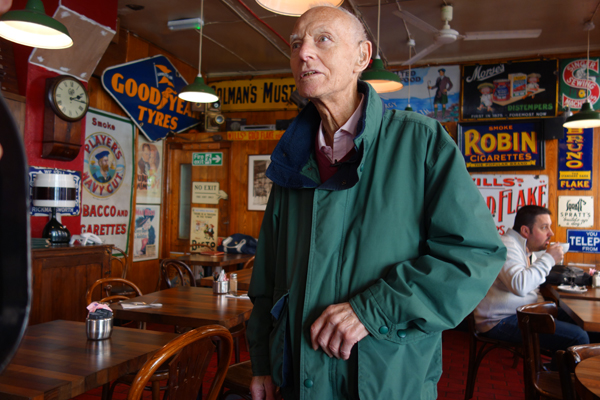
Harvey – in a cafe – on camera in Soho
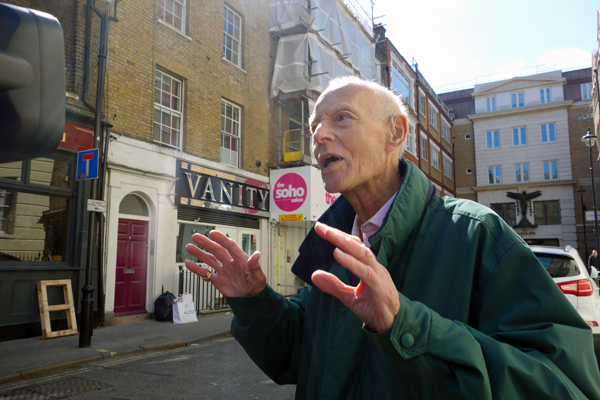
Harvey – effusive – on camera in Soho

Harvey in Soho 2014

Harvey in Soho 2014

Harvey in Soho 2014

Harvey in Soho 2014

Harvey in Soho 2014

Harvey in Soho 2014
You can watch the film here:
Market Forces
All markets depend on Labour. I’ve always been impressed and amazed at the daily cycle of labour required to operate a street market. Each day the shop has to be unloaded, moved to a stall, laid out and moved back to storage. This is one of favourite Blogs from 2011. I’m pleased to publish it again with some additional photographs.

Man moving a market stall, Whitechapel 2008
Before any stall can be arranged on Whitechapel market the stall itself has to be moved into place from its over night resting place in a side street off the main road.

Young man moving goods near Time Square, New York 2005
I have no idea what the young man (above) is pushing with his trolley or if the goods are destined for a street market. Nevertheless a good deal of skill and strength is needed to weave the goods between pedestrians. He achieves this unnoticed by everyone else. It is thanks to the daily efforts of people like himself that a city such as New York ticks on with an apparent effortless ease; the City depends on an army of poorly paid workers working long hours.

Man moving goods in Chittagong railway station, 2008
The assorted blankets and cloths have come from trains arriving at the Chittagong railway terminal in Bangladesh. Once cleaned they will probably be returned to new journeys around Bangladesh or into India. Without the strength of the barefooted man (above) for this short journey they would be going nowhere.
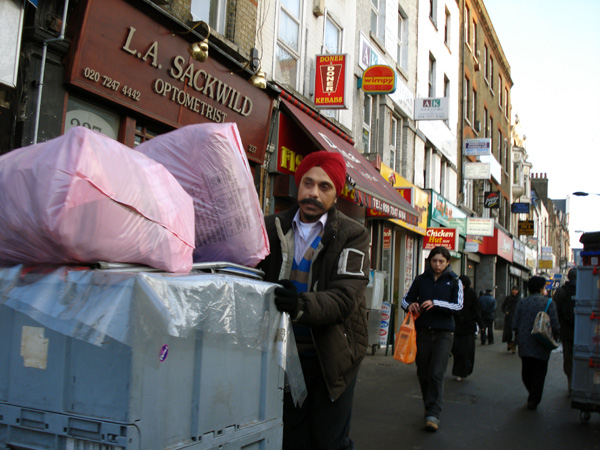
Market trader pushing goods to his stall, Whitechapel market 2007
Although the majority of stalls are set out early in the morning goods can be seen moving at any time in Whitechapel market. Traders will shout ahead to warn pedestrians of their approach. As I have been known to ‘day dream’ whilst walking through the market I’ve grown to appreciate the cry of ‘mind your backs’.
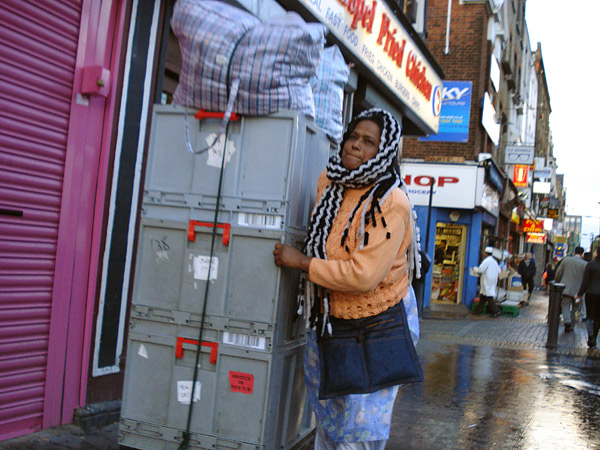
Market trader pushing goods on Whitechapel market, 2007
This market trader (above) combines strength and balance to move her stock down Whitechapel Road. The bag around her waist is her bank, money float and office.

Rickshaw driver transporting a fence in Chittagong, 2008
Rickshaws are not just for the movement of passengers. They are also the carriers of a multitude of items which at first you might think were unlikely candidates for a rickshaw ride. The driver is looking through the fence resting on his head and the top of the rickshaw in order to navigate his journey. Rickshaw drivers exude inventiveness when it comes to moving almost anything on their machines.

Spitalfields market trader pushing goods under the the gaze of Christchurch Spitalfields, 1990
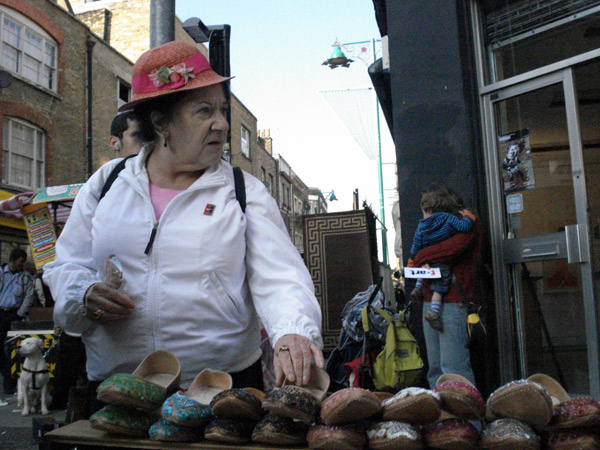
A woman selling shoes. Brick Lane Market 2006

Sclater Street market c.1987

Sclater Street Market 2012
When People Read Newspapers
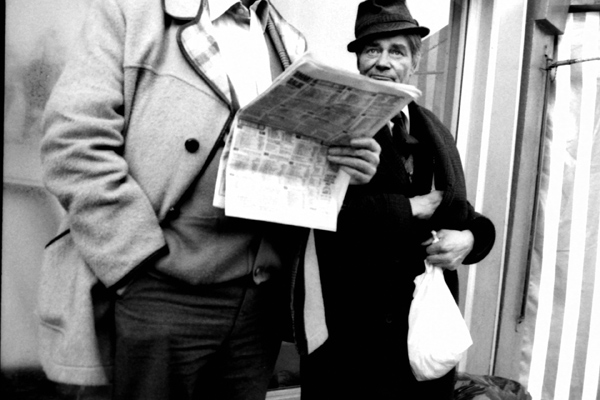
Two men outside a betting shop, Whitechapel 1986
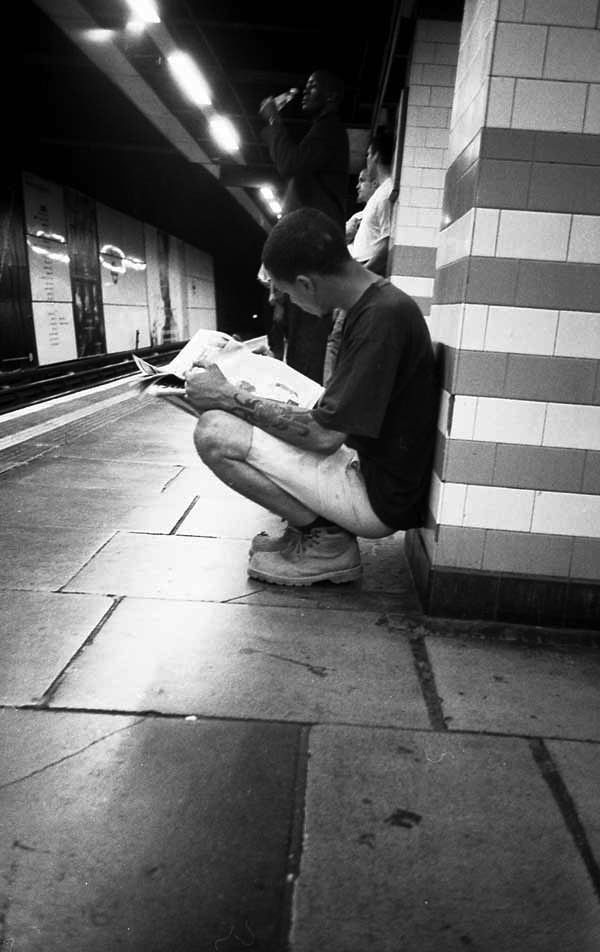
Reading a newspaper. Mile End underground, London c. 2000

Man reading a paper on Whitechapel Road, 1984

Reading a daily newspaper in Dhaka. Bangladesh 1991
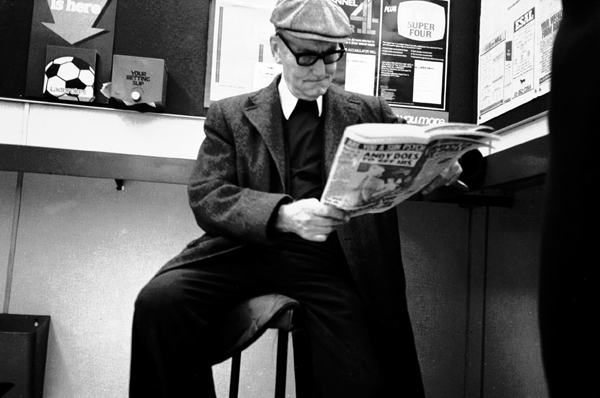
Man in Whitechapel betting shop, 1984
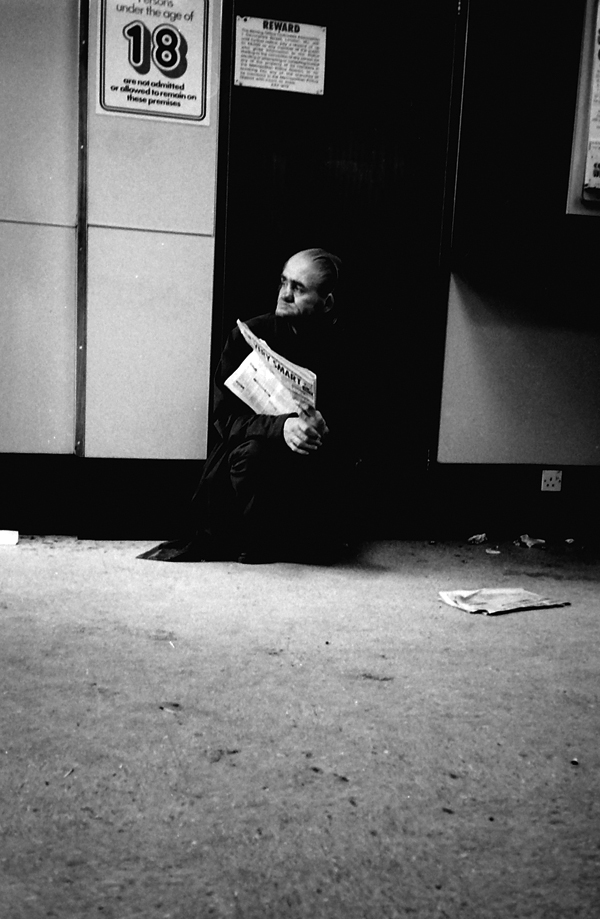
Man with newspaper. Betting shop, Whitechapel Road, London 1983

Reading the news. Sclater Street, East London 1985
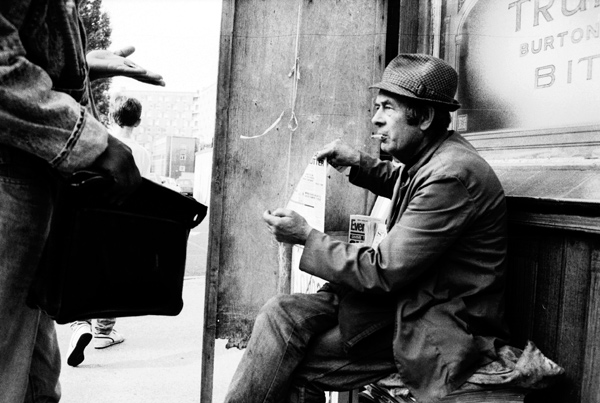
Newspaper seller, Birdcage pub Columbia Rd East London 1987

Man reading a paper, Bishopsgate goods yard 1999

A man has a cup of tea and read in a Whitechapel cafe. London 1988 (Bishopsgate Collection)
The Glory Of Trees
No matter how tall, majestic and strident they may be, soaring buildings are still eclipsed by the random etchings of tree branches. It just takes one tree to challenge the angular voice of city buildings.

Tree branches New York City, 2005
Trees that survive the clinical aspirations of planners still manage to assert authority. They remind us that the vanity of metropolitan architecture is peripheral compared to the seasonal voices of trees.

Tree branches New York City, 2005
It is impossible for sleek lines, marble and economy of design to challenge the arbitrary signals of a tree.

A tree in Mile End Park in East London, 2007

Wavertree Park Liverpool 2016

Mile End Cemetry, East London 2006

Shropshire 2016

Winter Trees. Spitalfields 2010
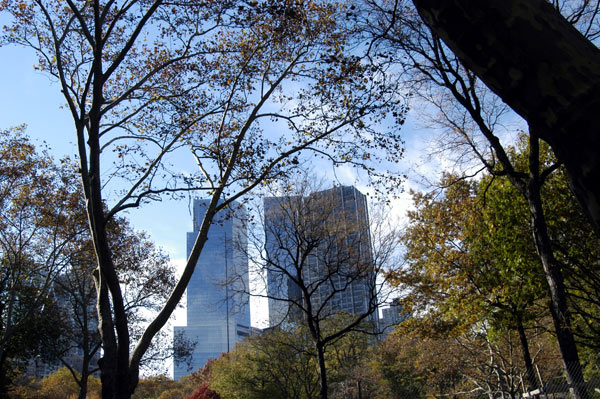
Trees in Central Park. New York 2005

Trees with people in a village outside Dhaka. Bangladesh 1996

Melaka, Malaysia 2015
Melaka, Malaysia

East London trees, 1990s

Trees along the river bank, Bangladesh 1994
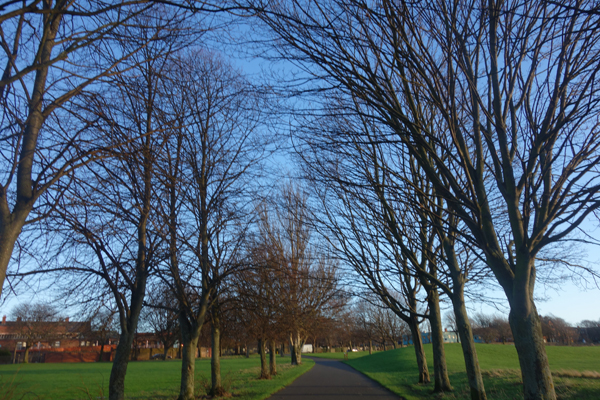
Wavertree Park Liverpool 2016
Pensioners Fight To Save The Liverpool Women’s Hospital!
The Merseyside Pensioners Association (MPA) meets every Wednesday at Jack Jones House in Liverpool. They discuss issues relating to pensioners and everyone in society. They are at the forefront of campaigning for justice for pensioners and regularly engage in action to support different campaigns. Here they are supporting the fight to keep open the Liverpool Women’s hospital. The MPA is the antithesis of the stereotypes of pensioners the media likes to portray.

Pensioners campaigning to save Liverpool Women’s Hospital

Pensioners campaigning to save Liverpool Women’s Hospital

Pensioners campaigning to save Liverpool Women’s Hospital

Pensioners campaigning to save Liverpool Women’s Hospital

Pensioners campaigning to save Liverpool Women’s Hospital

Pensioners campaigning to save Liverpool Women’s Hospital

Pensioners campaigning to save Liverpool Women’s

Pensioners campaigning to save Liverpool Women’s Hospital

Pensioners campaigning to save Liverpool Women’s Hospital

Pensioners campaigning to save Liverpool Women’s Hospital

Pensioners campaigning to save Liverpool Women’s Hospital

Pensioners campaigning to save Liverpool Women’s Hospital

Pensioners campaigning to save Liverpool Women’s Hospital
You may also be interested in:
Save Liverpool Women’s Hospital!