A Window On The World
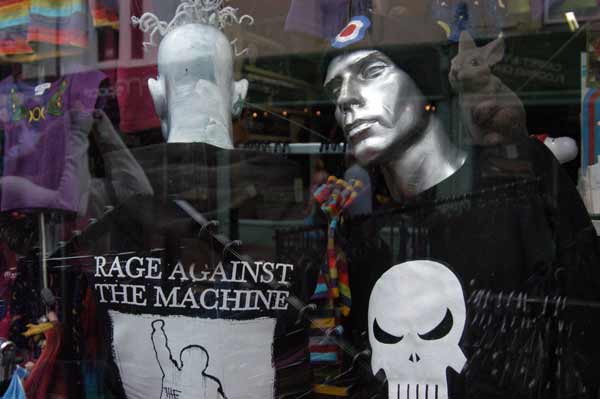
A shop window in Brighton 2007
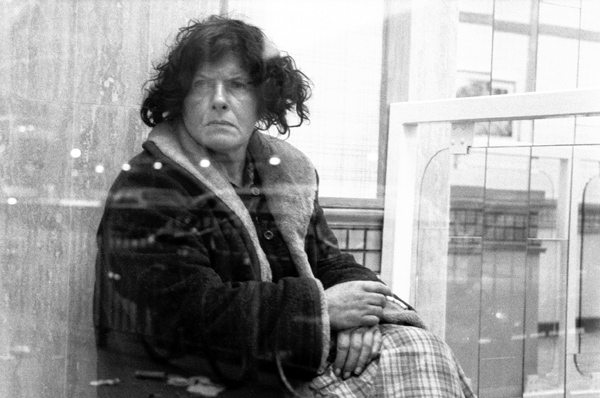
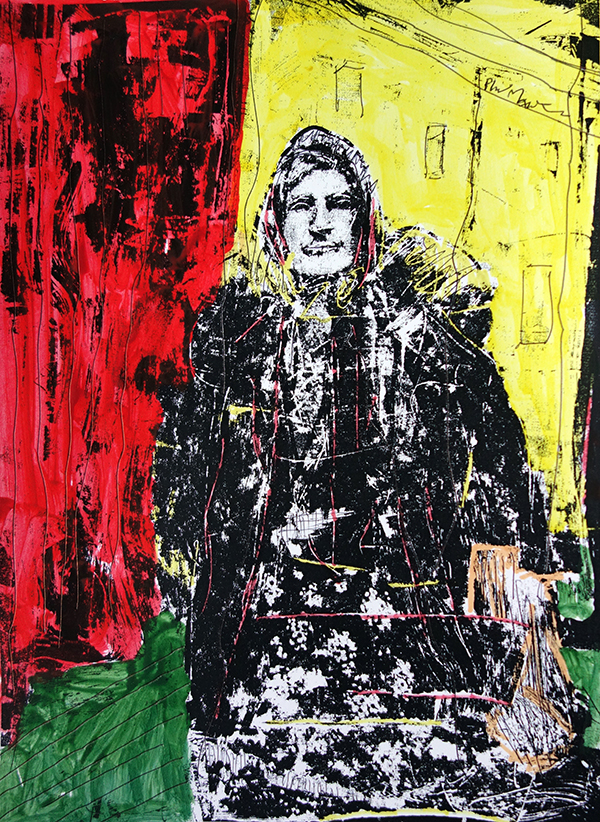
Portrait of a lady through a window. Bishopsgate 1989

Hands in a shop window, Brick Lane 1998
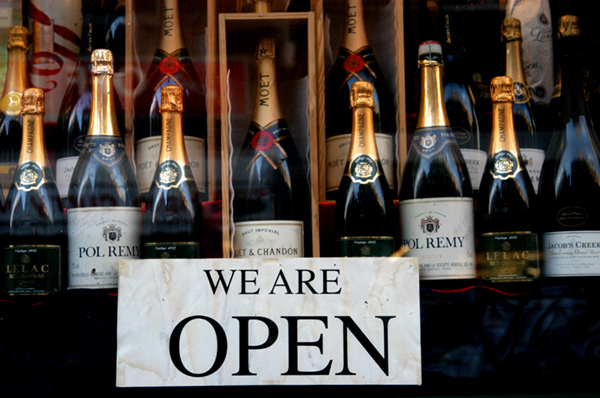
Brick Lane off license window, 2002
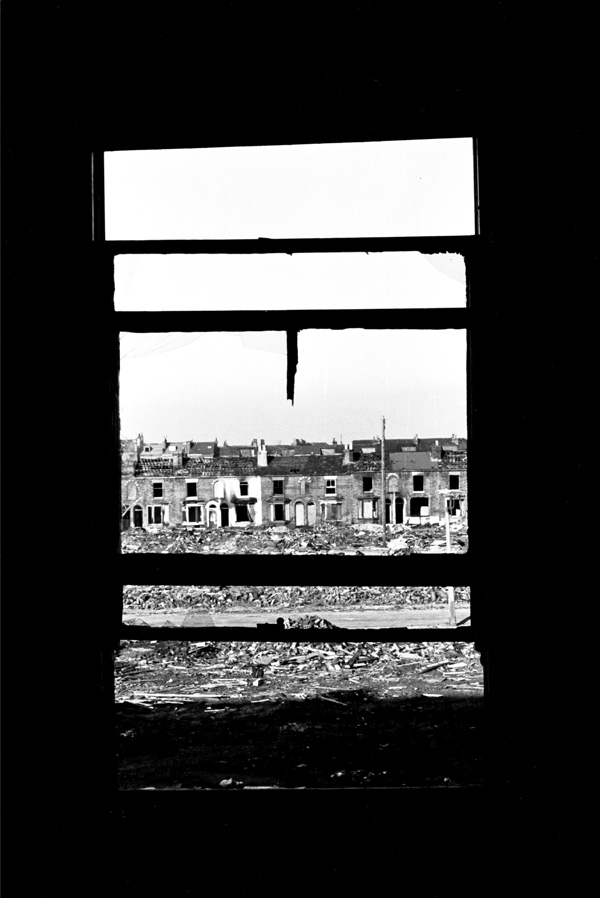
An empty street inner city Liverpool, 1981
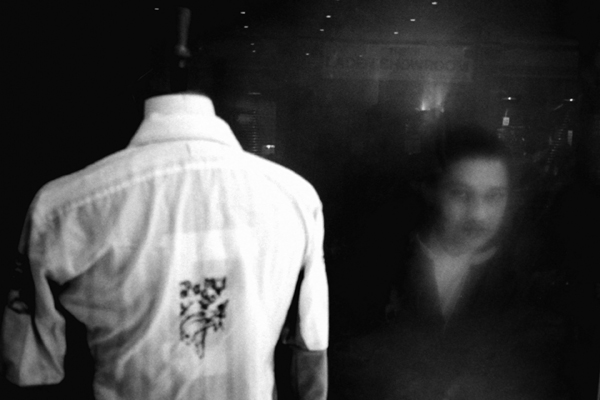
Brick Lane shop window, 1998
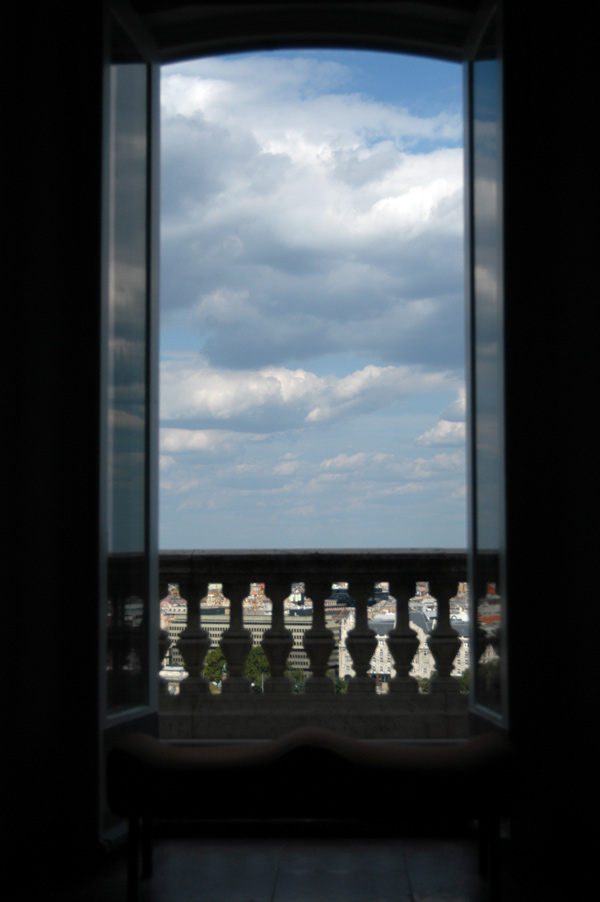
Window of the national art gallery Budapest, 2002

Window in the Old China Cafe, Kuala Lumpur 2004

Window, Kyparissi, Greece 2000

Window reflections, Lille 2005
St Bartholomew’s Hospital 2010
Save Liverpool Women’s Hospital!
Last month thousands marched through Liverpool in opposition to the proposed closure of Liverpool Women’s Hospital. It is one of only two women’s hospitals in England, and is the largest maternity hospital in Europe. The acute crisis in NHS funding is the real reason for the proposed closure. It is yet another move to dismantle and privatise essential NHS services. Since the march the campaign to save the hospital has accelerated and over 40,000 people have signed the petition to save it (see below to sign the petition).


You can sign the petition here: Save The Women’s Hospital.
You may also be interested in:
The Face Of Chittagong, Bangladesh

Fisherman in Chittagong, 2008

Chittagong, Bangladesh 2008

Fisherman in Chittagong, 2008

Cinema posters, Chittagong 2008

Fisherman in Chittagong, 2008

Chittagong, Bangladesh 2008

Fisherman in Chittagong, 2008

Boy carrying box, Chittagong 2008

Man in Chittagong, Bangladesh 2008
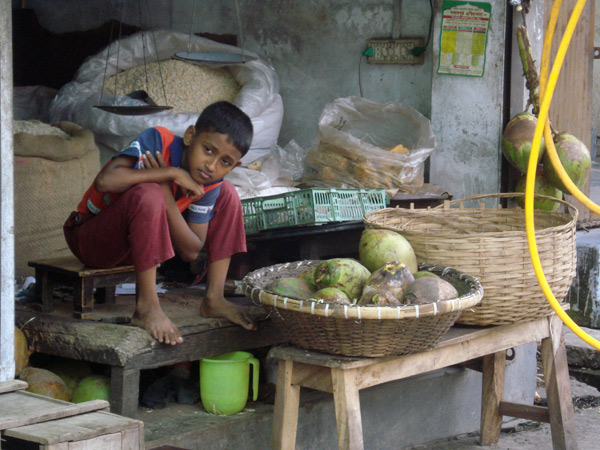
Boy looking after vegetable stall, Chittagong 2008

Chittagong railway children, 2008
Cars Are Everywhere

Car in a glass case, Canary Wharf 1990s
This car, protected by a glass case, seems to represent the way cars dominate the world. Positioned at the base of Canary Wharf it appears to be canonized by capitalism. The glass case exults the car and deflects any criticism. Cars pollute the air, water and land. The car in a glass case is presented as a sacred artefact which we should all respect and aspire to own.

Car advertisement, Whitechapel Road 2008
If we commit the heresy of ignoring the car then we are constantly reminded of its mechanical omnipresence. We won’t be told that most ozone pollution is caused by cars and lorries.

Car on Brick Lane 2002

Car in Dhaka Bangladesh 2009

Abandoned & burnt out car, Spitalfields 1997
Every day about 3,000 people die and 30,000 people are seriously injured on the world’s roads in traffic crashes. Most of the victims will never own a car, and many are children.

Car in Budapest, 2003

Abandoned & burnt out car, Spitalfields 1997

Baby taxi in traffic jam, Dhaka 2009

Traffic jam in Kuala Lumpur, 2008
Street Talk
The street is a perfect place for private conversation. No one else will hear the exchange so it is possible to discuss issues that might be avoided in a house where voices can be overheard. All the conversations photographed here would be spontaneous. They have started because of a chance encounter on the street.

Two men in conversation. Junction of Whitechapel and Vallance Roads, 1988
I used a roll of film to photograph these two gentlemen (above). The 36 images will at some point be put into a sequence and used in a film. This was the final frame. Previously they were standing where I took this shot from and they are standing where I shot most of the film. They were so pleased to see each other and engrossed in conversation that they were oblivious to everything around them. Black and white images were edited together for the experimental film ‘East End 1‘ with music by Lola Perrin. Many of the images used were taken in the 1980s. Digital photography has enabled me to experiment more but the rules are just the same. With film I think you consciously take more notice of light and speed and aperture settings. As imaging was never instant you had to take more notice of the lighting environment you were working in. I think using film, processing it and printing in a darkroom is the best way to learn photography. The whole process facilitates an intimate understanding of exposure and technique.

Men in conversation in Old Town Marrakech, 2006
Just like the men in Whitechapel these two men (above) are engrossed in their conversational encounter. The public space of a street is paradoxically probably the most private for conversation.

Two ladies having a conversation on a market stall. Middlesex Street 1986

Conversation outside a cafe, Brick Lane, London 2012

Whitechapel Market 2014

Street conversation, New York 2005

Conversation, Brick Lane 1988

Conversation by Bishopsgate Goods Yard, 2007
In all of these images there are many similarities. For me the most obvious is the way hands orchestrate and underpin the conversation.

Conversation, Hanbury Street 1991

Conversation. Brick Lane, London 2012