Justice For The Miners!
The Orgreave Truth and Justice Campaign includes ex-miners, Trades Unionists, activists and others who are determined to get justice for miners who were victims of police lies and cover ups at Orgreave in June 1984. Most of these photographs were taken during the time of the Miner’s strike.
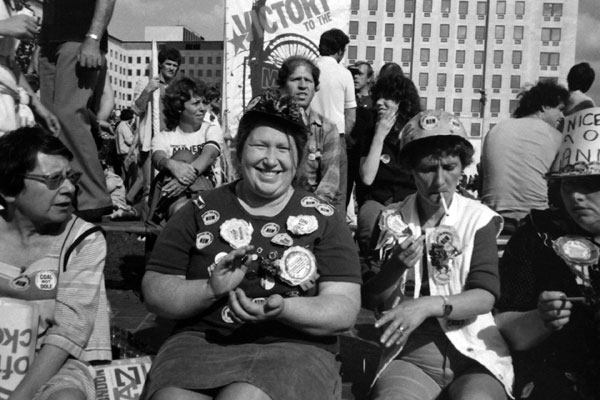
Women in support of the miners, London 1984

East London meeting in support of the miners, 1984

Striking Miner, Kiveton Park, 1984

Dog supporting the Miners on strike, 1984

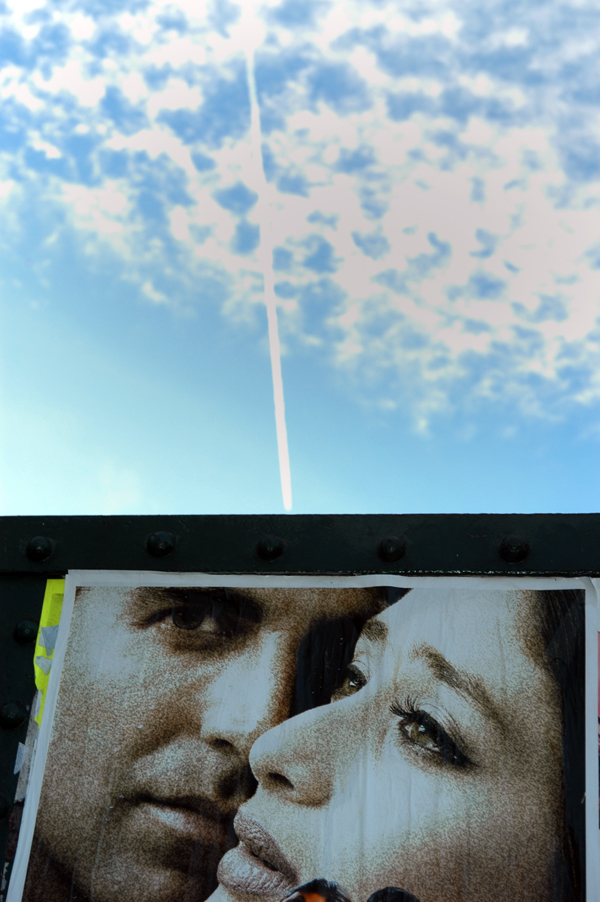
Posters supporting the miners. Brick Lane Bridge 1984

Striking Miner, Kiveton Park, 1984

Collecting food and money for the miners in East London 1984
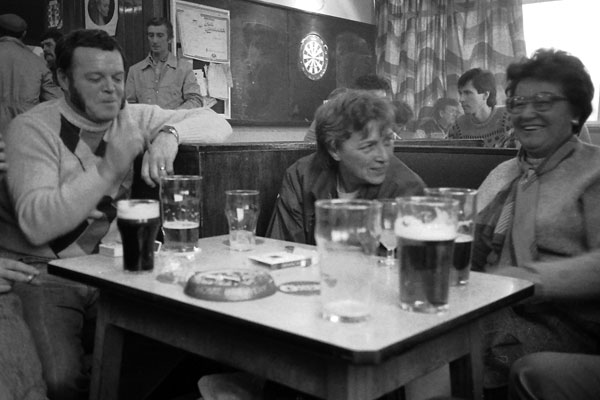
Inside a pub in Kiveton Park (during the miner’s strike), 1984
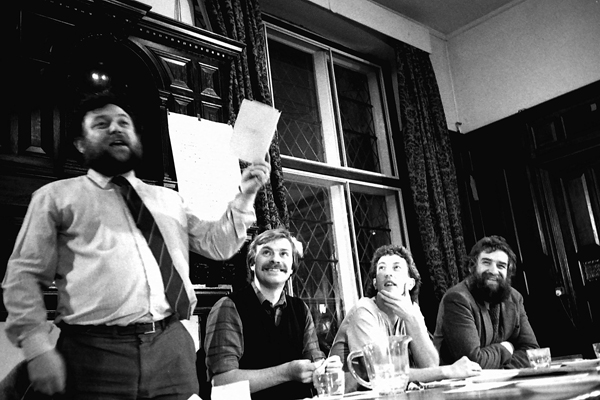
Support the miners meeting at Toynbee Hall, East London 1984
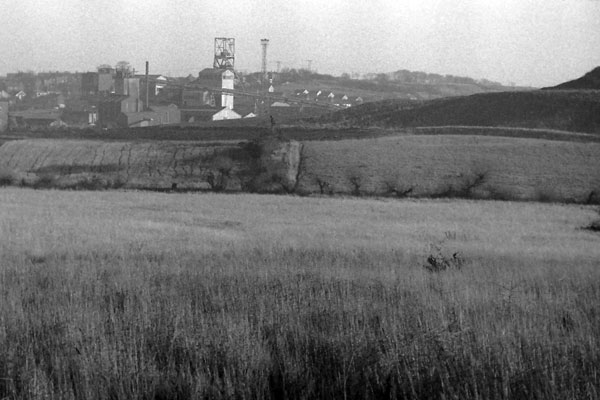
Kiveton Park (on Strike), 1984

Collecting food and money for the miners in East London 1984

Niel Kinnock – he failed to support the miners. London 1992
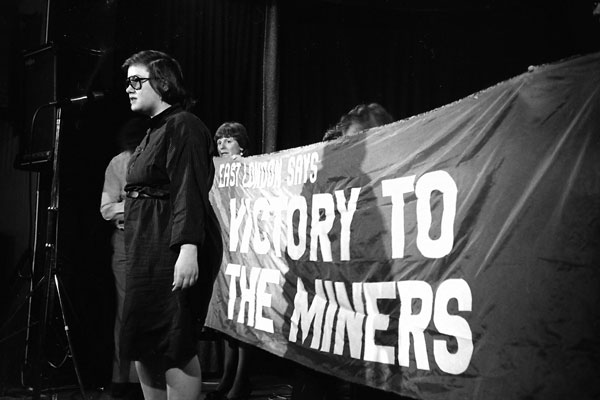
East London women in support of the miners, Kent 1984
You may also be interested in the following films supporting Jeremy Corbyn:
Tonight in Liverpool there will be a free screening of the anti-war film ‘Not In Our Name’ featuring veteran anti war campaigner Tony Benn and peace campaigners from around the world. ‘Not In Our Name’ opens up a rich visual landscape to explore the folly of war. Six years in the making Directors Hazuan Hashim and Phil Maxwell wanted to take the anti-war message to a wider audience through an examination of the work of a diverse range of artists against the war. The film includes footage from around the world, including Iraq and the USA. The screening will be followed by a Q & A with the Directors chaired by Audrey White, a founder member of the Merseyside Anti-war movement.
Not in Our Name is part of The World Transformed Festival Programme. http://
Protest For Change
Nothing changes unless we fight for it.

‘Tory cuts medicine’, TUC March London 2011

Protest opposite the 10th anniversary dinner of the London Docklands Development Corporation Docklands, 1991

Capitalism in Crisis protest, St Pauls Cathedral 2011.

Liverpool protest (CND). Early 1980s.

Anti-war protest 2002

Housing protest, Canary Wharf early 1990s
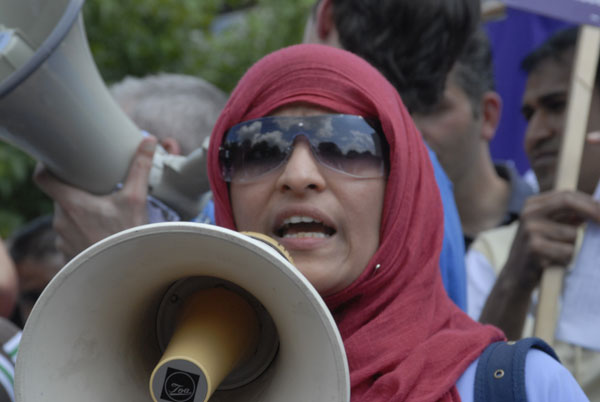
Protest against education cuts, Whitechapel 2008

Trade Union Protest outside Bethnal Green Town Hall, 1980s

Anti-war protester, London 2002

Young protestors. London 1983
You may also be interested in the following films supporting Jeremy Corbyn:
Tomorrow on Monday September 26th in Liverpool there will be a free screening of the anti-war film ‘Not In Our Name’ featuring veteran anti war campaigner Tony Benn and peace campaigners from around the world. ‘Not In Our Name’ opens up a rich visual landscape to explore the folly of war. Six years in the making Directors Hazuan Hashim and Phil Maxwell wanted to take the anti-war message to a wider audience through an examination of the work of a diverse range of artists against the war. The film includes footage from around the world, including Iraq and the USA. The screening will be followed by a Q & A with the Directors chaired by Audrey White, a founder member of the Merseyside Anti-war movement.
Not in Our Name is part of The World Transformed Festival Programme. http://
The People Behind Jeremy Corbyn
There is a mass movement of people supporting policies against austerity and injustice.

Corbyn Rally Liverpool 2016

A supporter for democracy in the Labour Party, Liverpool 2016

Corbyn Rally Liverpool 2016

Liverpool NHS Rally 2016

A supporter for democracy in the Labour Party, Liverpool 2016

Corbyn Rally Liverpool 2016

Liverpool Rally 2016

Corbyn Rally Liverpool 2016

A supporter for democracy in the Labour Party, Liverpool 2016

Royal Liverpool Hospital 2016

Corbyn supporter on the way to Church Street for a rally in support of Jeremy Corbyn. Liverpool 2016

Scousers for Corbyn

Liverpool NHS Rally 2016

Crowds in Church Street, Liverpool 2016

Corbyn Rally Liverpool 2016

Corbyn supporter in Church Street, Liverpool 2016

Jeremy Corbyn by the statue of Prince Albert shortly before he addressed the rally

What Jeremy Corbyn saw when he addressed the rally (photo Hazuan Hashim)

Corbyn supporters march to Church Street in Liverpool, 2016

Corbyn Rally Liverpool 2016

Liverpool 2016

Corbyn Rally Liverpool 2016

Corbyn supporters in Church Street Liverpool 2016

Liverpool 2016

Crowds in Church Street, Liverpool 2016

Corbyn supporter on the way to Church Street, Liverpool 2016

Liverpool Socialist Singers on the Junior Doctors picket line 2016

Crowds in Church Street, Liverpool 2016

Corbyn Rally Liverpool 2016

Corbyn Rally Liverpool 2016

Corbyn Rally Liverpool 2016

Corbyn Rally Liverpool 2016

Corbyn Rally Liverpool 2016

Crowds in Church Street, Liverpool 2016

Corbyn Rally Liverpool 2016

Corbyn Rally Liverpool 2016

Corbyn Rally Liverpool 2016

Corbyn Rally Liverpool 2016

Crowds in Church Street, Liverpool 2016

Corbyn Rally Liverpool 2016

Corbyn Rally Liverpool 2016

Corbyn Rally Liverpool 2016

Thousands march for Corbyn in Liverpool 2016
Corbyn Rally Liverpool 2016

Corbyn Rally Liverpool 2016

Corbyn Rally Liverpool 2016

Jeremy Corbyn gives a live BBC interview before the Rally in Liverpool 2016

Corbyn Rally Liverpool 2016

A supporter for democracy in the Labour Party, Liverpool 2016

Liverpool Pride 2016

A supporter for democracy in the Labour Party, Liverpool 2016

Crowds in Church Street, Liverpool 2016

Corbyn supporter, on the way to Church Street, Liverpool 2016
You may also be interested in the following films supporting Jeremy Corbyn:
On Monday 26th in Liverpool there will be a free screening of the anti-war film ‘Not In Our Name’ featuring veteran anti war campaigner Tony Benn and peace campaigners from around the world. ‘Not In Our Name’ opens up a rich visual landscape to explore the folly of war. Six years in the making Directors Hazuan Hashim and Phil Maxwell wanted to take the anti-war message to a wider audience through an examination of the work of a diverse range of artists against the war. The film includes footage from around the world, including Iraq and the USA. The screening will be followed by a Q & A with the Directors chaired by Audrey White, a founder member of the Merseyside Anti-war movement.
Not in Our Name is part of The World Transformed Festival Programme. http://
Hands Together & Apart

Hands playing the Tabla, London 2009

Hands on Petticoat lane, early 1980s

Hands on the underground in London

Richard Hickox – conductor’s hands, 1990s

Painted hands, Near Hastings 2007

Malaysian hands in Greece, 2000

Hands at the lightbox gallery. Woking 2005

Hands in the City, 2012

Shaking hands. New Road, Whitechapel London c.1985

Shaking hands. Watney Market, London 2009
The World Through A Window
Looking through windows to the world.

Hanbury Street through the window of Rossi’s Cafe. Spitalfields, London 1998
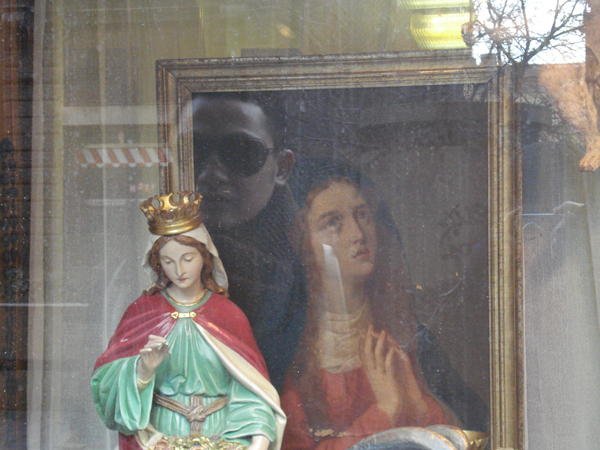
A window in Budapest 2006

Lady passes shop window with oil heater. Brick Lane, London 1982 (contact sheet)

Mannequin in shop window. Venice 2005

Shop window, Brick Lane 1998

Shop window, Brick Lane 1999
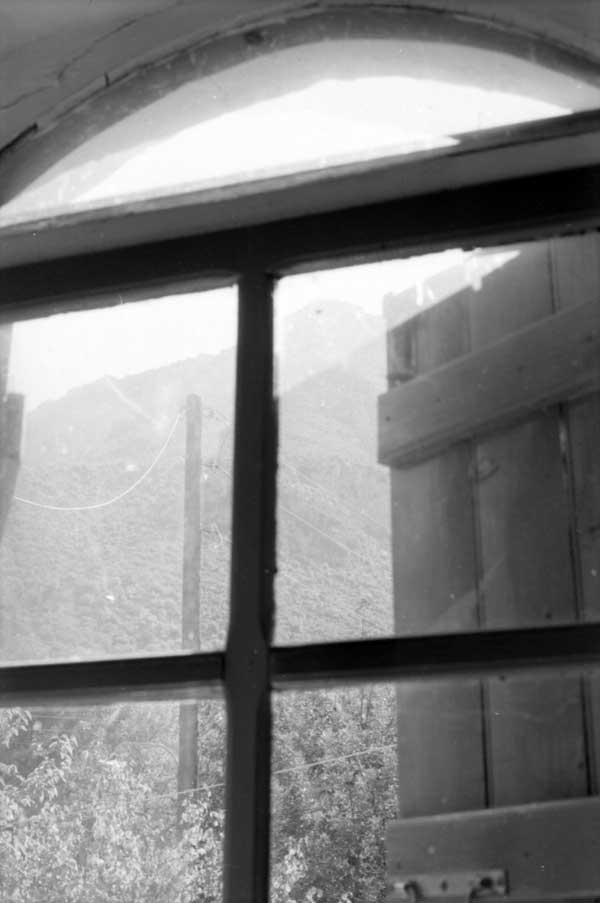
Window, Greece 2000

Window, New York 2005

A cell window, Bethnal Green Police Station. London 1985 (Bishopsgate collection)

Brick Lane window 2005