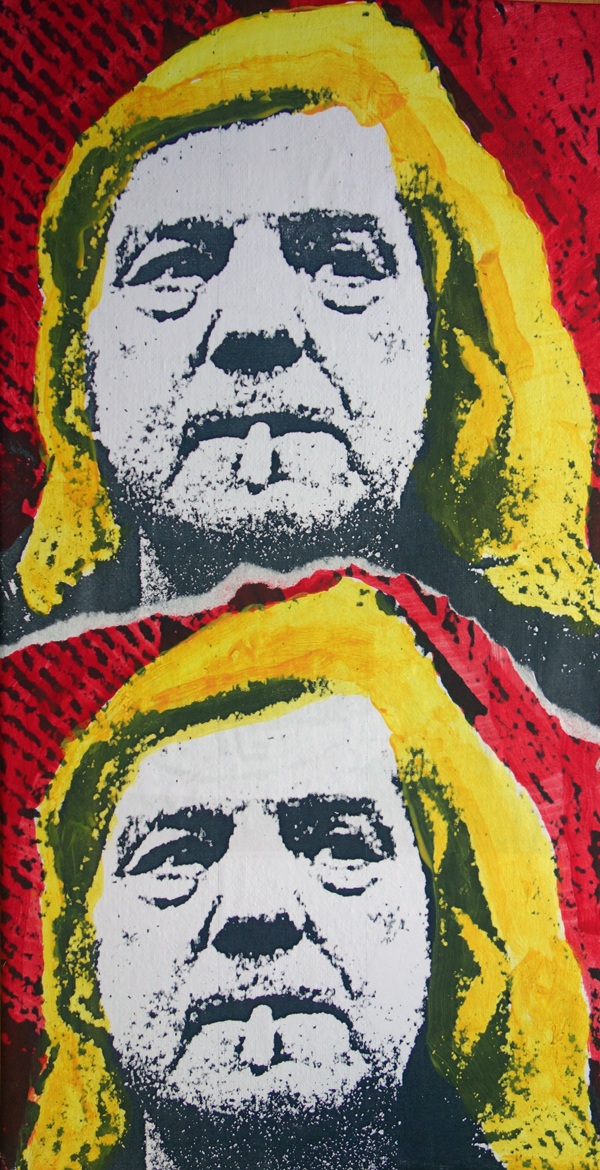
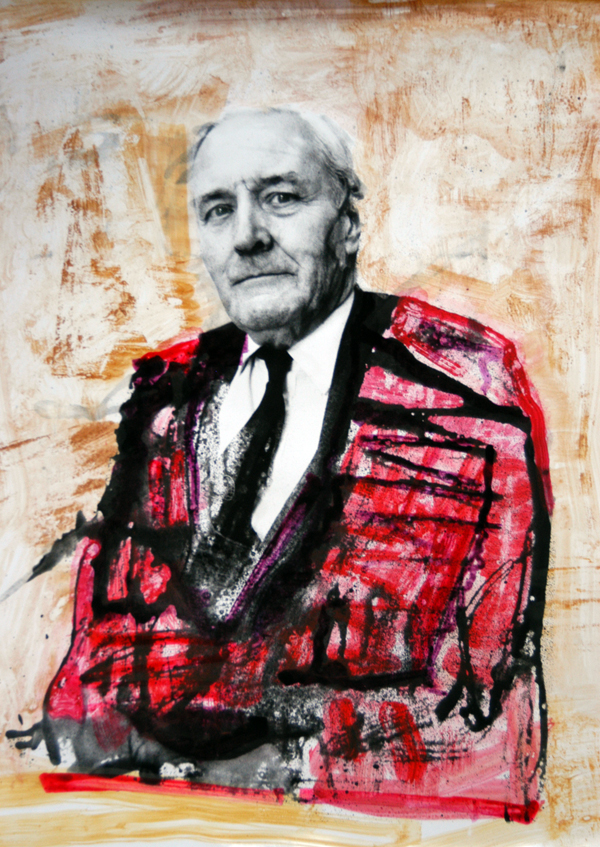
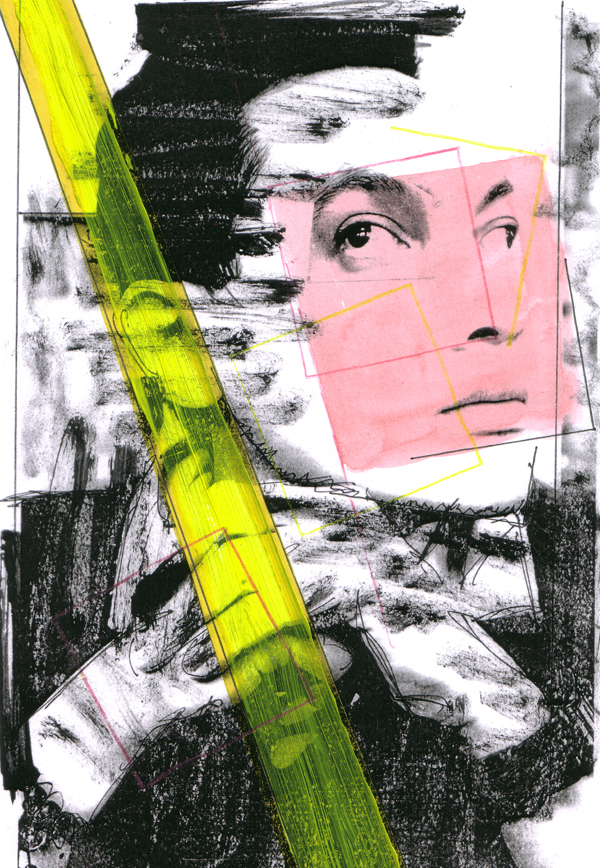
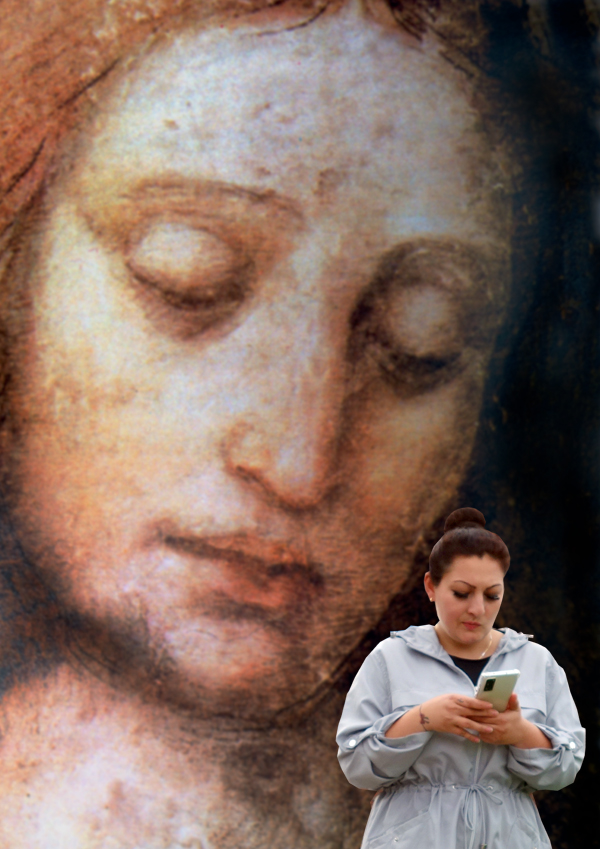
Tony Blair As Baby Jesus

Tony Blair as the baby Jesus, photomontage 2003
This is one of my favourite blogs from 2010. I am pleased to publish it again today (with a few additional photographs).
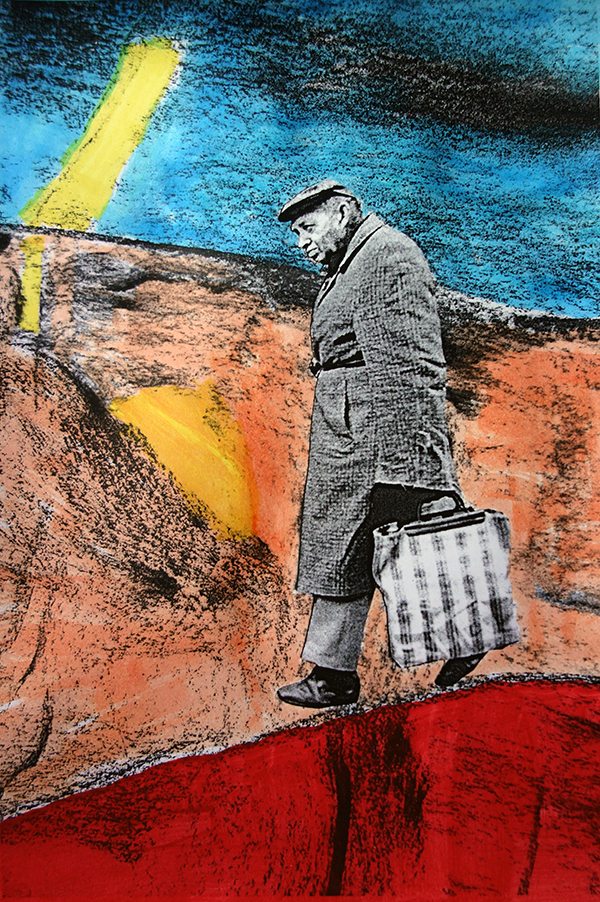
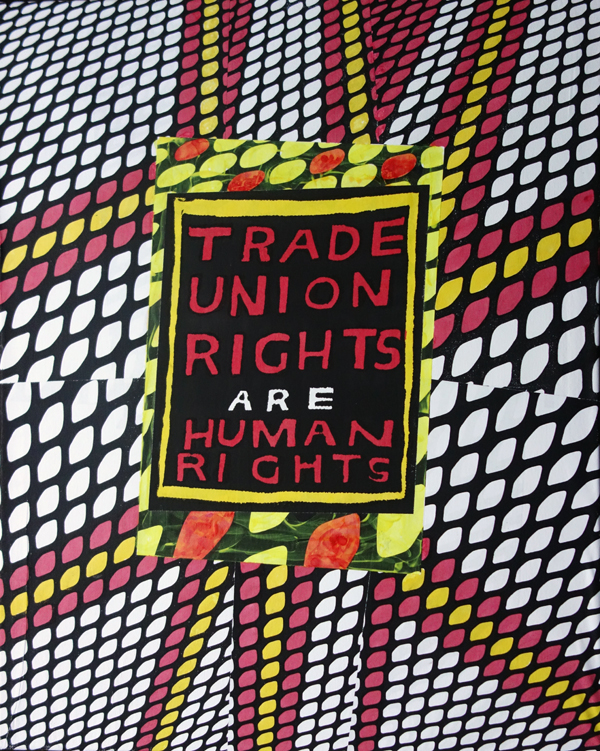
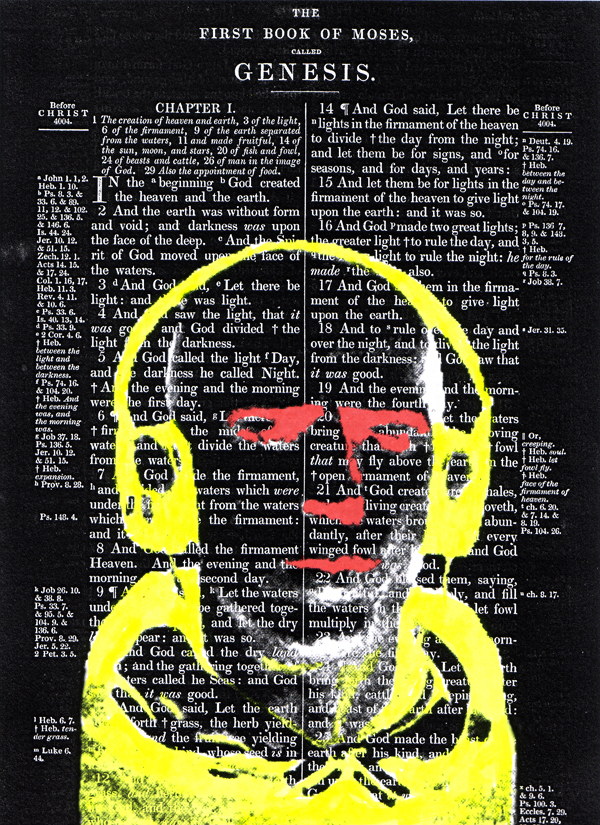
In 2003 I held an exhibition which launched Photomonth for that year called Comrades. Hosted at the Four Corners gallery it took a satirical look at the Labour government of the day. This photomontage uses a Hungarian painting of the Virgin and Child with Tony Blair’s head.

Arrest of Tony Blair. Photomontage 2003.
This photomontage imagines Tony Blair as a peace protester being arrested close to the Houses of Parliament. I photographed the Labour Party leadership extensively in the early 90’s for Labour Party news. The images I accrued through this work were the principle resource for the exhibition.

Tony Blair as Jesus. After Caravaggio 2003.
Here we have the simple substitution of a Tony Blair head in Caravaggio’s masterpiece depicting the supper at Emmaus.

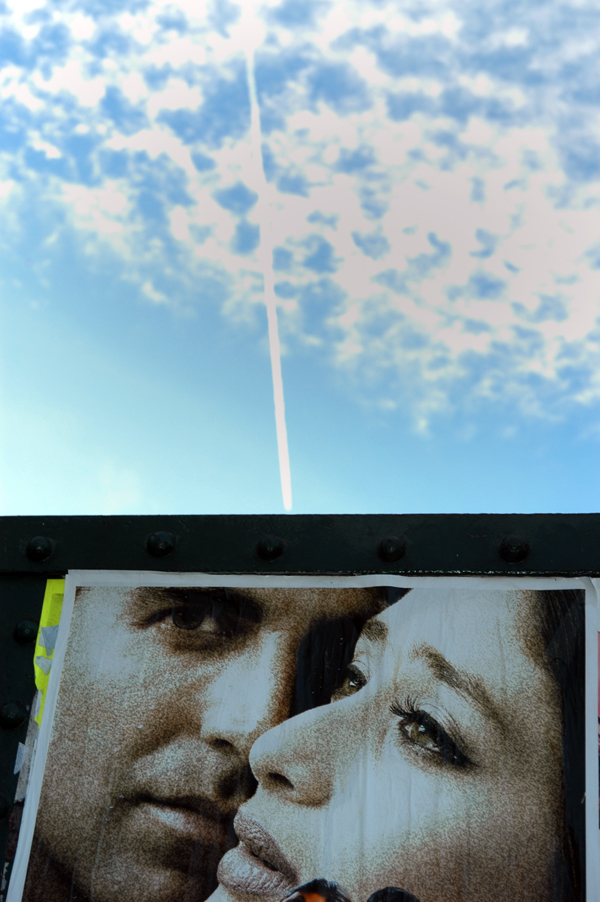
Torn fly poster with Brown, Blair and Cook, 2003

Tony Blair as the President of the United States, 2003.

Gordon Brown and Tony Blair on Brighton Pier, 2003

Tony Blair and John Prescott at a Labour Party conference, early 1990’s

Blair & Iraq. Collage, London 2008

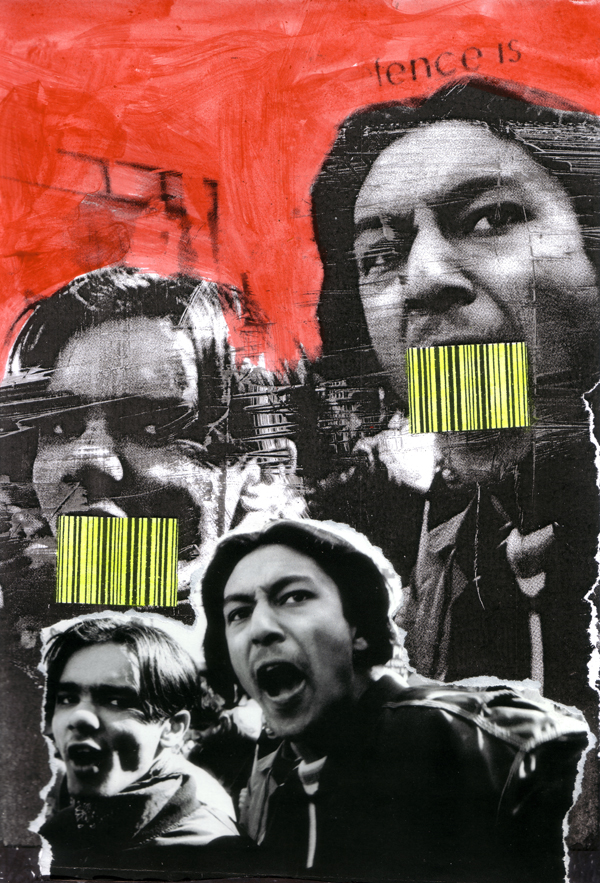
Photomontage with a message and Tony Blair. Demonstration against the war, London 2003
The exhibition also included straight photographs of Labour politicians which were accompanied with quotes from the subjects.
Rickshaws in Bangladesh
This is one of my favourite posts from 2010. I’ve added a few additional photographs. I’m pleased to post it again today.
Rickshaws are the most popular means of transportation in Bangladesh. In the capital Dhaka there are over 600,000 competing for passengers.

Rickshaw with passenger in Sylhet 1996
Rickshaws are covered with paintings of rural scenes, animals, film stars, the rich and the famous, great monuments and religious symbols. The dress of the passenger above compliments the art work on the rickshaw.

Celebrity rickshaw portraits, 2009
Rickshaws have become mobile works of art. Scores of people are employed to paint and decorate this popular form of human powered transport. In recent years computer generated images have joined hand painted patterns. The main aim of rickshaw art is to attract the attention of potential passengers.

River scene on a rickshaw, 2009

Rickshaw, Dhaka c. 1992
Rural scenes are a popular motif. The river scene above adorns the backboard of the rickshaw. Rickshaws are a cheap and popular mode of transport over short distances. Currently there is a battle between rickshaws and cars in Dhaka. Rickshaws are blamed for traffic congestion. However, rickshaws are safe, environmentally friendly and do not rely on fossil fuels. Many people rely on rickshaws. The industry employs people from 38 different professions.

Rickshaw art, Dhaka 2009
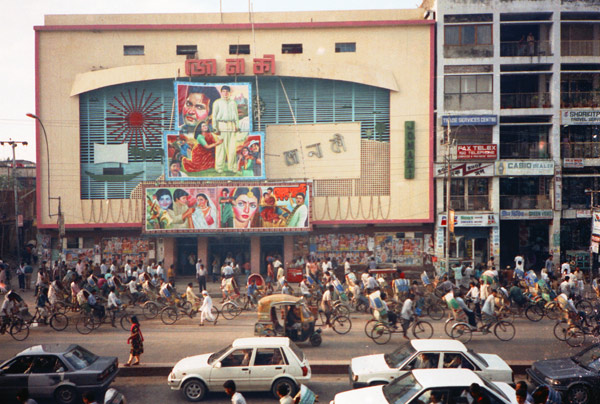
Dhaka cinema with rickshaws waiting outside, 1995

Rickshaw, Dhaka Bangladesh c. 1990
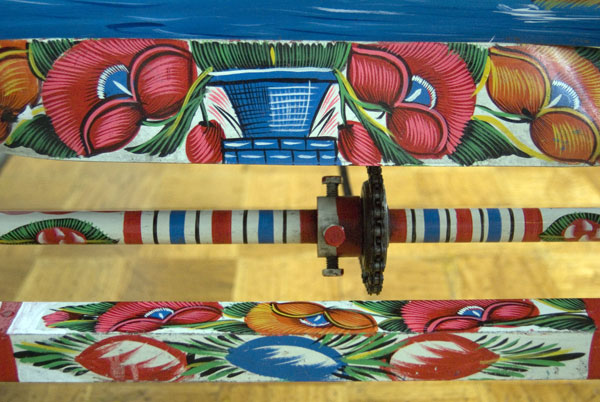
Rickshaw painting. Dhaka, Bangladesh 2009

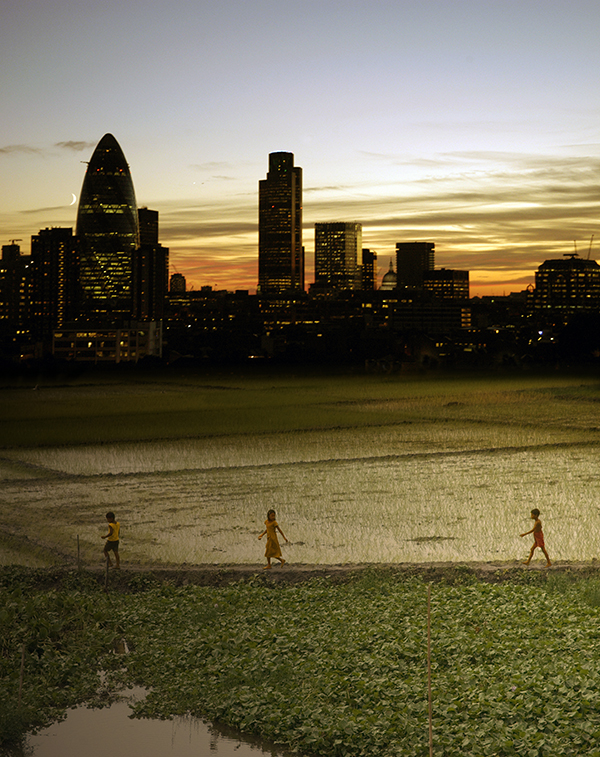
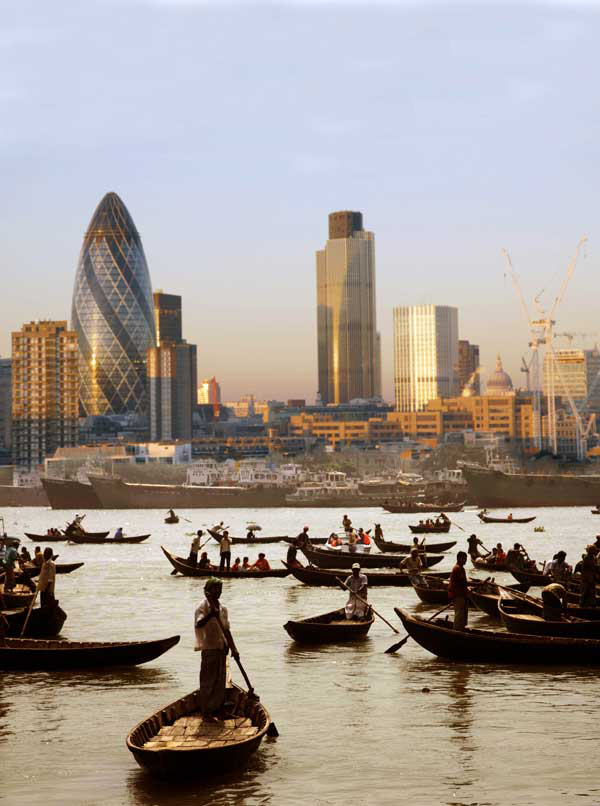
Rickshaw and Canary Wharf, Photomontage 2010

Rickshaw driver waiting for a passenger. Dhaka, Bangladesh c.1991

Rickshaw ride. Bangladesh 2008
Liverpool Anglican Cathedral

Liverpool Cathedral c. 1978
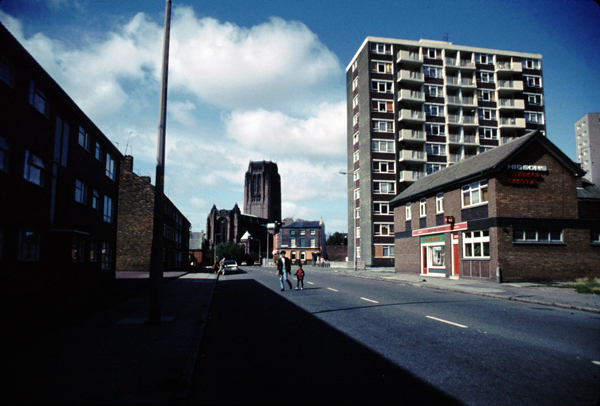
The Liverpool skyline is dominated by two cathedrals. The Anglican cathedral designed by Giles Gilbert Scott eclipses the modern design of the Catholic cathedral a short distance away. This may be partly due to its position on St James’ Mount which overlooks the city and the river Mersey. Perhaps also the Gothic revival style of the building plus the fact that it is the largest Cathedral in Britain assures its dominance of the skyline.

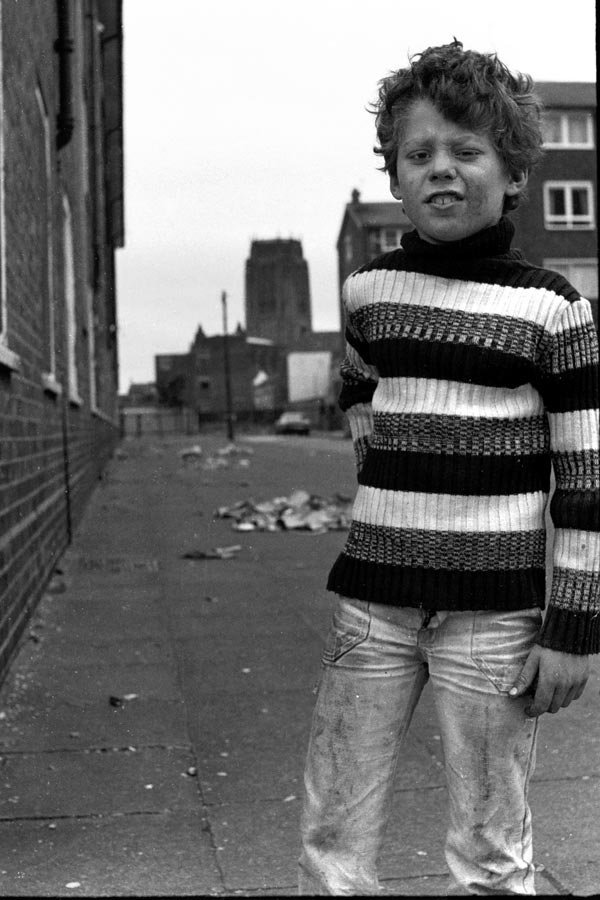
During the early 1970s and 1980s the cathedral was surrounded by urban dereliction.
Today the landscape around the cathedral has completely changed following various regeneration schemes.
For me the relationship of Scotts iconic design with the old Liverpool captured here had a special resonance which has now disappeared.

Liverpool Cathedral c.1987

Liverpool Cathedral c.1978

Liverpool Cathedral in the distance c. 1980

Liverpool Cathedral c.1979
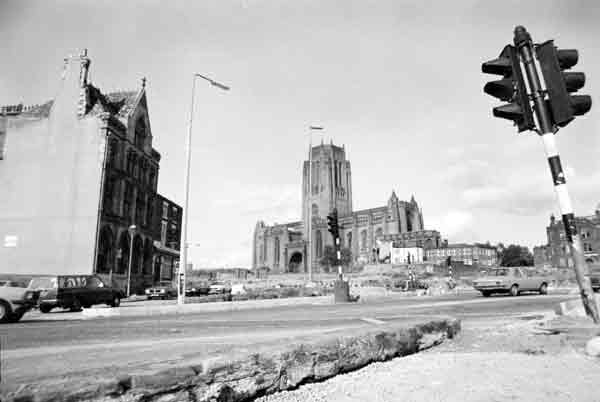
Liverpool Cathedral c.1980

Liverpool Cathedral, c.1980

Liverpool Cathedral in the distance c. 1980

Liverpool Cathedral in the distance c.1981

Liverpool Cathedral 1978

The Anglican Cathedral in Liverpool c.1977

Liverpool Cathedral c.1987
St Bartholomew’s Hospital London
Around ten years ago I was the photographer in residence at the Barts and the London NHS Trust. I was commissioned to provide fresh photographs of London for St Bartholomew’s and record the buildings which were to be pulled down as part of the building programme. I never expected I would return as a patient years later. These images reflect a month long stay as a patient. For three of the weeks I was flat on my back and unable to move out of my bed. This imprisonment was made bearable by the wonderful staff who cared for me and the world I was able to photograph from my bed.
Possibly I take better photographs under the influence of drugs.

St Bartholomew’s Hospital 2010

St Bartholomew’s Hospital 2010

St Bartholomew’s Hospital 2010

St Bartholomew’s Hospital 2010
These telephone masts viewed through the window next to my bed became good friends after a few weeks.

St Bartholomew’s Hospital 2010

St Bartholomew’s Hospital 2010

St Bartholomew’s Hospital 2010

Visitors 2010

St Bartholomew’s Hospital 2010

St Bartholomew’s Hospital 2010
St Bartholomew’s Hospital 2010

St Bartholomew’s Hospital 2010
St Bartholomew’s Hospital 2010

St Bartholomew’s Hospital 2010

St Bartholomew’s Hospital 2010

Royal Liverpool Hospital 2016

Royal Liverpool Hospital 2016
Cruise Missile Protest 1982

Protest halts traffic on Whitechapel Rd in 1982
These photographs were taken in 1982 at the junction of Whitechapel Rd and Vallance Rd. The protesters are from a local peace group who took direct action to halt the traffic on Whitechapel Rd which was used to transport Cruise missiles to Greenham Common.

Cruise convoys convey death
At this time the Greenham Common peace camp was established to protest against the decision of the British government to allow American cruise missiles to be based there. In December 1982, 30,000 Women, including those photographed here, joined hands around the base at the Embrace the Base event. After making there point by holding traffic up for some time the protesters followed instructions from the police and allowed traffic to flow freely. The Women’s peace camp at Greenham Common inspired the creation of other peace camps at more than a dozen sites in Britain and elsewhere in Europe. Note the remnants of the Lahore Kebab House in the background on New Rd.

A waiting motor cyclist reads a flyer about the protest
In 1991 the last missiles left Greenham and protesters won the right to house a memorial site which was established in October 2002.

Police arrive at the protest
When the police arrived they addressed their remarks to the only man in the demonstration. When the women asked the officer to address them because they were a collective it caused some confusion. In the end the protest finished with no arrests. The protesters had made their point effectively.
This is one of my favourite blogs from 2010. I am pleased to publish it again today.