Underground Rickshaw


Bicycle rickshaws are the most popular modes of transport in Bangladesh and are available for hire throughout the country including the capital city Dhaka, known as the “Rickshaw Capital of the World“. Rickshaws are the most popular means of transportation in Bangladesh. In the capital Dhaka there are over 600,000 competing for passengers. The rickshaws carry passengers but they are often adapted to transport all sorts of goods. Because of inflation and unemployment in the rural areas, people from villages move to the cities to become rickshaw drivers, locally called the riksha-wala.
On my first visit to Bangladesh I became fascinated by Rickshaws. I viewed them as mobile works of art as they (when traffic jams were absent) flew through the streets thanks to the strenuous efforts and skill of the riksha-wala. Used to travelling in London on the Underground I relished a ride on a Rickshaw in Bangladesh. There can be no better way to see Bangladesh than from the passenger seat of a rickshaw. This piece imagines two modes of transport combined: the underground and the Rickshaw.
Rickshaws are covered with paintings of rural scenes, animals, film stars, the rich and the famous, great monuments and religious symbols. Scores of people are employed to paint and decorate this popular form of human powered transport. In recent years computer generated images have joined hand painted patterns. The main aim of rickshaw art is to attract the attention of potential passengers.
Comparing travelling underground in a sealed tube full of commuters is like prison compared to the Rickshaw. Nevertheless I’ve been photographing the underground for decades as it provides a brilliant opportunity for human observation. Sadly pollution in Dhaka compares to the pollution on the underground.
There is a battle between rickshaws and cars in Dhaka. Rickshaws are blamed for traffic congestion. However, rickshaws are safe, environmentally friendly and do not rely on fossil fuels. Many people rely on rickshaws. The industry employs people from 38 different professions.
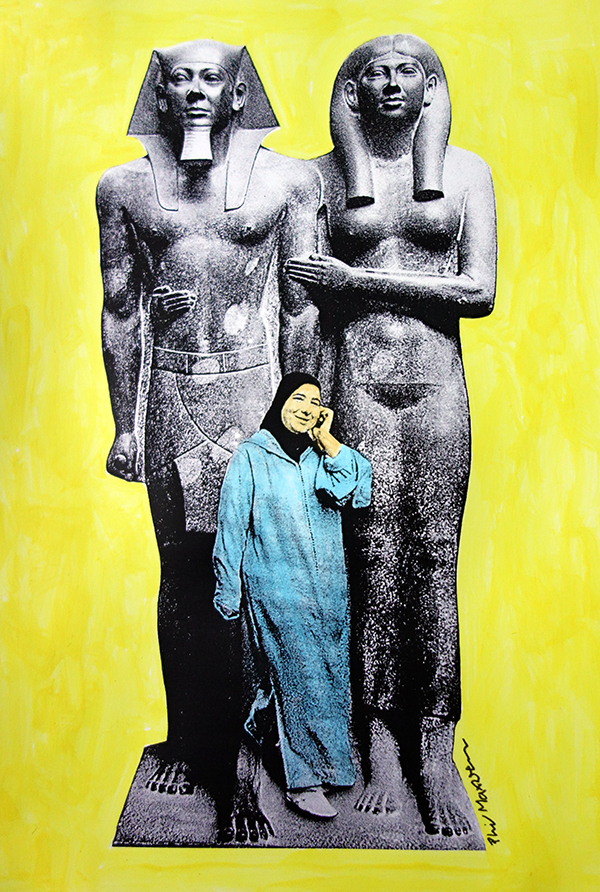
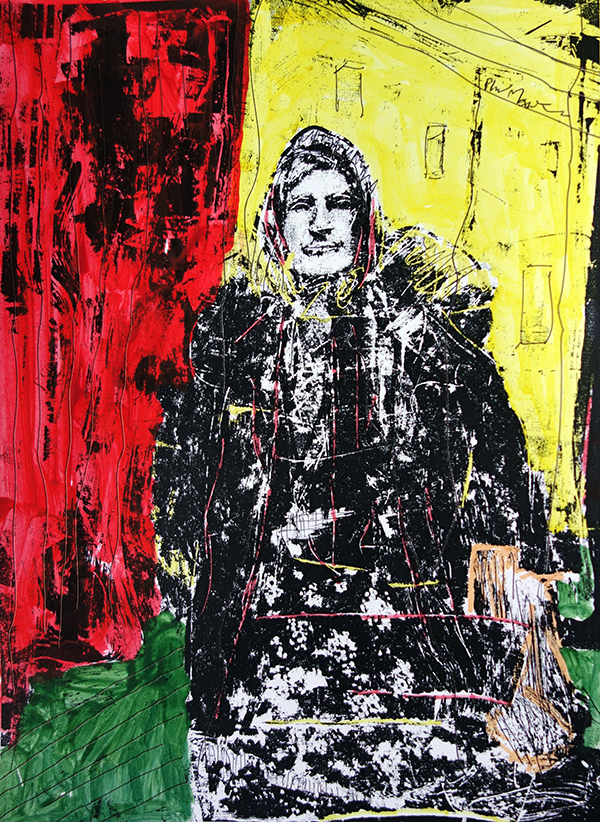
Perhaps the two women in the rickshaw are travelling with a driver searching for a place untroubled by pollution, global warming and the stress of ‘modern’ living.
Ban The Barge!

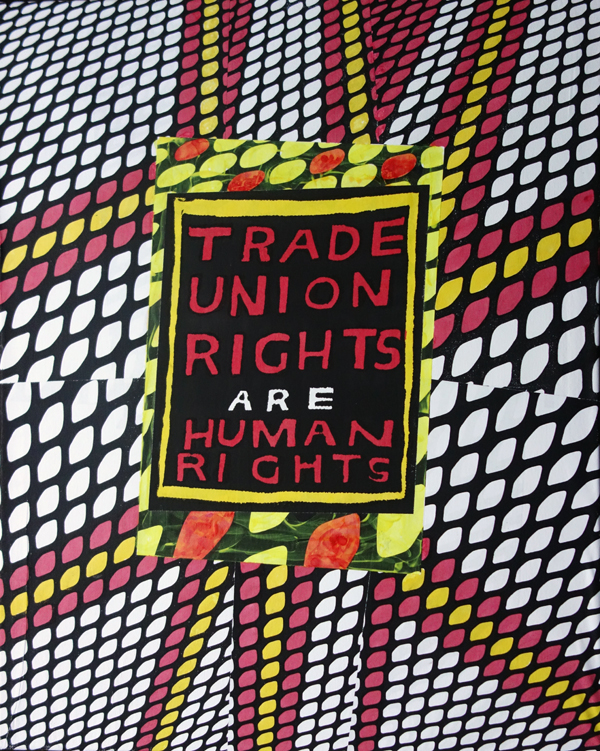
The Government sees asylum seekers as a useful tool to divert attention attention from the cost of living crisis and the corruption they are steeped in. They’ve always shown contempt for human rights when it comes to refugees.
People risk their lives in small boats crossing the channel because they are denied a safe and legal route to apply for asylum in the UK.
In the 1980s the Liberal Democrat Council in Tower Hamlets attempted to house homeless Bangladeshi families on a disused boat on the river Thames. The idea scheme was put forward by a Lib Dem councillor who was also a Lloyds underwriter. Following a public outcry and campaign the idea was quietly dropped. I never thought that decades later the idea of putting vulnerable people on a barge would be embraced by the govenment of the day.
After being condemned as a fire risk the first Refugees were put on the vessel in Portland Port despite the fact that test results for Legionella in the water were positive.
Following a Home Office “incident management meeting” on 17th August officials concluded that no one else would be moved onto the Bibby Stockholm while a risk assessment was carried out, and it was then decided to move all 39 asylum seekers off the barge. The government has refused to answer questions about why all this was allowed to happen.
The cruelty and inhumanity of the government seems to have no limits. The ‘Stop the boats’ policy diguises an unwillingness to meet the bare minimum of the govenments responsibilities under international law towards refugees.
The government hopes eventually to ‘house’ 500 men on the barge. We all need to raise our voices to “BAN THE BARGE”.
World Streets (19)


Mixed Media Collage
Forty five years ago I aquired a copy stand which I’ve only started to appreciate in recent years. It’s great for photographing art work or items that can be incorporated into work later. This mixed media collage began life as a discarded and dismembered cigarette packet which I photographed on the stand.
The photograph of the cigarette packet was the framework for the development of the piece. On top of the packet you can find luminous advertising boards from an East London subway, candlelight seen through a disused blue gin bottle and blurred street lighting from down town Marrakech. Your eyes may notice more!


Around Liverpool (39)