Earth On Fire
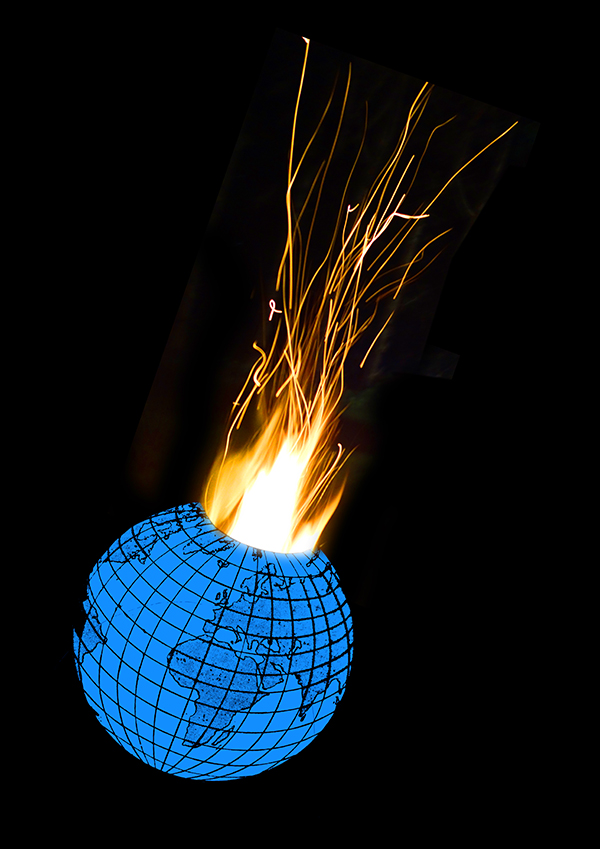
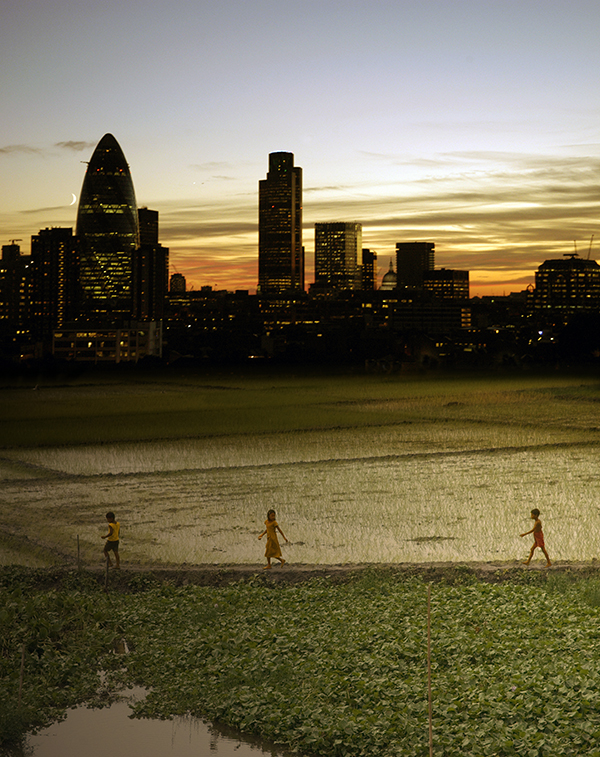
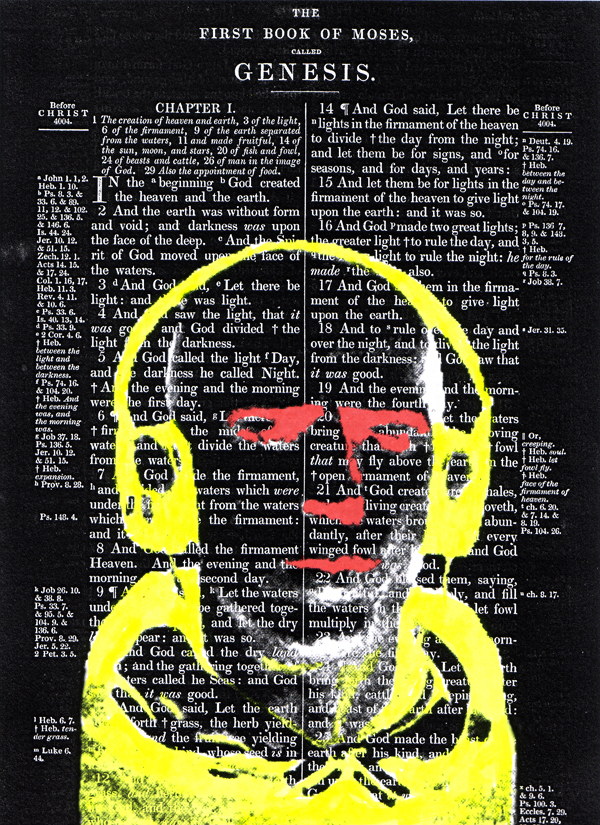
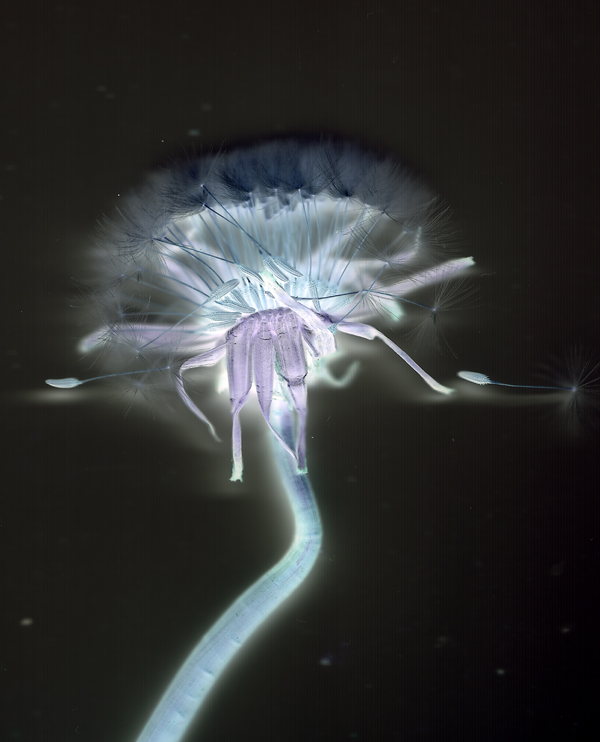
Since the 1800s, human activities have been the main driver of climate change, primarily due to the burning of fossil fuels (like coal, oil and gas), which produces heat-trapping gases. Since 1870, global sea levels have risen by about 8 inches. Global climate change has already had observable effects on the environment. Glaciers have shrunk, ice on rivers and lakes is breaking up earlier, plant and animal ranges have shifted and trees are flowering sooner.
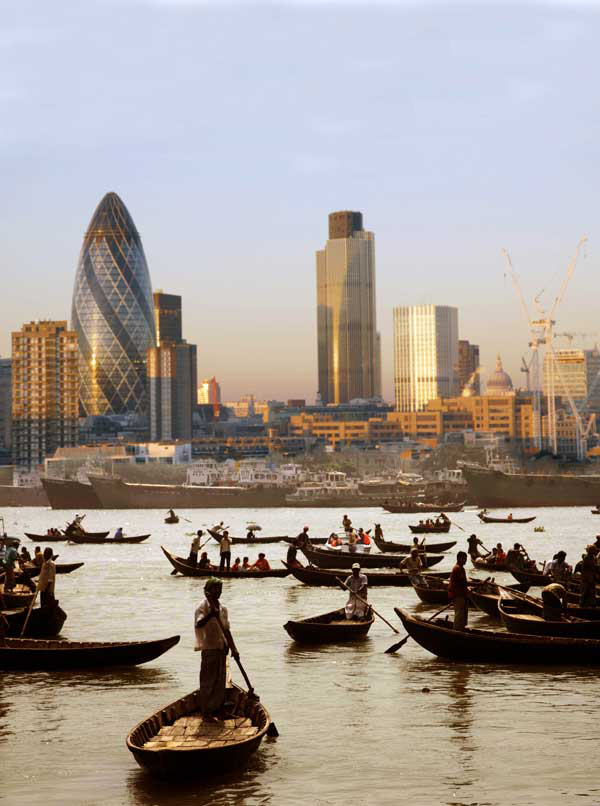
This photomontage is designed to illustrate the serious impact human activity has had on the environment. In his excellent book ‘Ecocide’ David Whyte, Professor of Socio-Legal Studies at the University of Liverpool, argues that corporations are a critical yet neglected cause of our global environmental crisis. The problems they create are wired into their DNA of shareholder primacy and profit or wealth maximisation – a phenomenon now acknowledged widely as financialisation. Furthermore, the corporate veil of limited liability and responsibility, and their concentration of political and structural power, enables corporations to shop between jurisdictions, playing a game of tax, offshore secrecy and regulatory arbitrage to evade environmental responsibility.
The climate crisis reflects the failure of economics as capitalism is actually the cause of the problem and climate change merely a symptom. The fight against global warming is inevitably a fight against capitalism. David Whyte ends his book on ecocide with these stark words: “We have to kill the corporation before it kills us.” The guiding idea of contemporary capitalism is to maximize short-term profitability, a posture that contradicts the kind of approach that would protect the natural habitat against the ravages wrought by contemporary capitalism.
You can purchase this print and photographs by Phil Maxwell here: https://theartofresistance.bigcartel.com/products
Around The East End (26)


You can purchase photographs and other art by Phil Maxwell here: https://theartofresistance.bigcartel.com/products
Stop The War
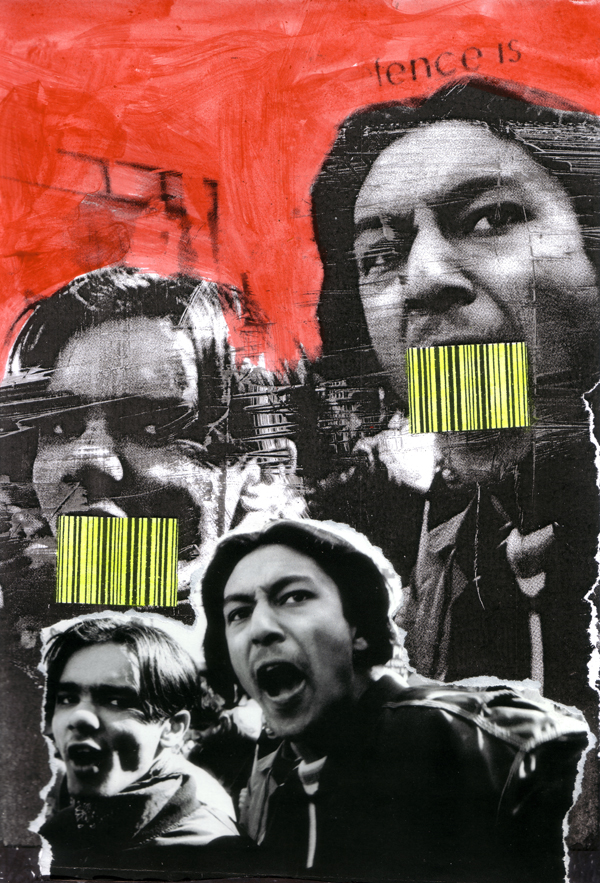
Has art driven major social and political change in the 21st century? Possibly not, but it has certainly provided an alternative to the status quo support for war and a system that upholds discrimination, social and climate injustice. Art is a powerful tool for communicating an alternative vision of the world and accelerating change. I remember in the 1960s and 70s having a visceral fear of the threat of nuclear war. I never believed the rhetoric of those who’ve argued that nuclear weapons have kept us all safe from war. Nuclear weapons have never protected the people of Iraq, Afghanistan, Yemen or Palestine from war.
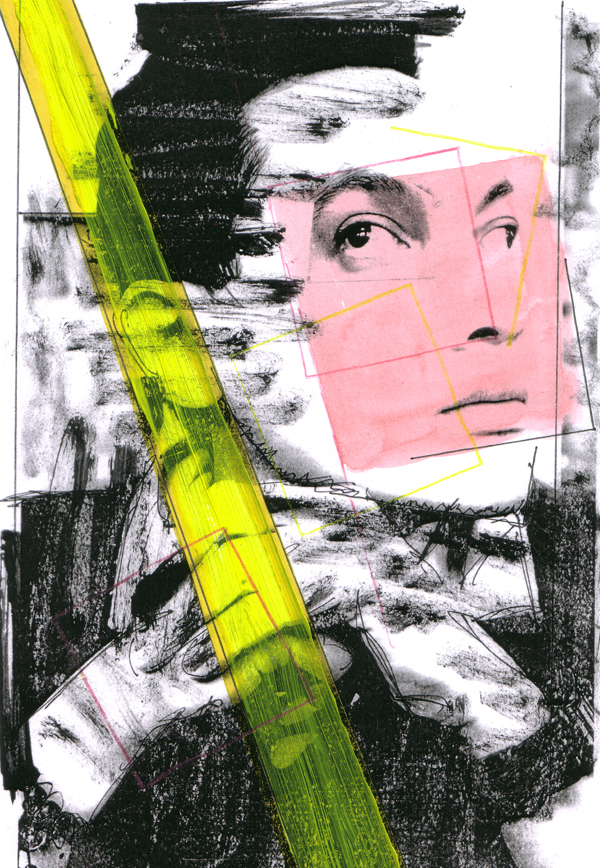
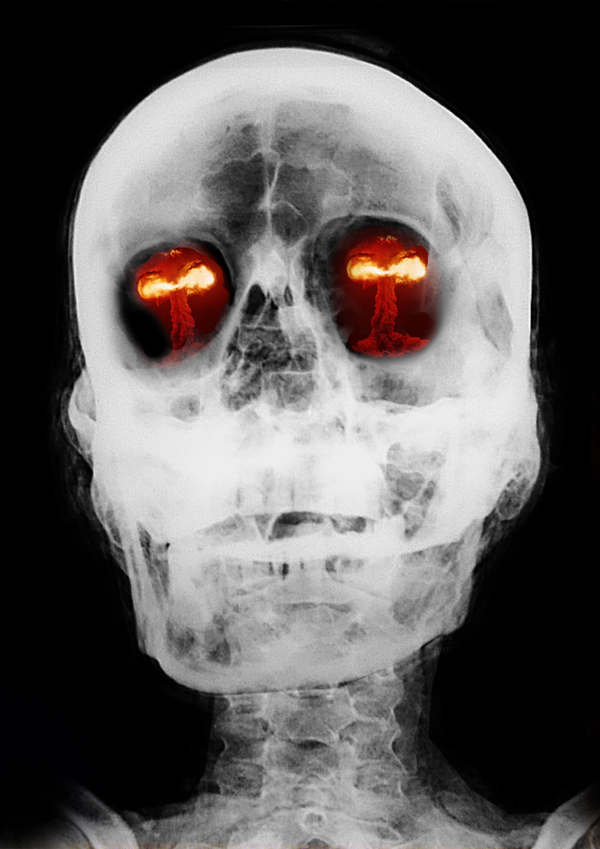
In January 2022 the Science and Security Board of the Bulletin of the Atomic Scientists set the Doomsday Clock at 100 seconds to midnight. At that time, they called out Ukraine as a potential flashpoint in an increasingly tense international security landscape. For many years, they have warned that the most likely way nuclear weapons might be used is through an unwanted or unintended escalation from a conventional conflict. Russia’s invasion of Ukraine has brought this nightmare scenario to life, with Russian President Vladimir Putin threatening to elevate nuclear alert levels and even first use of nuclear weapons if NATO steps in to help Ukraine. This is what 100 seconds to midnight looks like.
This Photomontage uses an x-ray photograph of an acient Egyptian skull that has been mummified. Mummification was designed to enable members of the Egyptian elite to survive death and enjoy the afterlife. Nuclear war will signal the death of all life on earth. The idea of surviving a nuclear war resonates with the same mytholygy of ancient Egypt. Nuclear bunkers for the super rich will only ensure a slow lingering death. I made this work as a contribution to the anti-war movement.
You can purchase photographs and other art by Phil Maxwell here: https://theartofresistance.bigcartel.com/products
International Street Photography (5)




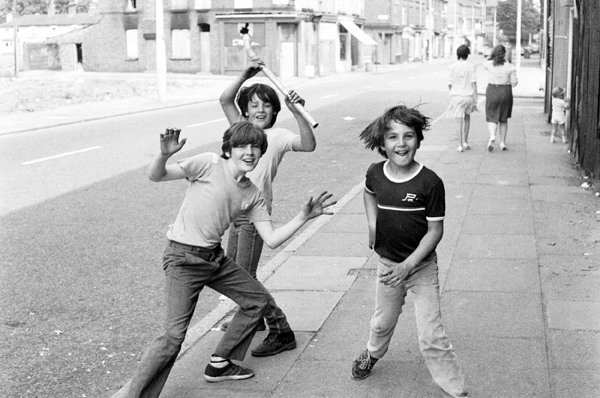
You can purchase photographs and other art by Phil Maxwell here: https://theartofresistance.bigcartel.com/products
Rising East


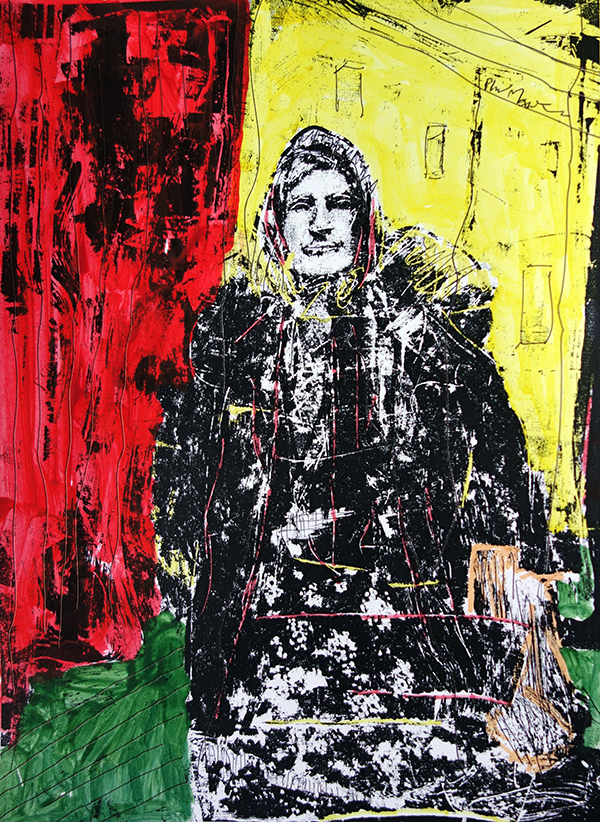
‘Rising East’ – a mixed media piece on canvas was based on two photographs I took of children from Fieldgate Mansions in Stepney in 1983. One of the images was published as a post card and another ended up on the cover of ‘Rising East’ The Journal of East London Studies in 1999.
You can purchase this and other art by Phil Maxwell here: https://theartofresistance.bigcartel.com/products