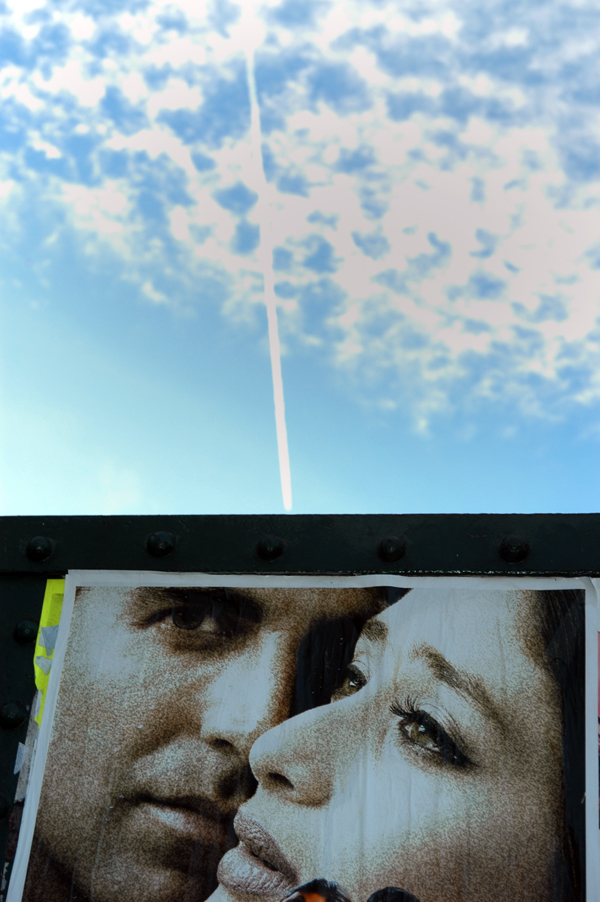
Fashion Street

Walking down Fashion Street, 1993
This family are walking past the former ‘Moorish Market’ designed and built in 1905 by entrepreneurs Abraham and Woolf Davis as a retail arcade in an unusual oriental style, with horseshoe arches. It was a commercial failure and changed to industrial use in 1909. It was empty and in disrepair for many years and was restored in 2003 for business use.

Woman walking into Fashion Street from Brick Lane, 1983

Woman walking past a wall covered in graffiti, Fashion Street 2008

Youth on Fashion Street, 2010

Woman with trolley walking down Fashion Street, 2010
Brick Lane Madonna

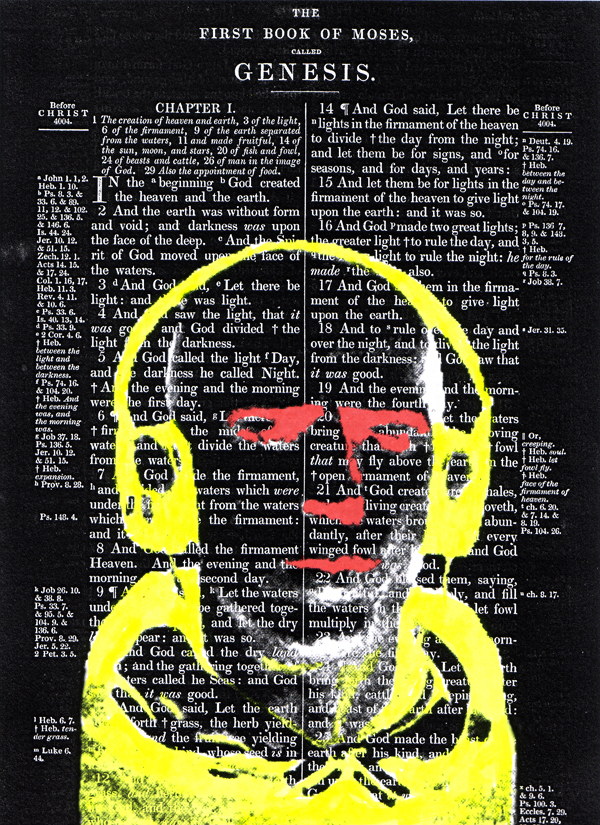
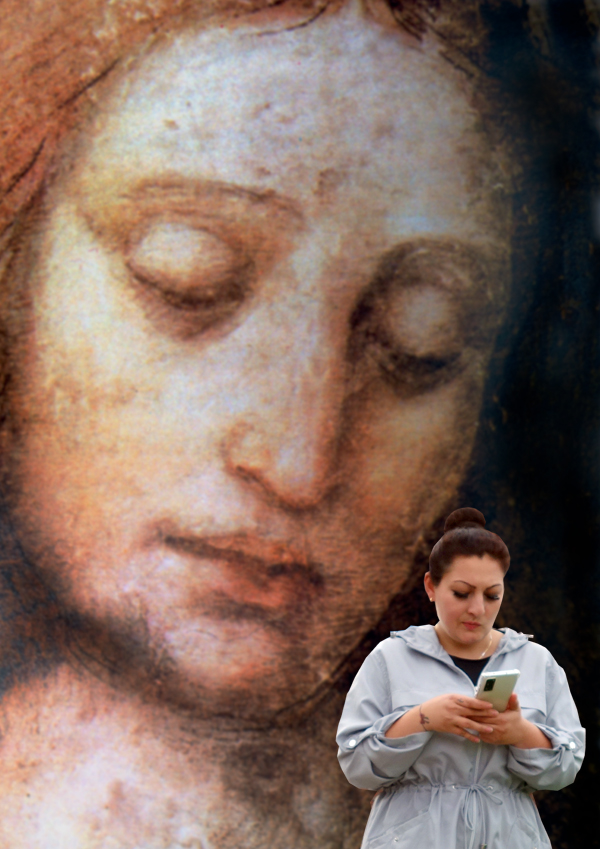
Abandoned religious picture. Brick Lane 2011.
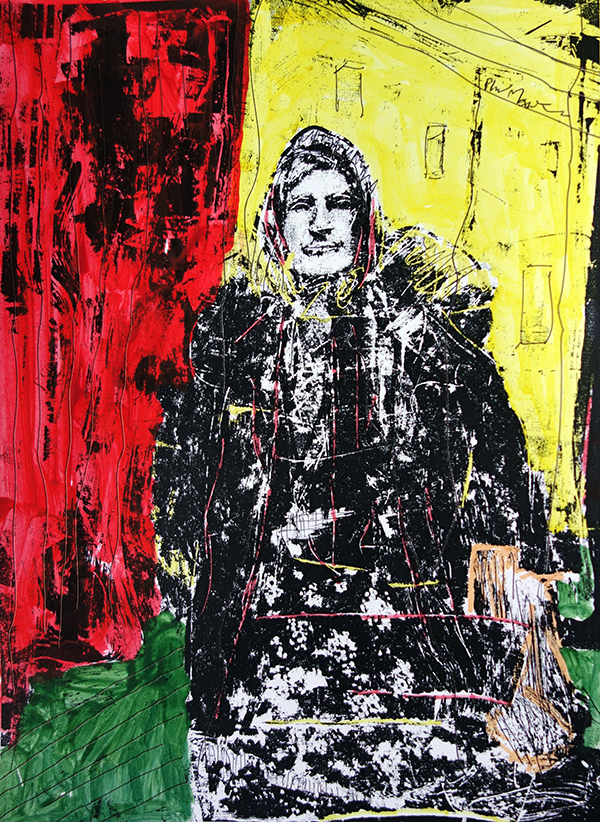
This devotional picture appears to have been imprisoned behind the bars of a window in Truman’s Brewery on Brick Lane. The image made me think of different women I had photographed on Brick Lane over thirty years who I would describe as having the qualities of a ‘Madonna’. Having been brought up a Catholic I am obviously aware of the religious connotations of this word. Naturally I have abandoned all Catholic beliefs so for me the word Madonna speaks of a special woman who has grace, fortitude and a natural unassuming charisma. The women below are my Brick Lane Madonnas.

Woman in head scarf, Brick Lane 1984

Lady on Brick Lane bridge, 1983

Lady on Brick Lane bridge, 1983

Lady in launderette, Brick Lane 1982

Woman on Brick Lane, 2002
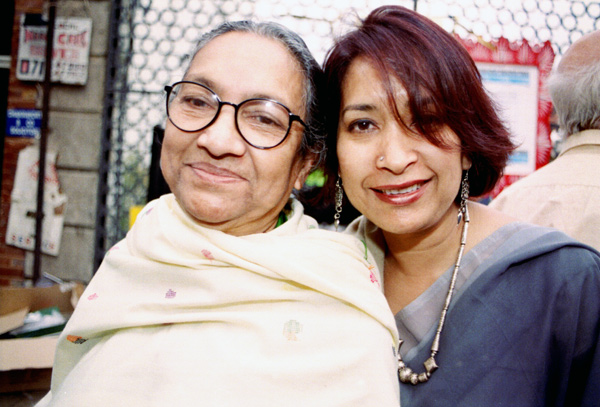
Mother and daughter on Brick Lane, 2003
Brick Lane head

Brick Lane poster with man carrying bag, 2002
This image (above) appealed to me as the posters on the wall strangely complete the composition. Its as if the missing head has been restored by the posters. Once fly posters are up they can undergo an interesting transformation. They develop as a kind of street collage through the addition of other posters (below) and the deliberate intervention of passers buy. They are a transient and spontaneous public art.

Brick Lane poster collage, 2002
Poster Face
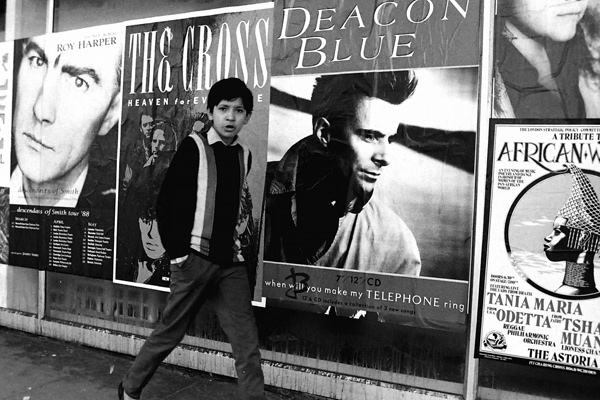
Boy walking past posters, Commercial Street 1987
Fly posters appear mysteriously outside empty buildings, walls and windows. I’ve never actually seen anyone paste one of these posters up. This adds to their mystery. Their illegal status also adds to their appeal. These photographs illustrate the ability of posters to connect with passers by as if they were part of an ingeniously designed film set.
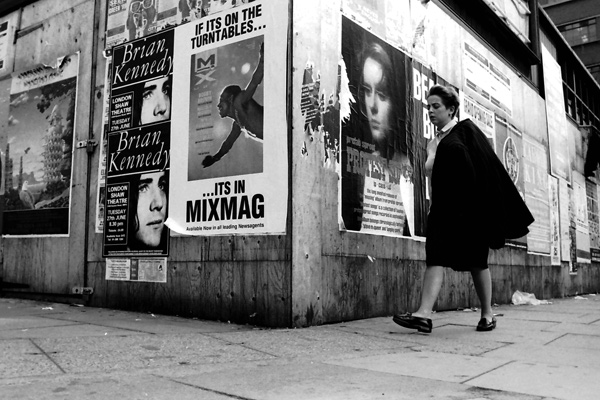
Nurse passing posters, Aldgate 1987
Sustainable Clothes
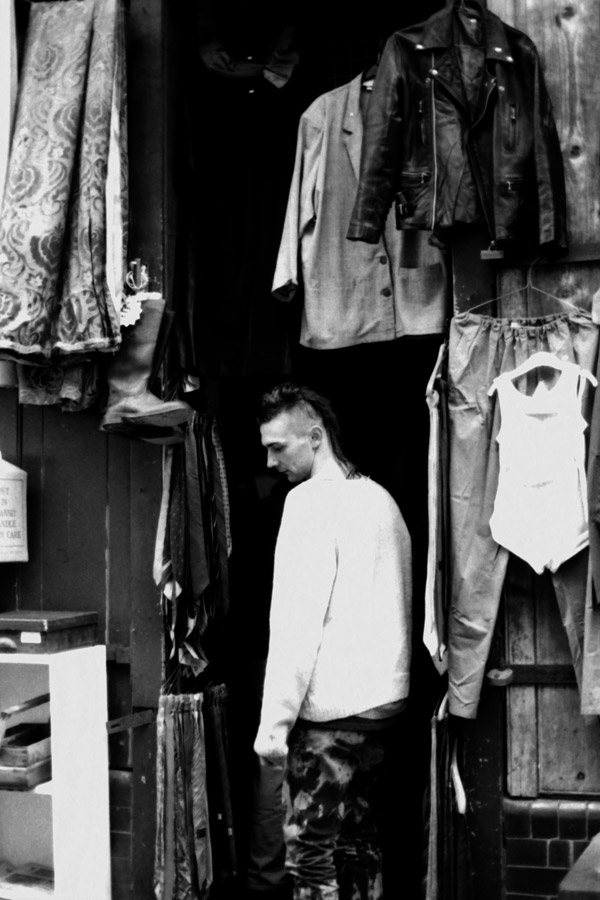
Man shopping for second hand clothes on Cheshire Street, 1988
Before Brick Lane was invaded by money and trend setters there were many clothes shops that opened for the Sunday market. Cheshire Street came alive on Sundays as derelict properties opened their doors to reveal heaps of second hand clothes. Today the equivalent of these shops are ‘retro’ establishments. Retro shops present second hand clothes with labels such as ‘1950’s classic’ and charge exorbitant prices.

Second hand clothes man, Cheshire Street 1988
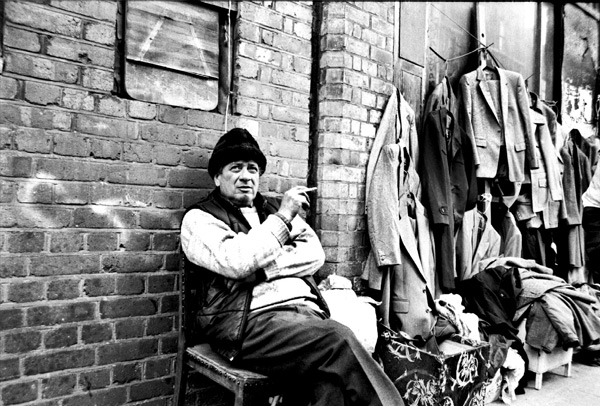
Second hand clothes man, Cheshire Street 1988

Clothes for sale, Brick Lane 2008