Cheshire Street: A Journey Through East London’s History

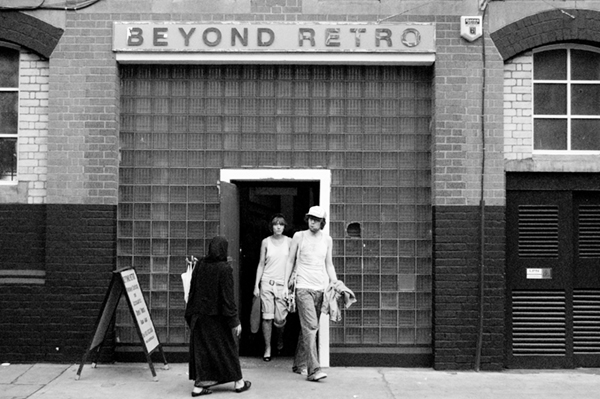
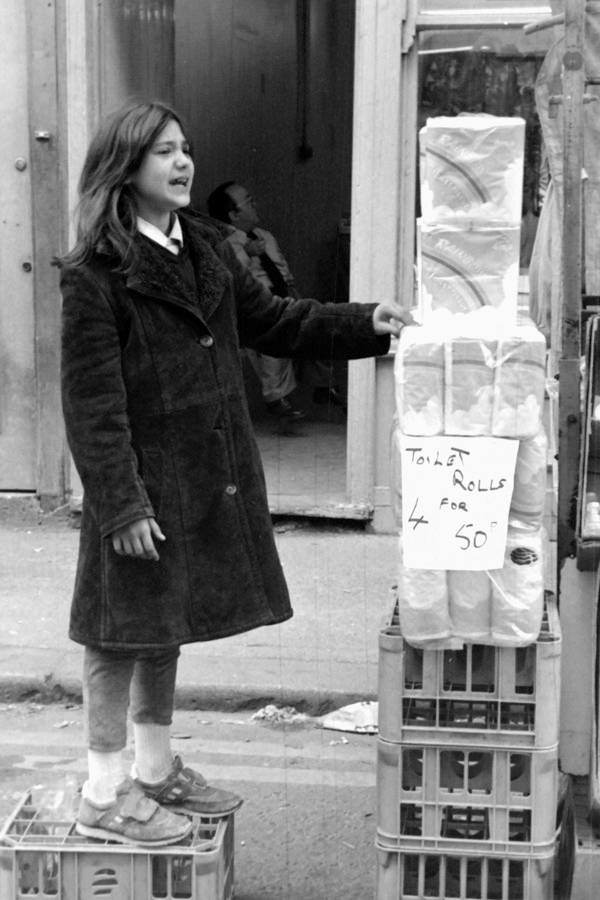
Cheshire Street is a historic street in the East End of Spitalfields, running between Brick Lane and Bethnal Green. Once known as “Hare Street,” it developed during the rapid growth of Spitalfields in the 17th and 18th centuries. When I first arrived in the East End in 1982, it quickly became one of my favourite haunts — especially on Sundays, when the market was alive with second-hand goods, antiques, clothes, records, and all manner of hidden treasures.
Spitalfields became famous for successive waves of immigration: first the French Huguenot silk weavers in the late 1600s, then Jewish communities in the 19th century, followed by Bangladeshi families from the 1970s onward. Cheshire Street reflected this constantly evolving East End culture, with its small workshops, busy markets, old pubs, and working-class housing.
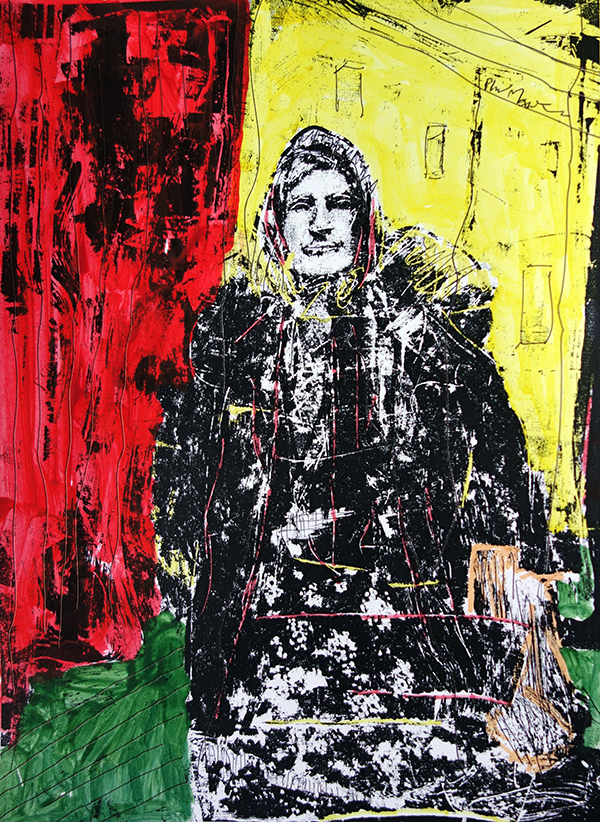
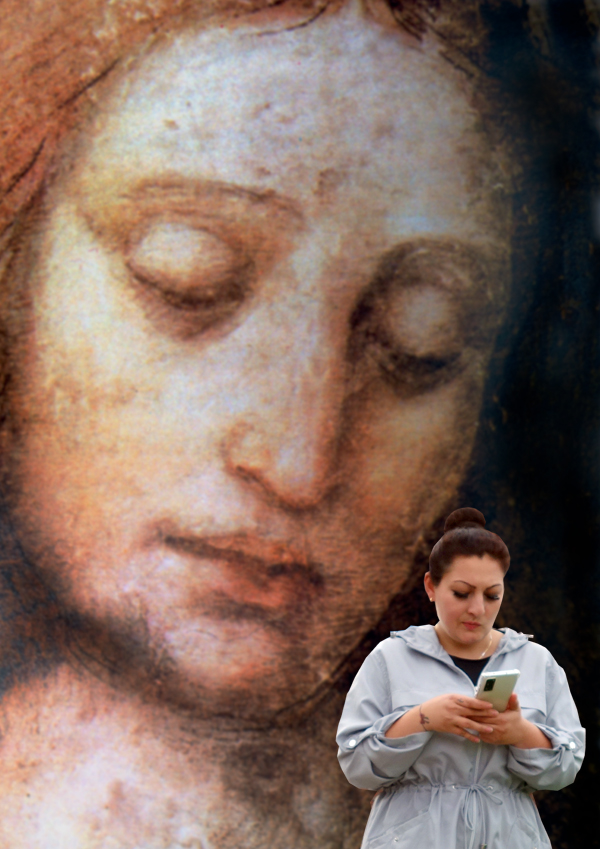
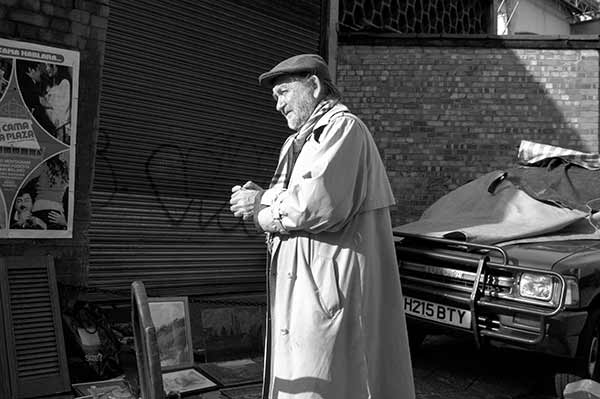
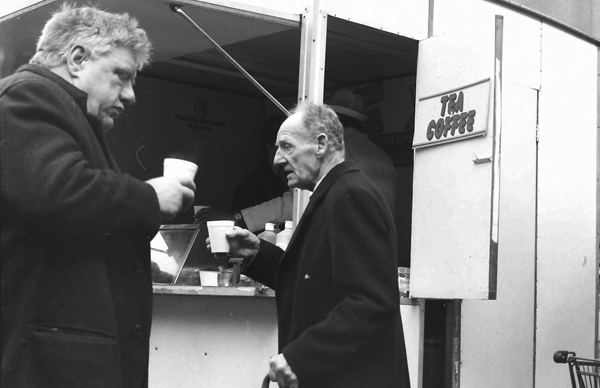
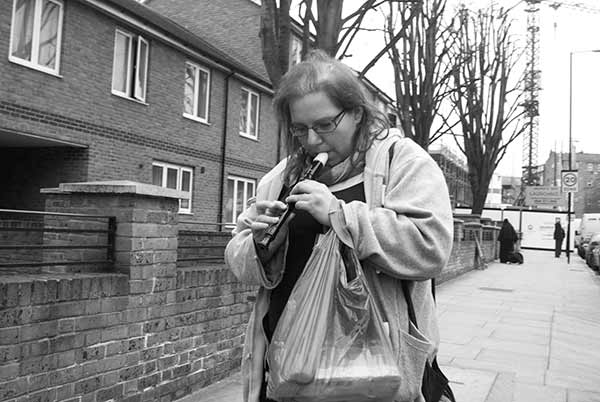
Back in the 1980s, wandering through Cheshire Street often felt like stepping onto a film set. Some of the faces and characters you encountered seemed as though they had walked straight out of a Dickens novel.
Unlike many parts of the East End, several streets around Cheshire Street survived wartime bombing and large-scale redevelopment. Their preserved Georgian houses, narrow lanes, and industrial backdrops made the area ideal for recreating old London on film, often requiring little more than careful camera angles rather than heavy special effects. This atmosphere led to Cheshire Street being used as a filming location in Michael Radford’s 1984 adaptation of Nineteen Eighty-Four, starring John Hurt and Richard Burton.
I hardly recognise the Cheshire Street of today after the rapid gentrification that has transformed the area since the 1990s. Even so, one of my old favourites, the Carpenter’s Arms, is still standing. According to East End folklore, the pub was associated with the Kray twins during the mid-20th century. Nearby, the old public bath houses later became home to the historic Repton Boxing Club, which trained generations of notable British boxers. Today, many of those once-gritty buildings have been converted into luxury flats — a striking reminder of how dramatically the East End has changed.






You can buy a signed copy of my latest photo book here
Watch The Photographer – a short film about the photography of Phil Maxwell: