East London: Capturing the Spirit of Transformation

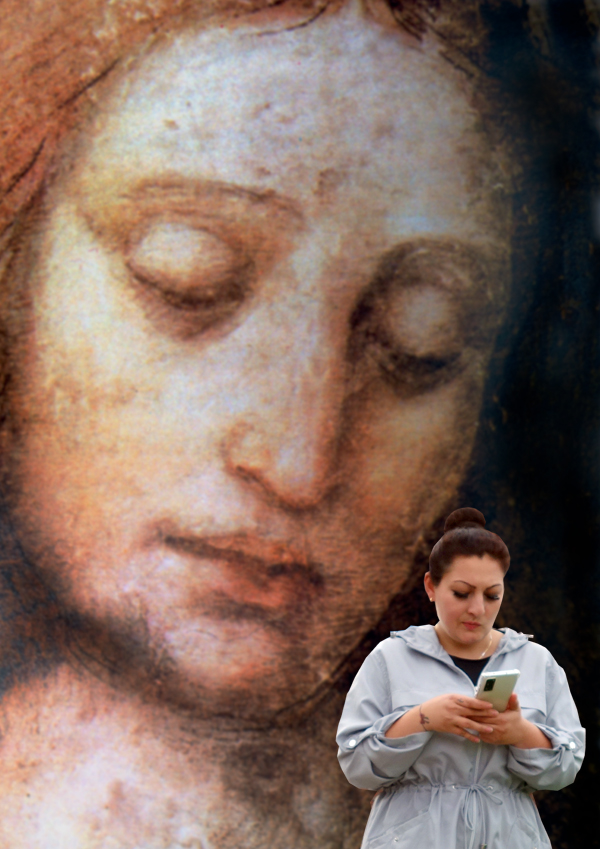
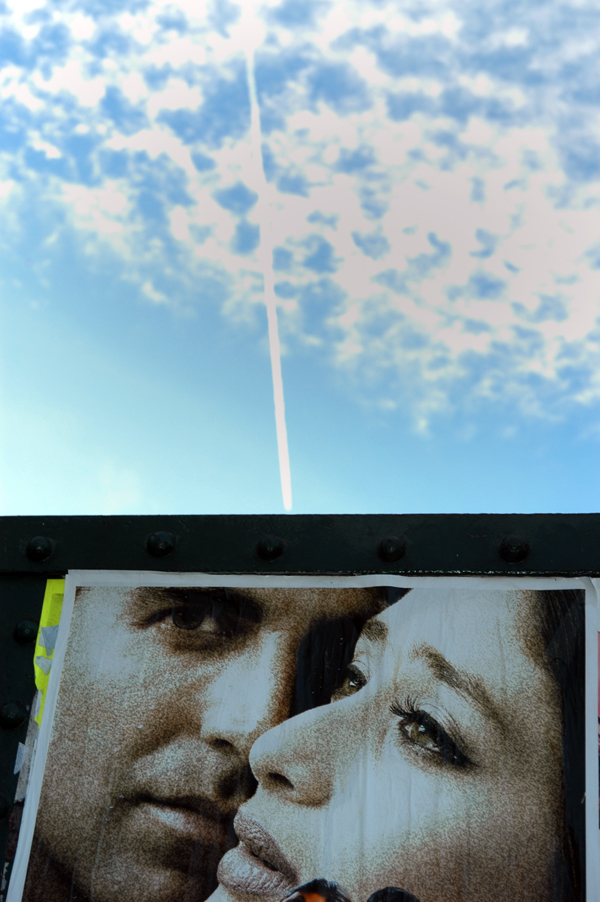
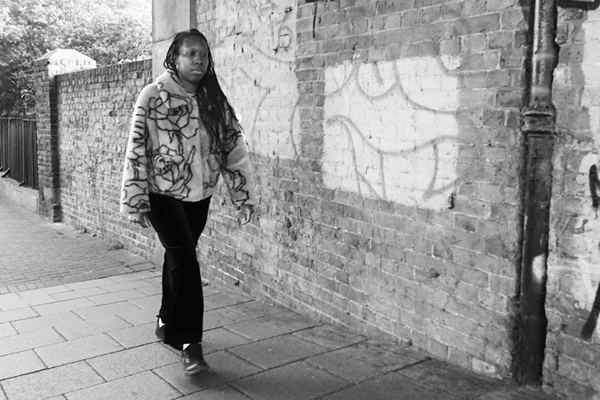
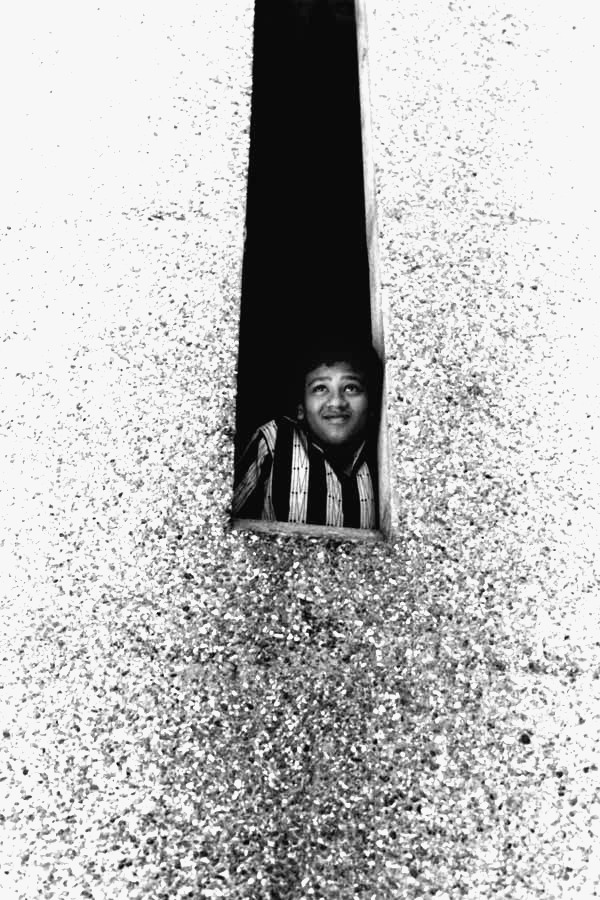
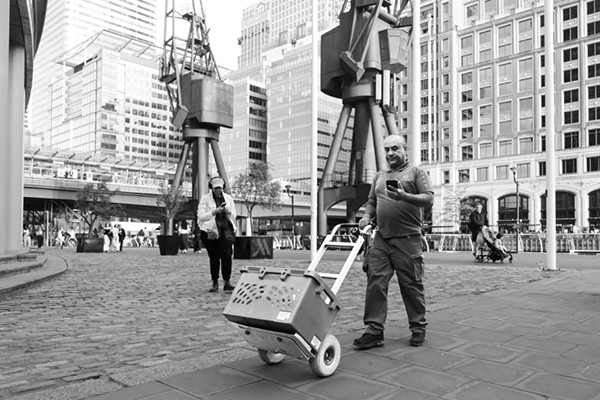
I’ve photographed Brick Lane and the surrounding area for more than forty years, and together these images form an archive of a disappearing London. I’ve always thought of Brick Lane as a kind of stage set, with multiple planes of action unfolding simultaneously. People move in different directions: some aware of each other, others isolated within their own trajectories. The street has a restless, kinetic quality that felt especially characteristic of East London in the early 2000s — a place where identities, economies and histories constantly overlapped and collided.
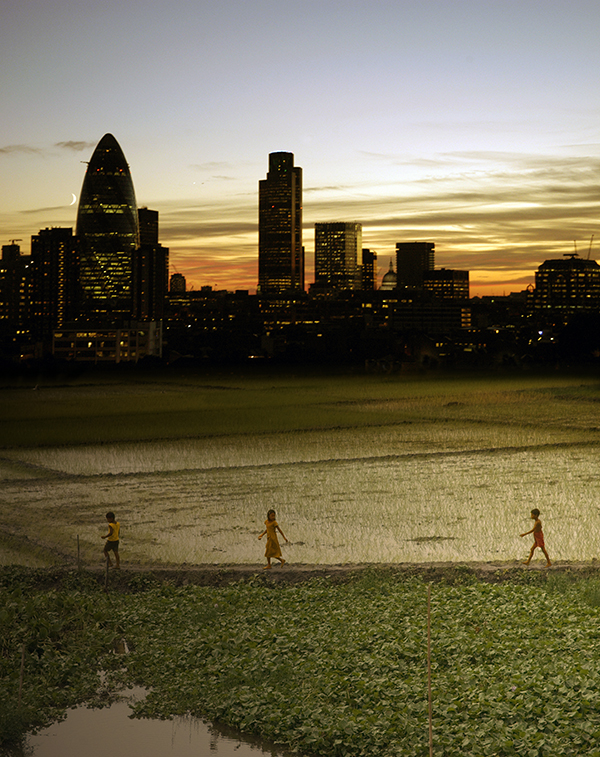
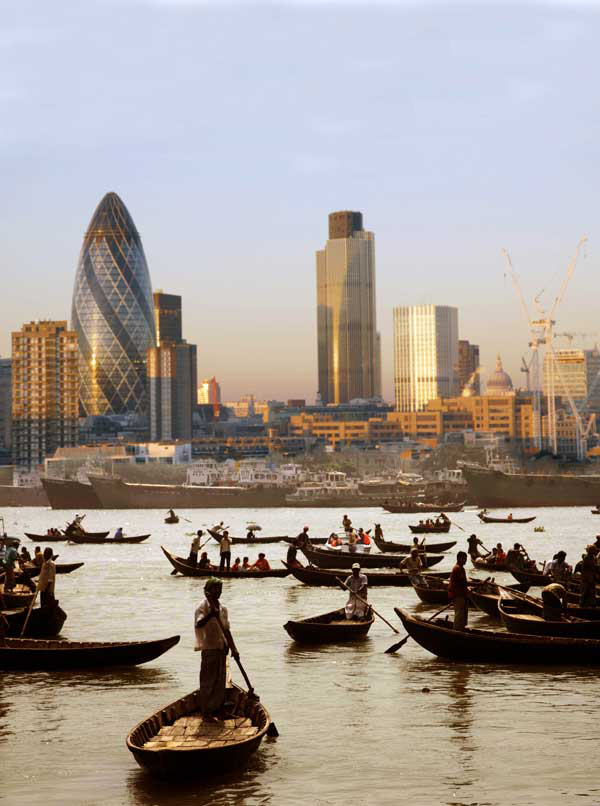
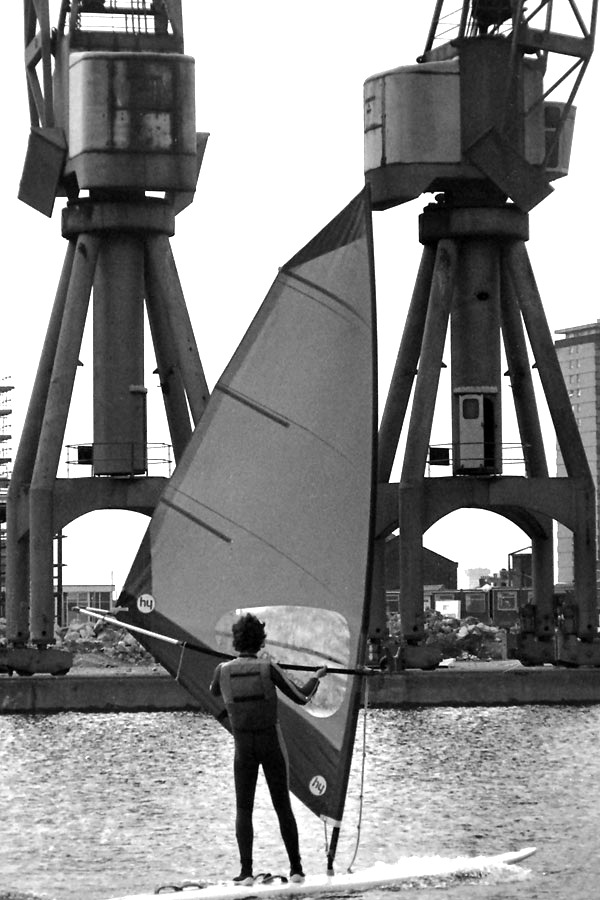
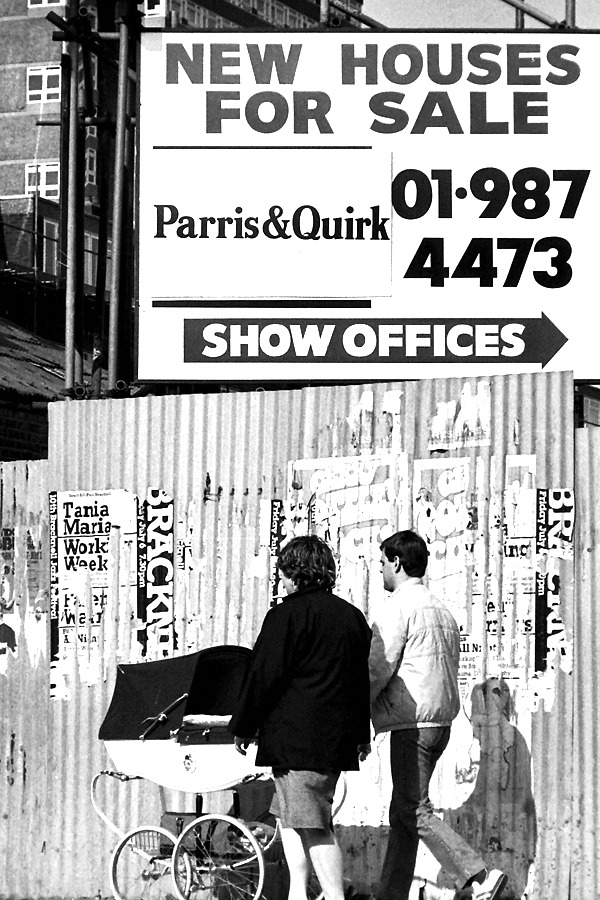
For Brick Lane in particular, change has been accelerated by its proximity to the financial centres of the City and Canary Wharf. In 2003, the area was at a moment of transition: still visibly working-class and deeply shaped by Bangladeshi immigrant culture, yet increasingly attracting artists, students, nightlife and the first strong waves of gentrification.
Personally, I’m saddened by the way local people have been pushed out through that process. Walking along Brick Lane in the 1980s, I would always run into people I knew. It was a place for the exchange of neighbourhood news, gossip, laughter and protest. Today, much of the street theatre I loved has become corporatised and bland.




You can buy a signed copy of my latest photo book here
Watch The Photographer – a short film about the photography of Phil Maxwell: