Exploring East London’s Social Contradictions

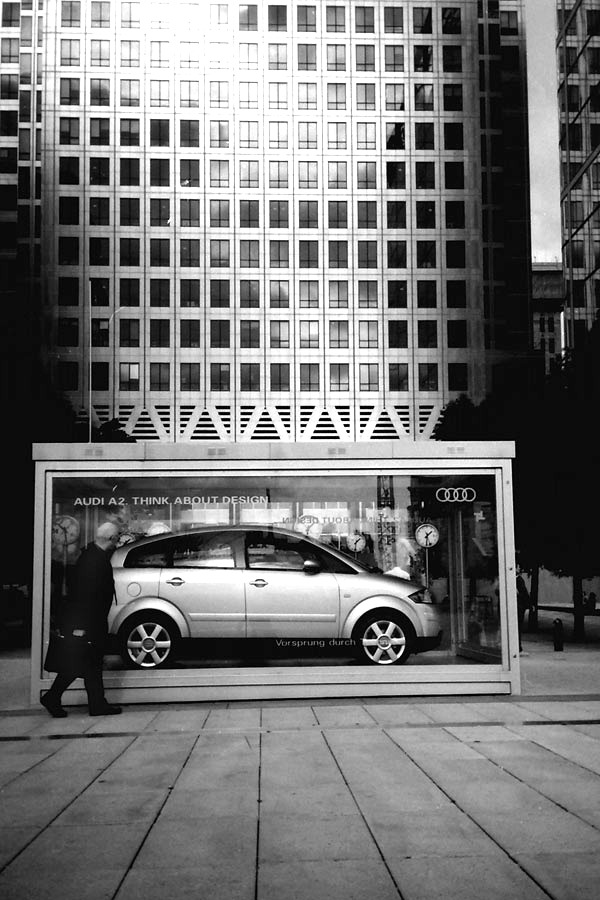
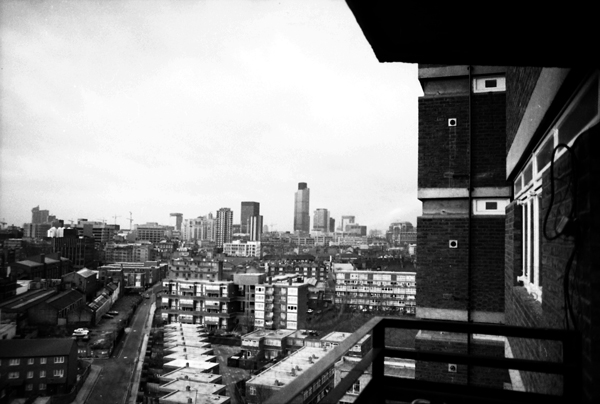
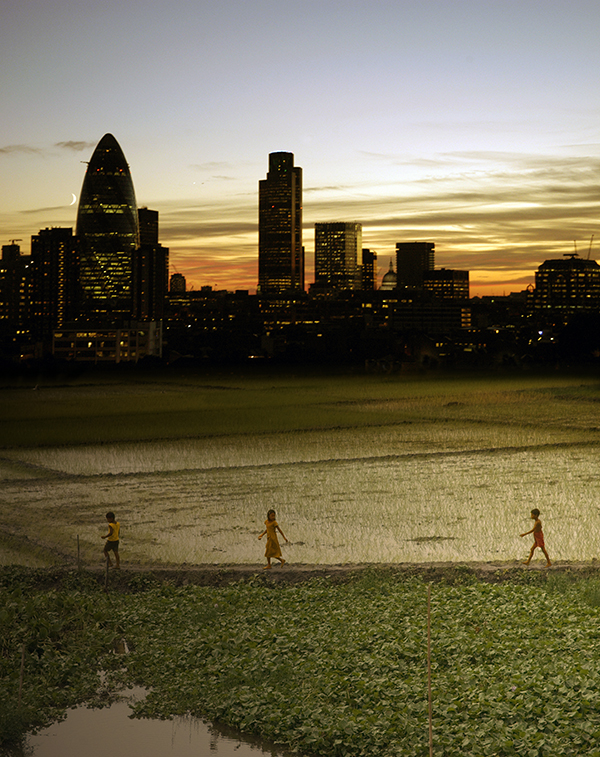
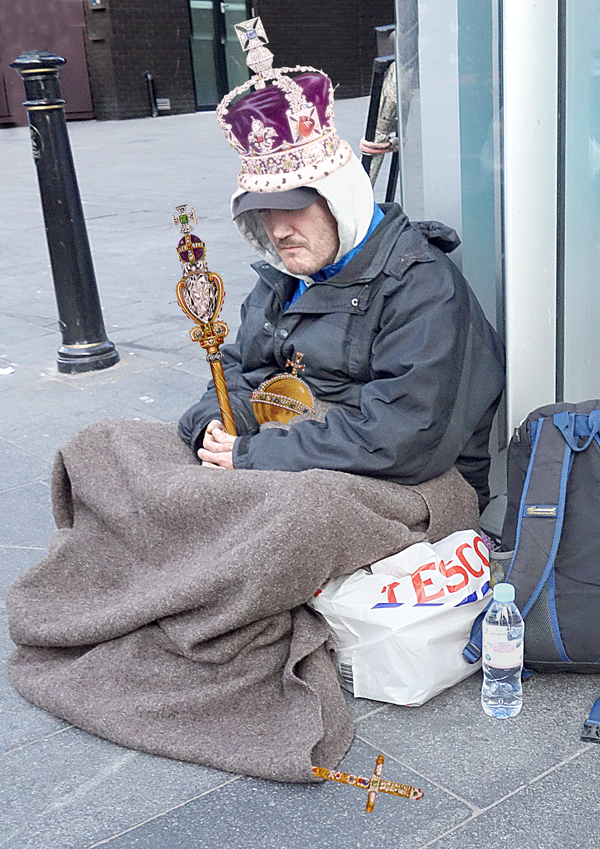
The luxury boutiques and wellness clinics of Canary Wharf are only a short walk from neighbourhoods facing persistent deprivation. This photograph is less about one individual than about that uneasy coexistence: conspicuous wealth and entrenched poverty occupying the same landscape, separated by little more than glass, polished stone and the illusion of accessibility.
I took the above photograph recently in the underground shopping mall at Canary Wharf. Whether you visit during the day or late at night, the lighting never changes. It feels detached from the outside world—an underground bunker where capitalism is permanently illuminated, insulated from the rhythms of daylight and the weather.
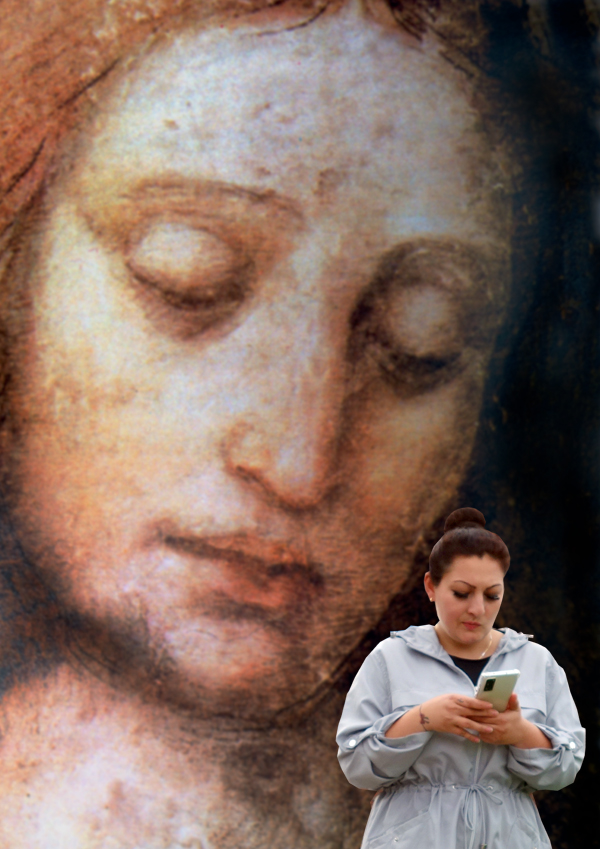
The subject is absorbed by his phone, seemingly oblivious to the oversized skincare advertisements competing for his attention. The image captures a familiar feature of contemporary urban life: our attention is increasingly drawn to digital screens, even as commercial imagery relentlessly vies for it.
Canary Wharf has evolved from a predominantly financial district into a destination for shopping, dining and leisure. Yet this transformation sits alongside one of London’s starkest social contradictions. Tower Hamlets, the borough that surrounds Canary Wharf, has some of the highest levels of child poverty in the country, with around half of all children living below the poverty line after housing costs. Around three in ten households receive Housing Benefit, highlighting the extent of low-income households despite the immense wealth generated nearby.