Gentrification in East London: A Photographic Study


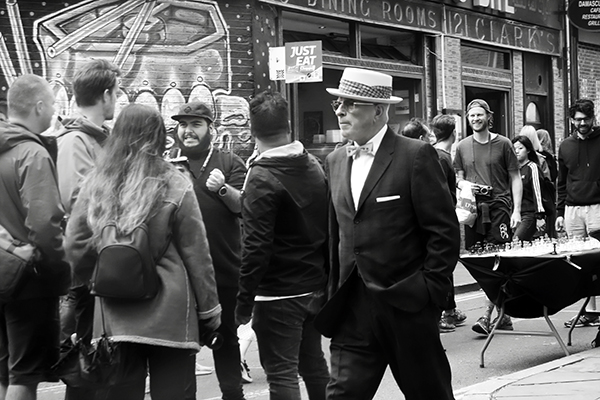
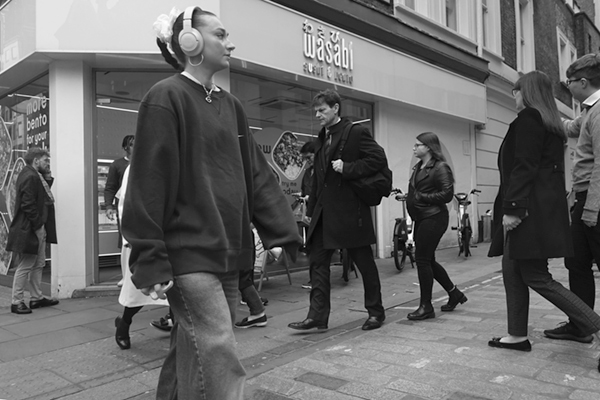
The photographs above depict the same stretch of Commercial Street in East London, taken almost three decades apart. Together they provide a visual study of continuity and change in one of London’s most rapidly transformed neighbourhoods.
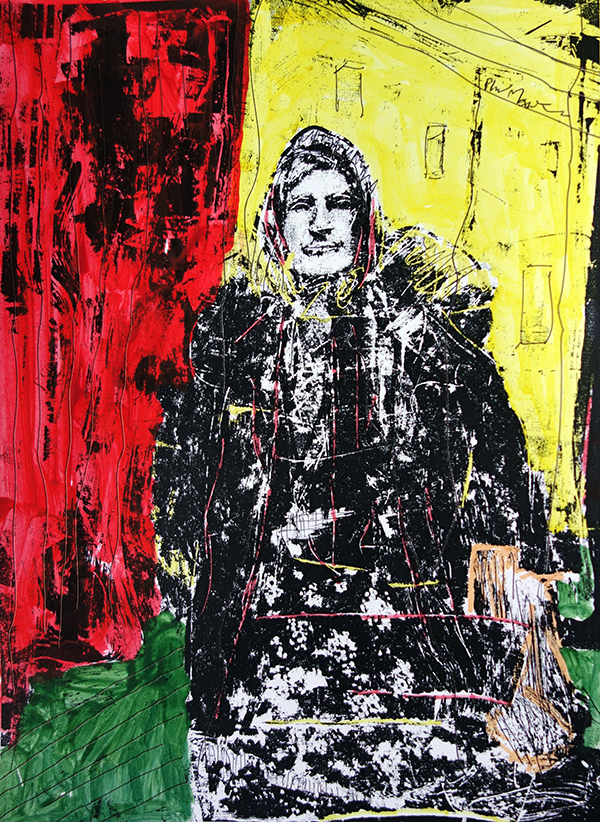
The first photograph documents the area in 1990, when Spitalfields was still marked by the effects of economic decline following decades of deindustrialisation. Much of the surrounding district retained its traditional working-class character, and only a few years after this image was taken the historic Spitalfields fruit and vegetable market closed and relocated to Leyton, bringing to an end more than three centuries of trading on the site. The closure marked a significant turning point in the area’s economic and social history.
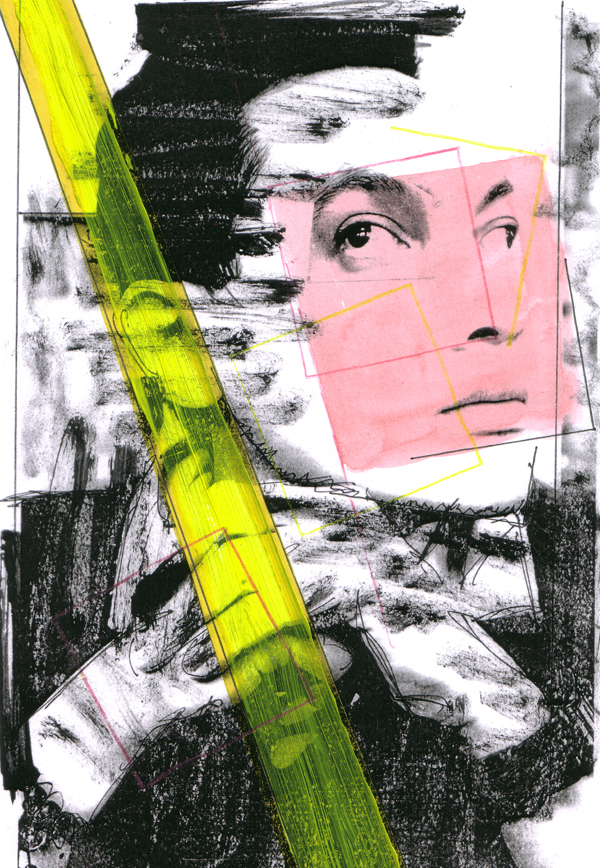
By contrast, the second photograph, taken in 2019, juxtaposes a passer-by with a large fashion advertisement, reflecting a neighbourhood increasingly associated with design, creative industries, boutique retail and affluent consumers. Commercial Street has evolved into a place where global brands and lifestyle marketing occupy spaces that once served working-class communities, local workshops and independent businesses.
Together, the photographs chart a profound transformation in the area’s social identity. The 1990 image belongs to an East End still characterised by relatively affordable housing and long-established immigrant communities, particularly those of Jewish and later Bangladeshi heritage. By 2019, the same streets had become emblematic of London’s wider process of gentrification, attracting professionals, technology companies, galleries, restaurants and rapidly rising property values.
The two photographs therefore raise important questions about who ultimately benefits from urban regeneration. While investment undoubtedly brought improvements to the physical environment and generated new economic activity, these gains were accompanied by escalating rents and house prices that made it increasingly difficult for lower-income residents and independent traders to remain. House prices in the London Borough of Tower Hamlets increased by well over 300 per cent between the mid-1990s and the late 2010s, while commercial rents followed a similar upward trajectory. At the same time, census data show that the proportion of residents employed in professional and managerial occupations rose substantially, reflecting a marked shift in the social composition of the neighbourhood. The fashion poster in the second image becomes more than an advertisement: it symbolises a consumer economy increasingly directed towards a different demographic from the communities that historically gave the East End its distinctive character.
Urban renewal is rarely a straightforward story of progress or decline. Instead, it is a story of competing interests, changing identities and the continual reshaping of place. The transformation of Spitalfields undoubtedly created wealth and restored much of the built environment, yet it also displaced many long-standing residents, small businesses and traditional street markets. Although developers and often the local Council promoted regeneration as a process that would benefit the wider community, the evidence suggests that its rewards were very unevenly distributed.