Exploring Digital Photomontage: Hanbury Street Art
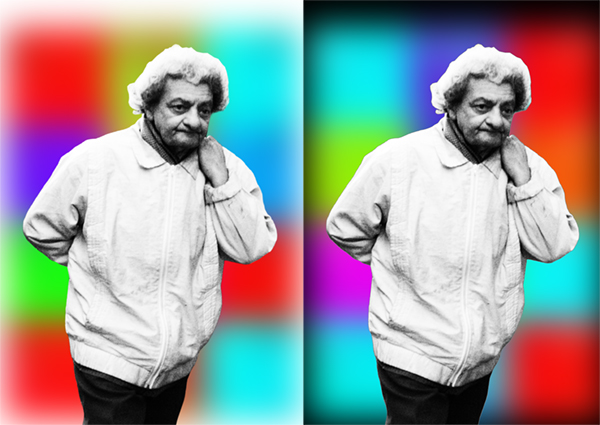
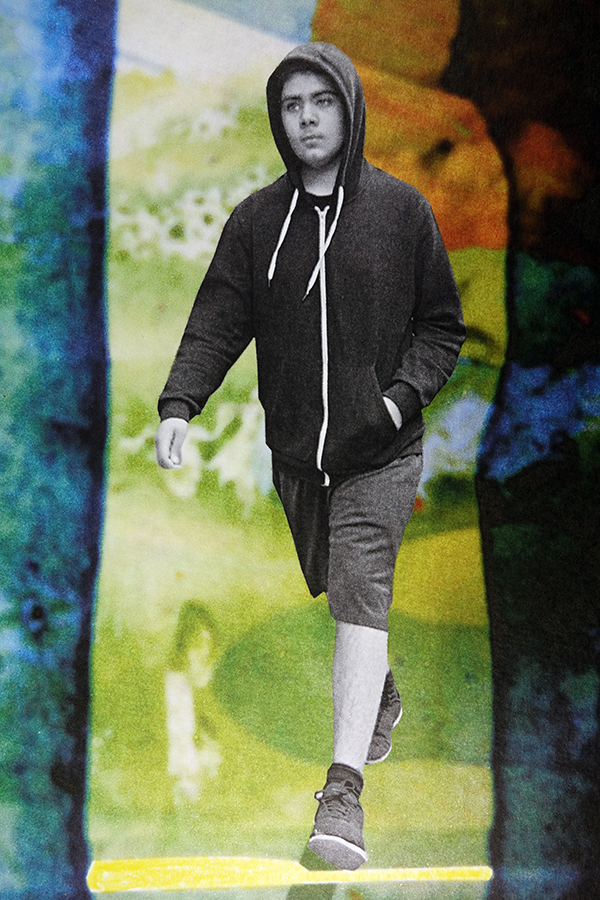
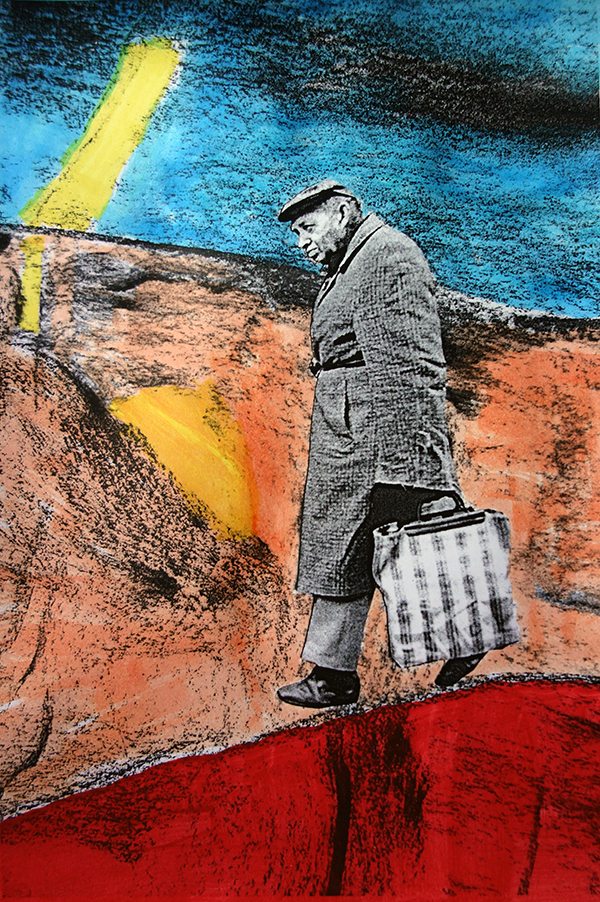
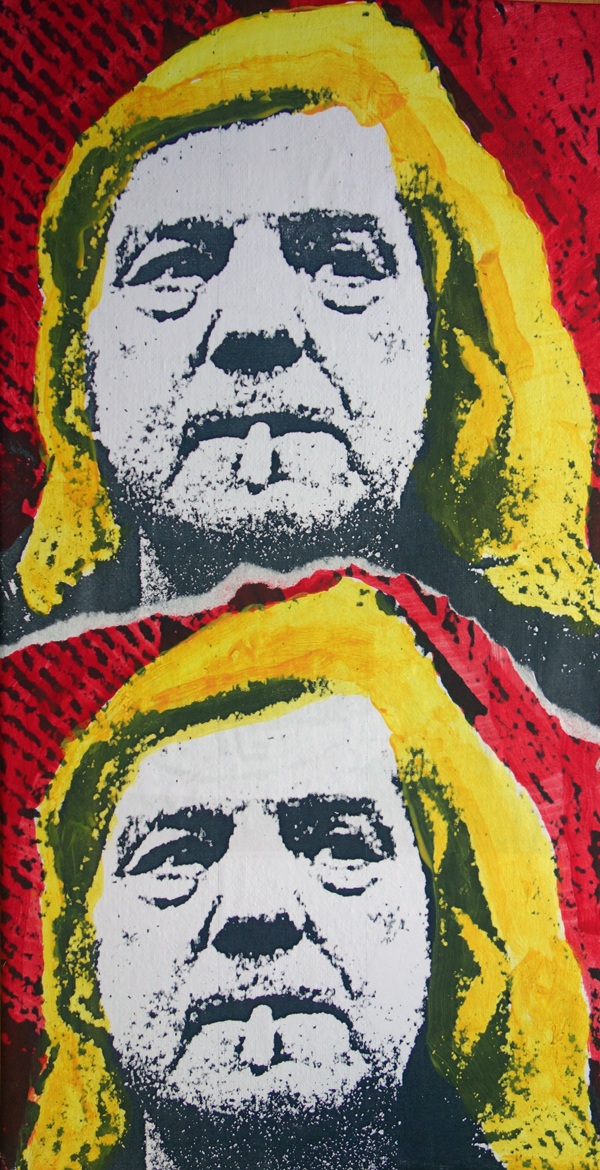
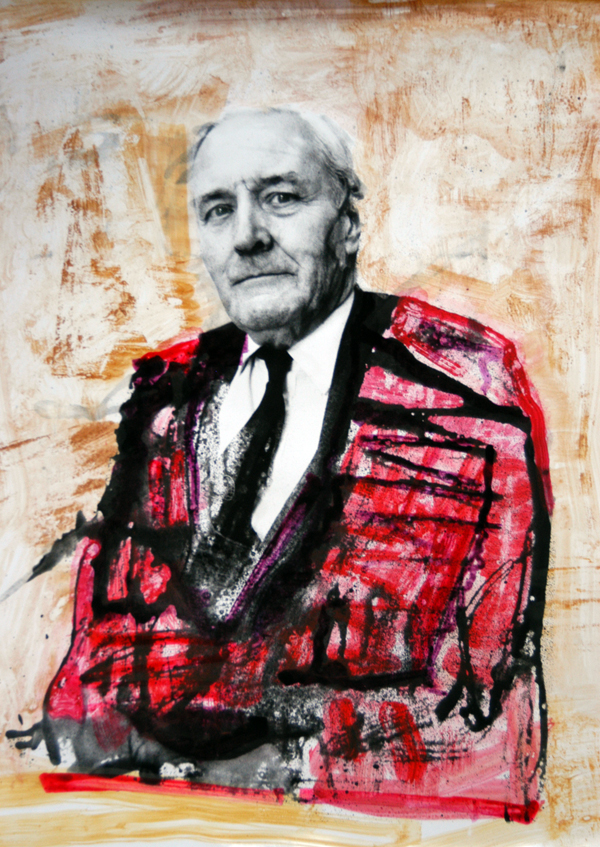
I Made this photomontage from two images. The subject is a man I photographed walking up Hanbury Street, just off Brick Lane, in 2002. I’ve always been interested in encouraging viewers to look at a photograph, particularly of people, in a different way. In the past I would repeat images printed in the darkroom and and paste them together. Here I was working in a digital environment. The background was constructed from different segments of artwork to make highly saturated, blurred color blocks—almost like a digital gradient or colour test pattern.
On the left, the colours feel softer and more diffused; on the right, they appear darker and more intense. In fact one is a positive and the other a negative. The effect shows how context shapes perception despite the fact that both images of the man are exactly the same.
I also like the idea that this man is being celebrated by the rich colours surrounding him, almost as if he’s been immortalised in stained glass.
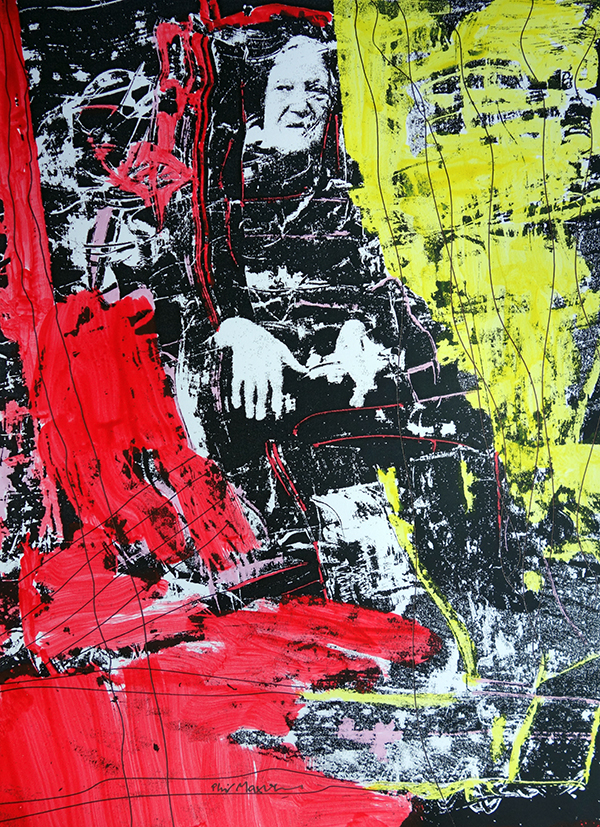
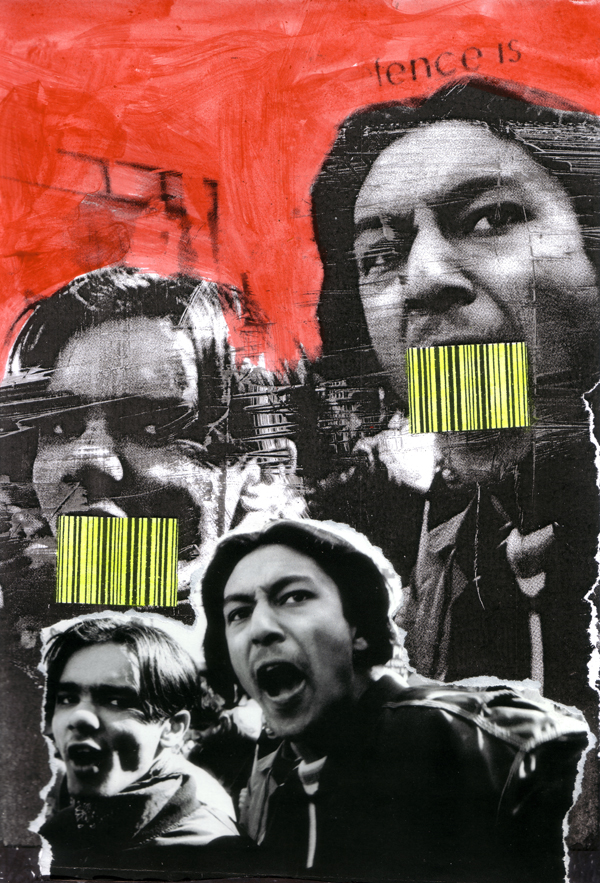
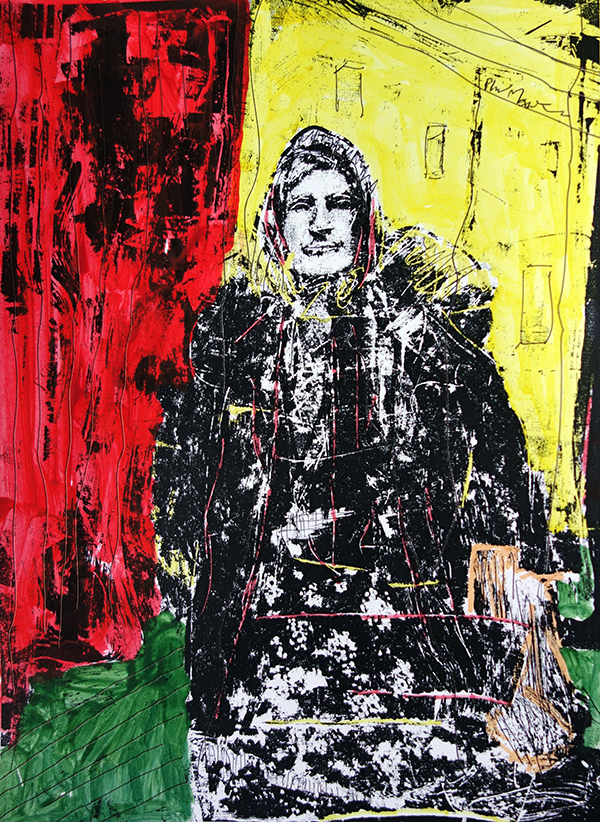
The non digital collage below is based on a photograph I took in Commercial Street in 1987.

You can buy a signed copy of my latest photo book here
Exploring the Lives of Remarkable People in East London
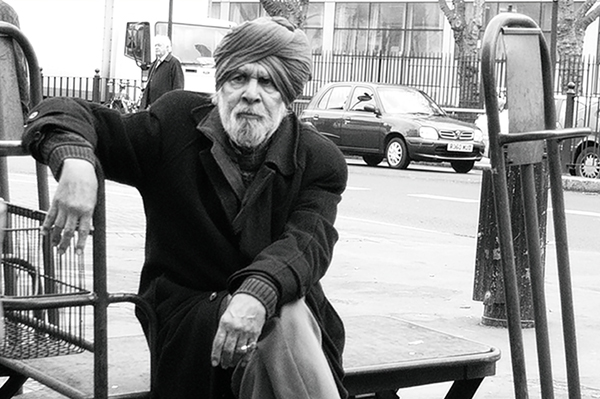
When I photographed this market trader resting on a cart, I was struck by how, despite the noise and movement around him, he seemed entirely absorbed in his own world—lost in thought. His posture, facial expression, and attire—especially the turban and coat—imbue him with a strong sense of character. He immediately draws the eye and invites a story. What is he thinking about—the past, the future, or a distant place?
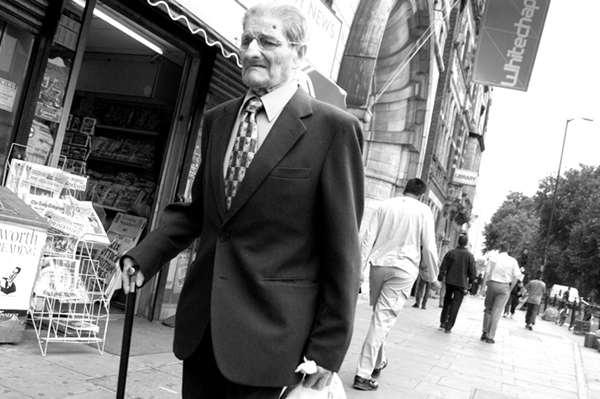
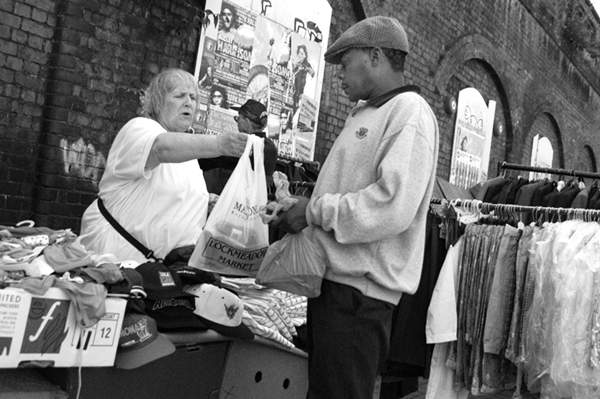
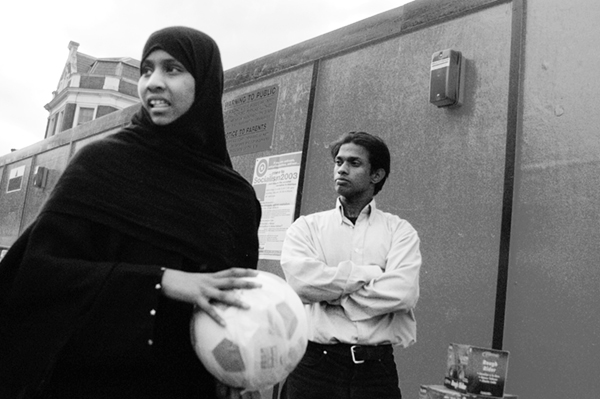
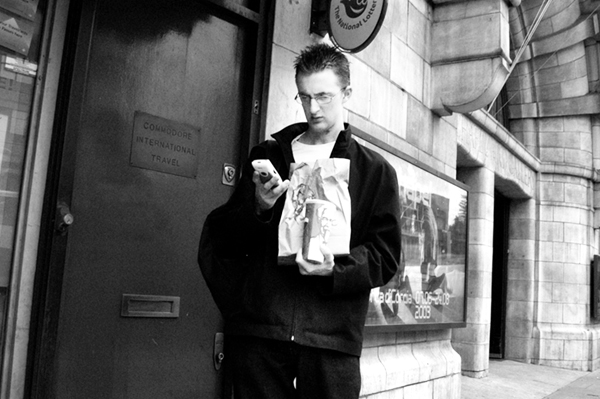
Whitechapel Market has long been home to a rich mix of personalities, a place where individuals from many backgrounds come together, collectively reflecting the diversity of the wider world.


You can buy a signed copy of my latest photo book here
Mixed Media Reflections on Human Experience
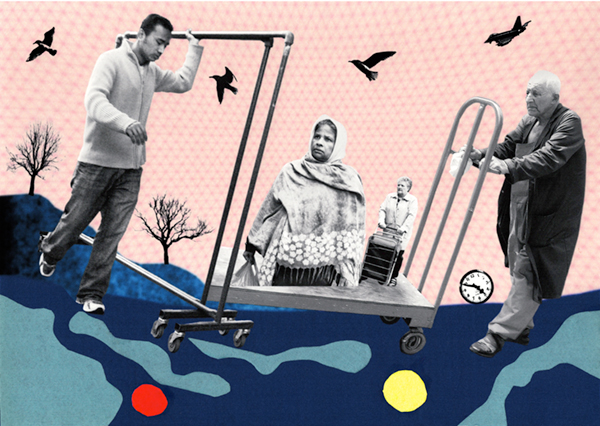
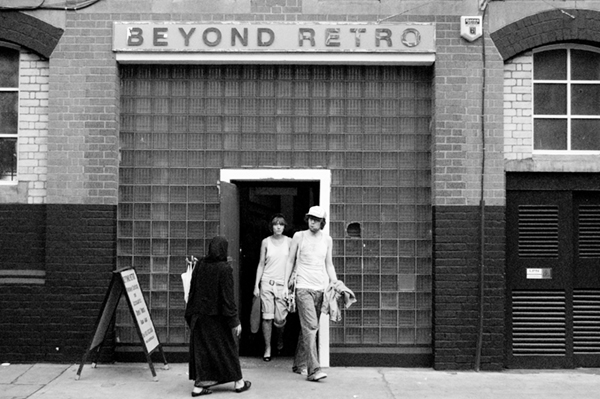
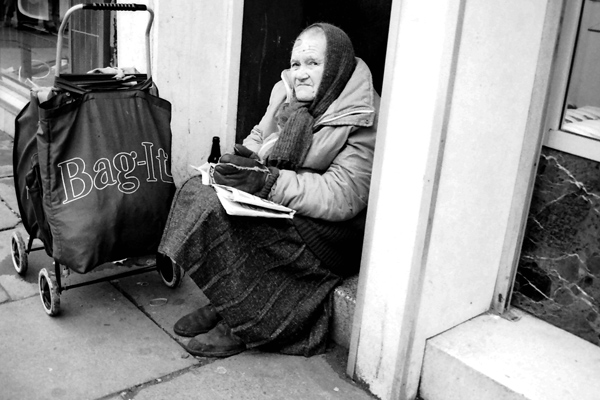
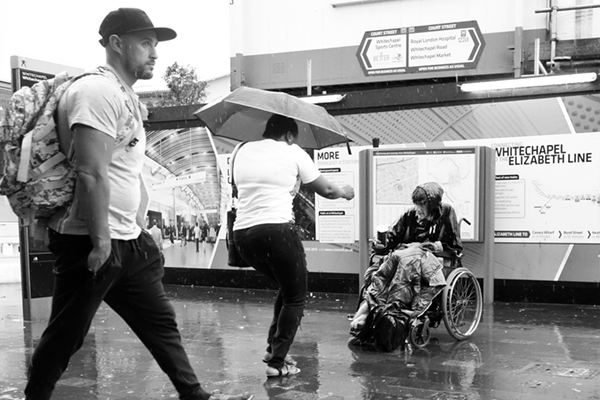
This collage is a layered meditation on movement, work, and the market place. The four people were all photographed on Whitechapel Road. All the elements in the composition are connected by a dreamlike landscape which examines the difference between human reality and the constructed world. The birds in the sky are free but are the people?
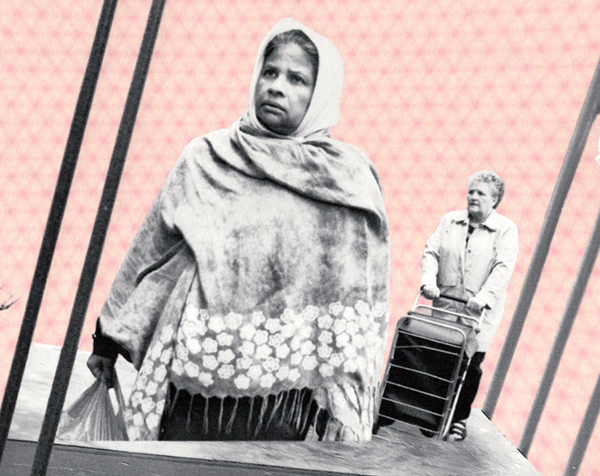
The two women in the market depend on the market workers to purchase food and other goods. The cart is empty. Has it become a prison or a trolley to take them on a journey that might relieve the drudgery of everyday life?
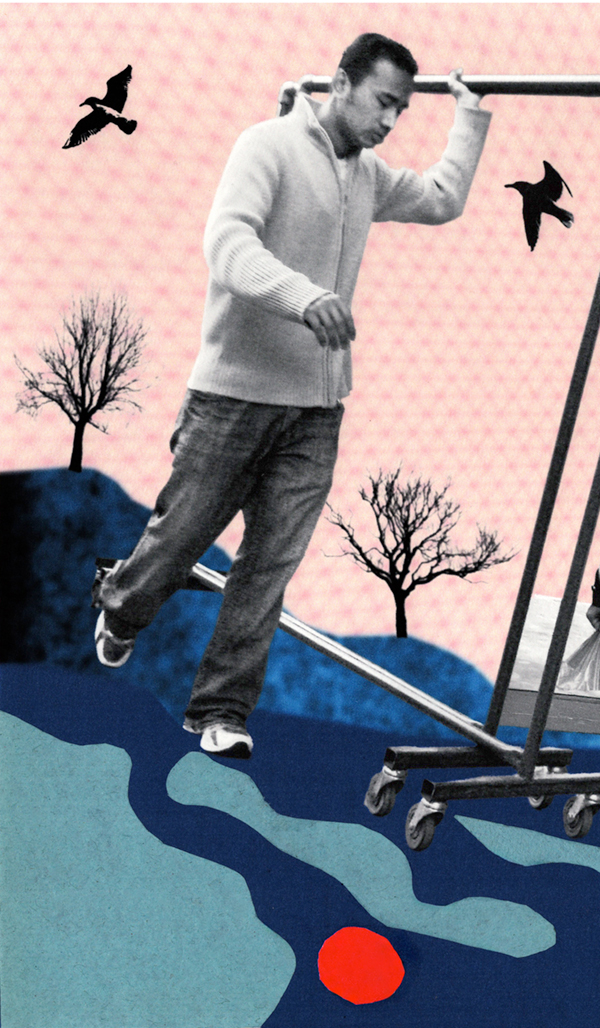
This market worker is moving an empty clothes trolley and could be thinking about the end of his days labour. The demeanor of both of the men hint at survival in uncertain conditions and hardship.
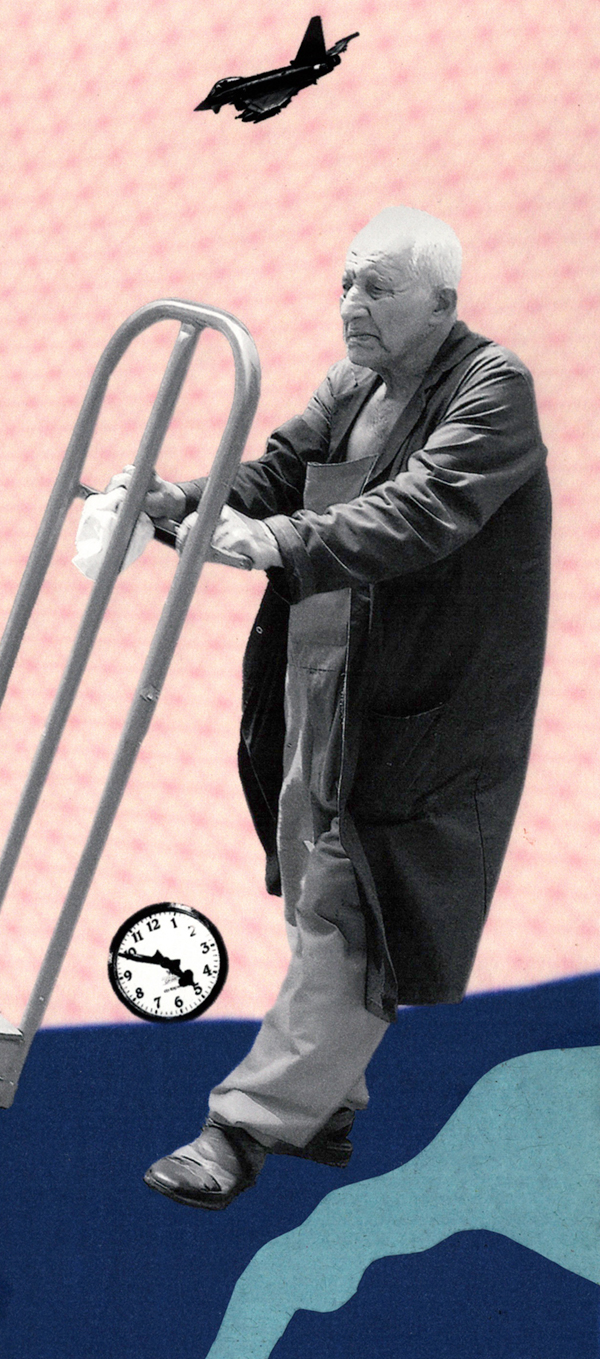
I’ve deliberately placed familiar objects into improbable contexts. Birds float freely overhead while humans remain grounded and burdened, creating a visual contrast between freedom and constraint. The presence of a clock hints at the pressures of time in peoples hectic lives. Furthermore it’s not a bird flying overhead but a Typhoon fighter jet representing the dangerous world we all live in today.
Ultimately, the artwork operates on multiple levels. Aesthetically, it uses contrast, balance, and abstraction to guide the viewer’s eye. Psychologically, it evokes tension and transition. Politically, it offers a subtle critique of systems that demand movement while limiting agency. By merging these layers I’ve tried explore the complexities of contemporary human experience.
You can buy a signed copy of my latest photo book here
Capturing Life in East London: A Photographer’s Journey
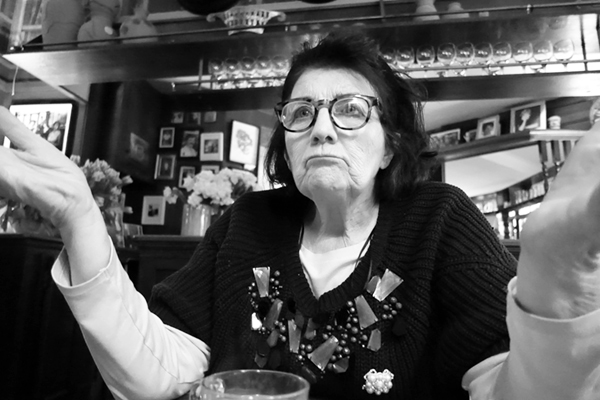
I took this photograph of Sandra in the pub she has run for many years in Spitalfields, the Golden Heart. She was talking with me and Hazuan Hashim, and she’s long been accustomed to me carrying a camera and photographing her, which allows me to capture these candid moments.
Here, her gesture is expressive and open-ended, inviting the viewer to imagine the conversation. The image feels intimate and immediate, capturing a fleeting emotional beat—one that is both relatable and deeply human, balancing humour with seriousness. I never tire of photographing Sandra.



You can buy a signed copy of my latest photo book here
Brick Lane and Beyond: East London in the 80s


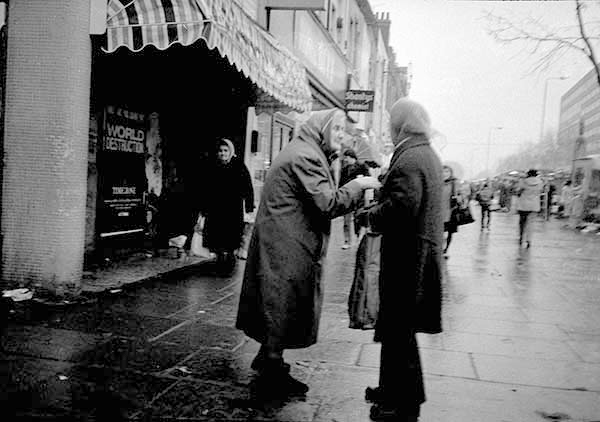


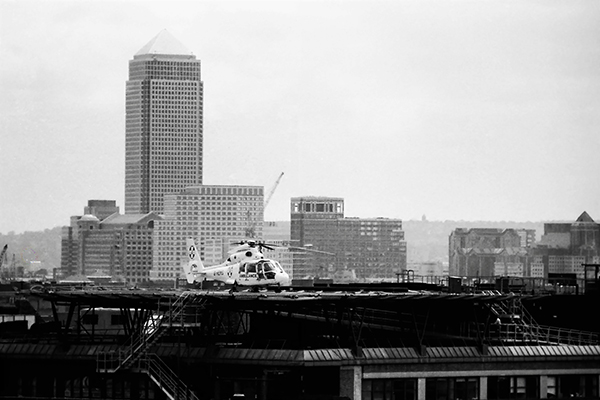

1988.

You can buy a signed copy of my latest photo book here