Remembering the Battle of Cable Street: A 90-Year Legacy
Ninety years ago today, the streets of London’s East End became the scene of one of the most remarkable acts of resistance in British history.
On 4 October 1936, Sir Oswald Mosley’s Blackshirts planned to march through the heart of the East End, with around 3,000 fascists setting out from Tower Hill towards Whitechapel. For the largely Jewish community living there, the march was an unmistakable provocation.
The government refused to stop it.
So the people of the East End did.
Tens of thousands poured into the streets around Cable Street and Gardiner’s Corner. Local residents, Jewish communities, trade unionists, communists, socialists and others opposed to fascism joined together to block the route. Barricades went up. The police struggled to clear a way through the crowds. In one of the enduring images of the day, a tram driver abandoned his tram in the middle of the road, helping to bring the traffic — and the march — to a standstill.
Eventually, the police diverted Mosley’s march away from the East End. The Blackshirts never reached their intended destination.
Among those who stood there that day was Max Levitas.
I was fortunate enough to meet Max many years later when we interviewed him for our film, From Cable Street to Brick Lane. He spoke with extraordinary clarity and warmth about the events of 1936, but Cable Street was not simply a story from his past. Max spent his long life campaigning for peace, social justice and equality.
Listening to him, the distance between 1936 and the present seemed to disappear. The history was no longer something written in books or remembered in black-and-white photographs. It was there in Max’s voice, in his memories, and in the person sitting in front of the camera.
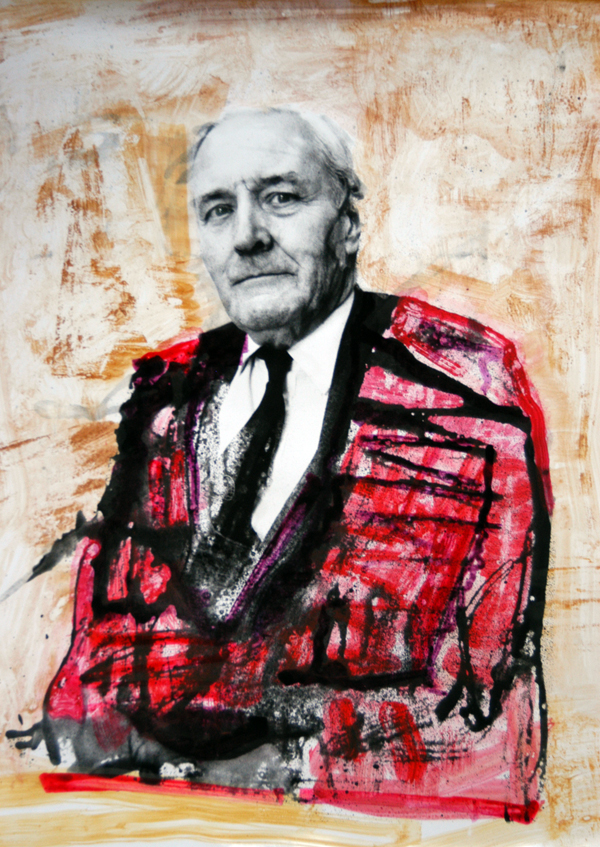
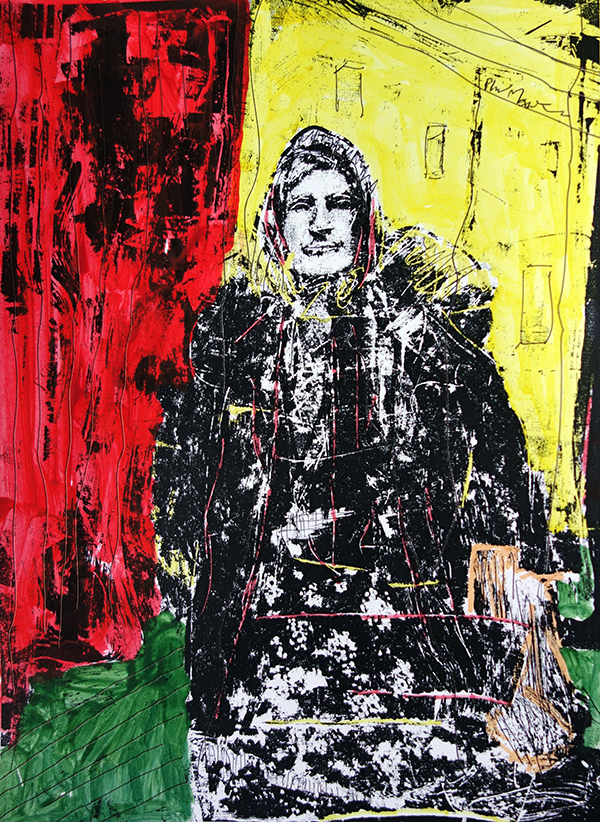
The photographs in this post bring together different moments in that continuing story.
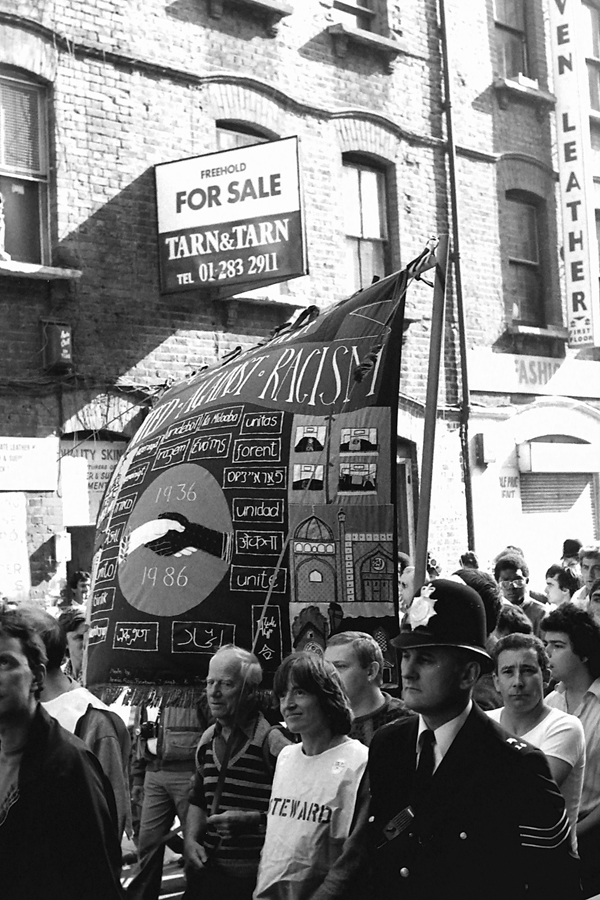
There are photographs of Max himself, whose life connected us directly to the events of 1936. There are photographs I took at the 50th-anniversary march and celebration at Stepney Green in 1986 — 40 years ago now. And there are photographs from more recent Cable Street events, showing how the memory of that extraordinary day has continued to be carried forward by successive generations.
Looking at those older photographs again, I’m struck by the faces. People who came together to remember something they had experienced, or inherited as part of the history of their families and their community. Some of those faces are now themselves part of history.
And then there are the streets.
Cable Street, Whitechapel, Stepney Green, Brick Lane — places that have changed and changed again, while still carrying traces of the communities that made their history. Walking through them with a camera has always felt like moving between different layers of time.
That is what From Cable Street to Brick Lane was about for me: not simply recording a historical event, but listening to the voices and photographing the people and places through which that history continues to live.
Ninety years on, Cable Street remains more than a story about a march that was stopped.
It is a story about ordinary people filling the streets, standing together, and refusing to let their neighbourhood be used as a stage for hatred.
These photographs are some of the fragments of that story that I have been lucky enough to witness and preserve.