The Dialogue of Two Generations in London
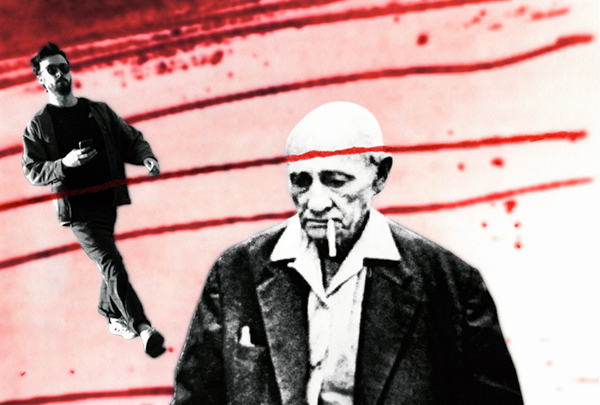
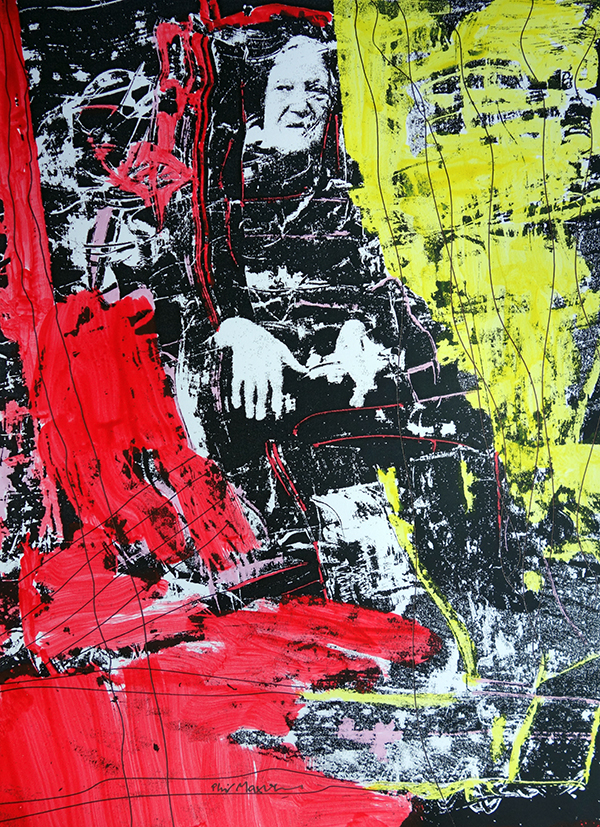
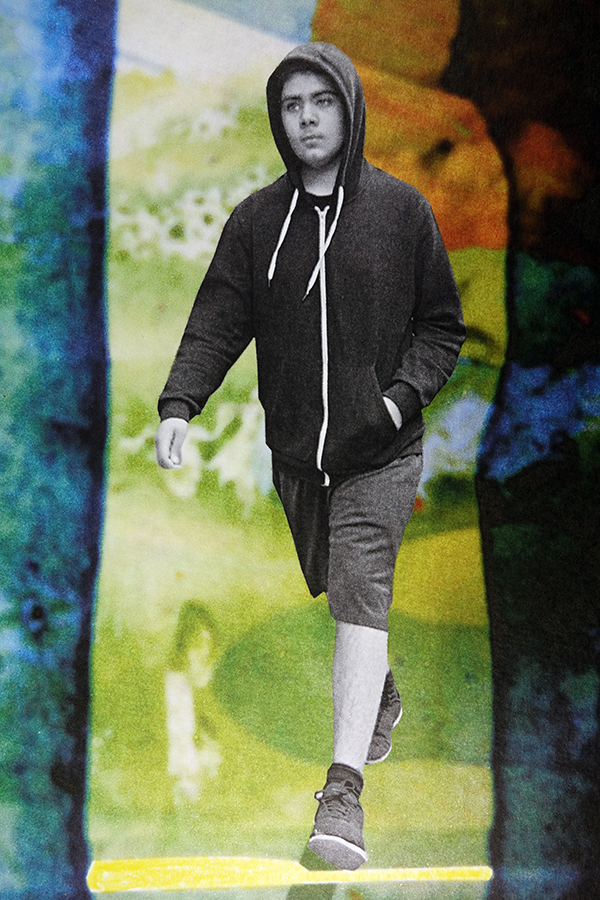
Here we have two photographs separated by roughly four decades: the central figure from Brick Lane in the 1980s and the younger figure from Canary Wharf in 2026. I’ve tried to create a dialogue about continuity, displacement, and the changing identity of East London.
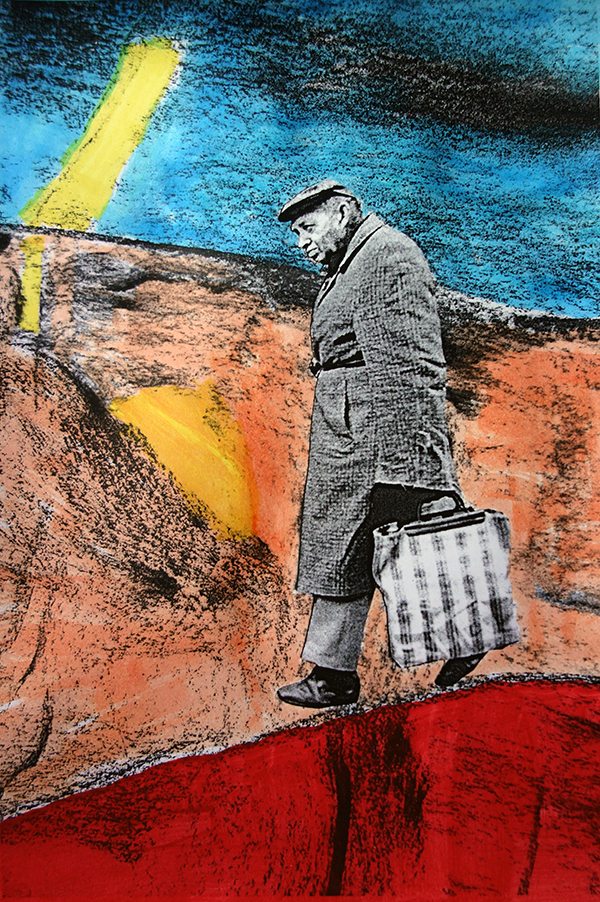
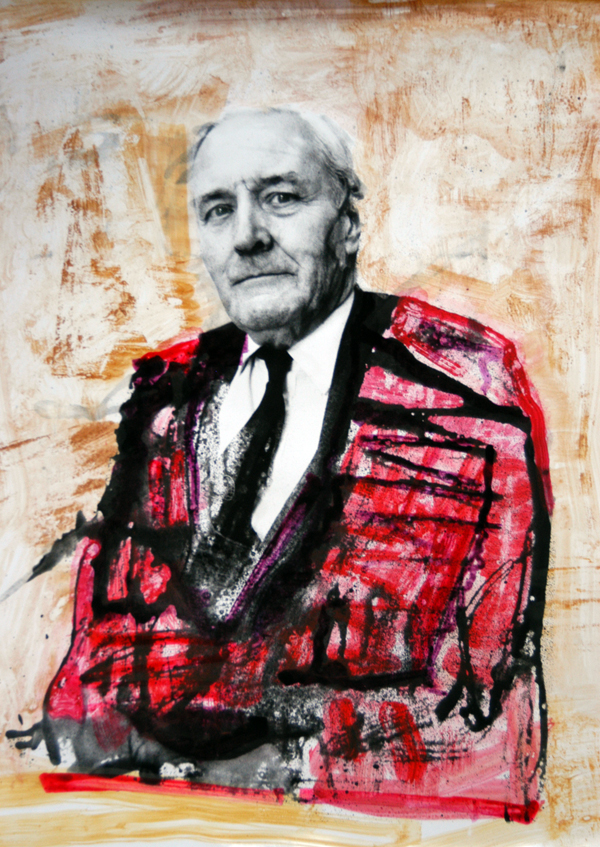
I photographed the older man as he walked slowly down Brick Lane with the aid of a walking stick. I cut out his figure and rephotographed it. His downward gaze, cigarette, and stillness suggest introspection and fatigue. His bald head and worn jacket give him a sculptural presence; to me, he is like a monument to a disappearing generation. He becomes the emotional anchor around which everything else revolves.
In contrast, the smaller figure on the left is walking quickly across a bridge in Canary Wharf, phone in hand rather than engaging with his surroundings. He represents a very different relationship with the city. He is detached from the older man and occupies another psychological and historical space.
Two worlds collide here. The Brick Lane man stands for the older East End, while the Canary Wharf figure represents the digital, financial, and globally connected London of today.
These are two lives occupying the same geographical landscape but belonging to different historical moments. Are these figures connected by history, or divided by it? The two subjects move through parallel worlds without ever meeting.
The red horizontal bands resemble veins, suggesting that a connection between past and present still remains. I see the work as a meditation on how photomontage can compress decades into a single, unresolved moment.