The Forgotten Liverpool: Stories from the 1980s
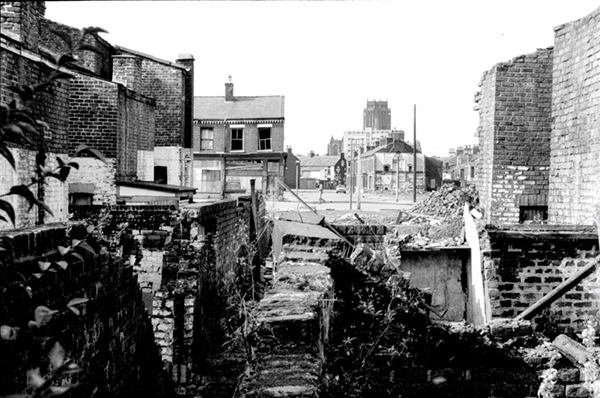
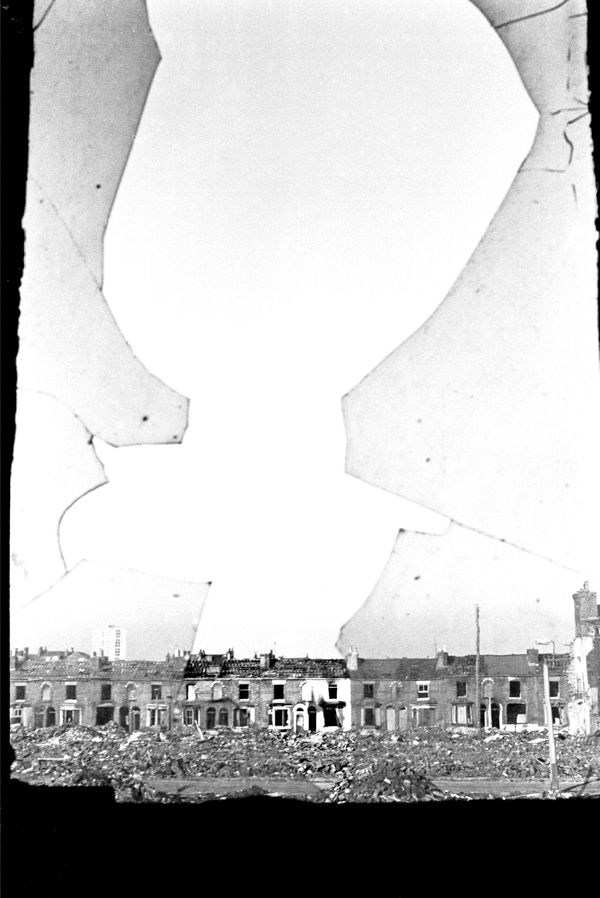
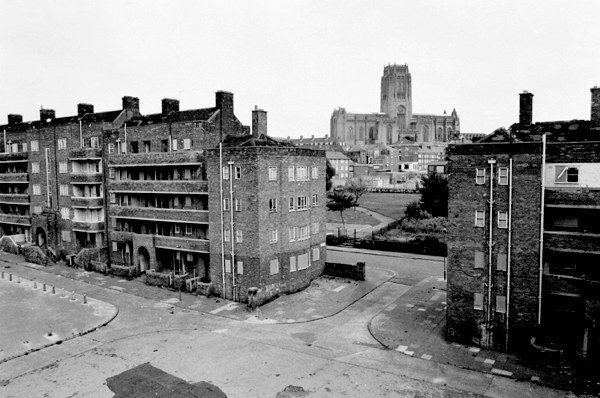
When I took this photograph in 1980, Liverpool was in the midst of profound economic and social upheaval. It later emerged that the government had placed the city into a policy of “managed decline”, and public investment had fallen to an historic low.
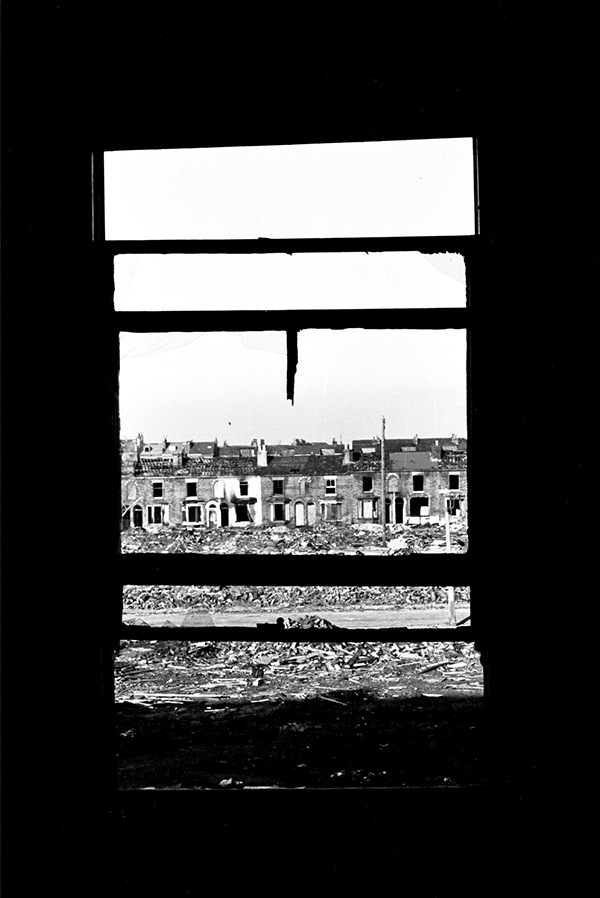
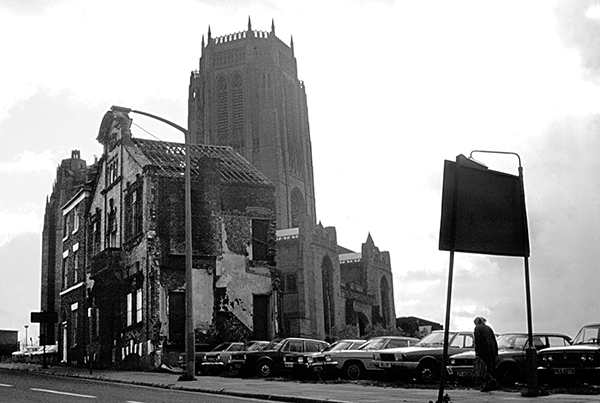
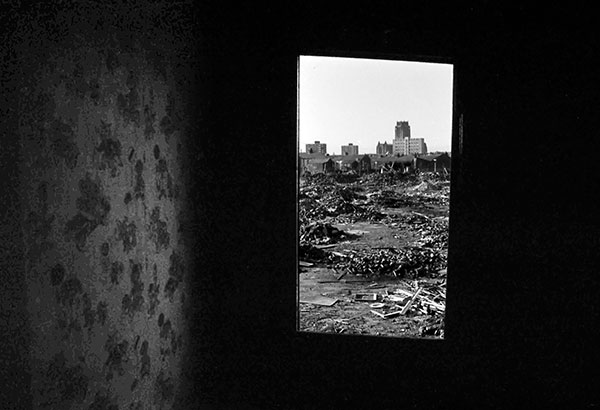
The distant tower of the Cathedral serves as a visual anchor. In the foreground lie the remains of demolished terraced houses: fractured brick walls, collapsed roofs, empty foundations, and piles of rubble. I climbed onto a wall to make this photograph—something I would be unable to do today.
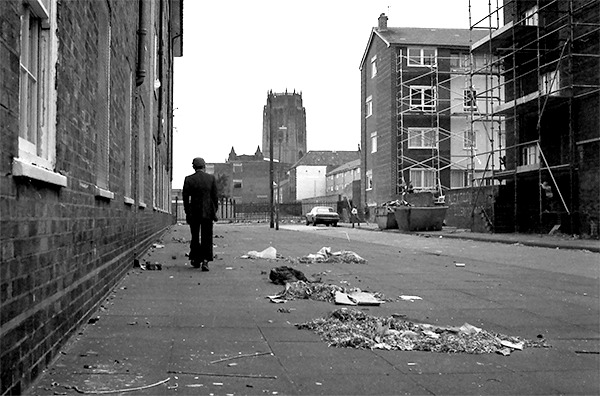
The route to the Cathedral is quite literally obstructed by ruins. Knowing what happened just a year later, during the 1981 Toxteth uprising, adds another layer of meaning to the image. Although the photograph predates those events, it now seems almost prophetic. This abandoned landscape speaks of neglect, disinvestment, and communities placed under immense pressure. What I remember most, however, is the silence. As I stood there, I found myself imagining the lives of the people who had once filled these small terraced houses with activity and routine.
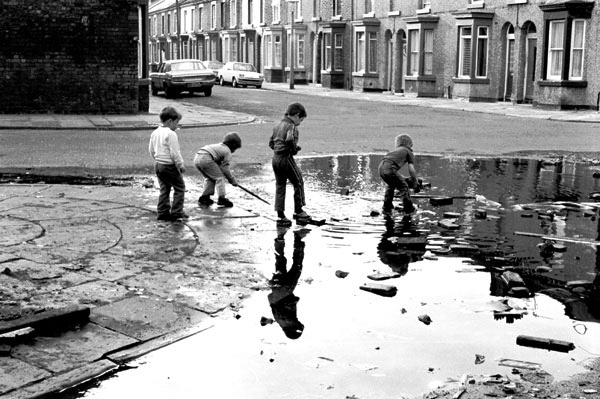
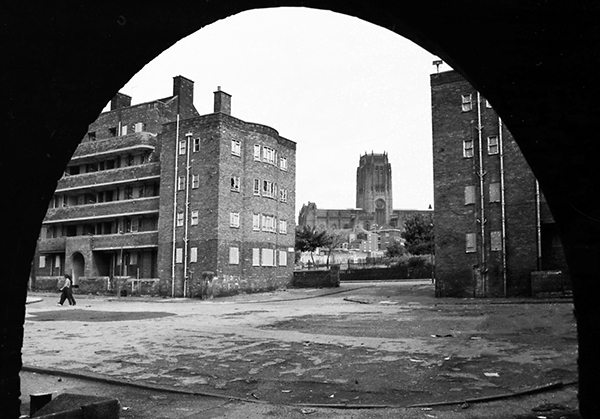
I have always believed that a city’s true identity resides not in its great monuments but in the streets and houses where ordinary people live. I placed the Cathedral beyond this landscape of abandonment because Liverpool’s history cannot be understood through its landmarks alone. It must also be read in the traces of the communities that were displaced or erased.