The Power of Reading: A Great Escape.

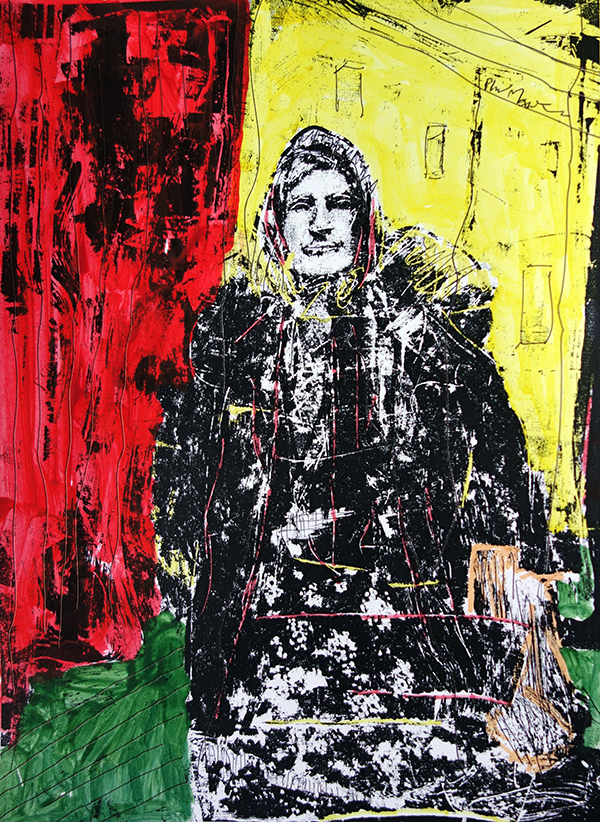
Whitechapel station has changed dramatically since this photograph of a woman reading her book was taken. Today, you’d be far more likely to see someone absorbed in their phone than in a paperback. I imagine this passenger has passed through the station many times before, navigating the stairs almost instinctively. Yet she is clearly elsewhere—lost in thought, detached from her surroundings. She has carved out a small, private world in the middle of a transient space. The book becomes a kind of shelter, its thin pages standing in for walls.
Whitechapel Station is built for movement—for people passing through without attachment. Nobody is meant to linger. And yet, she leaves an impression precisely because she resists that momentum. While everything around her suggests urgency and flow, she chooses stillness. Reading here isn’t just a way to pass time; it’s a quiet act of opting out. That choice gives the image its emotional core.
There’s also an enduring sense of mystery. I find myself wondering what she was reading, what held her attention so completely—but of course, that’s something I’ll never know. The unanswered question becomes part of the photograph’s power.
The station itself opened on 6 October 1884 as part of the District Railway, serving a rapidly expanding and industrialising East London. Since then, countless passengers must have read newspapers, novels, letters—small acts of inwardness amid the outward rush. This single image, of a woman reading as she climbs the stairs, taps into that long, unseen history.
It’s a reminder that photography doesn’t just record what is visible; it sparks what we imagine.


You can buy a signed copy of my latest photo book here