Exploring the Beauty of Glass in Photography
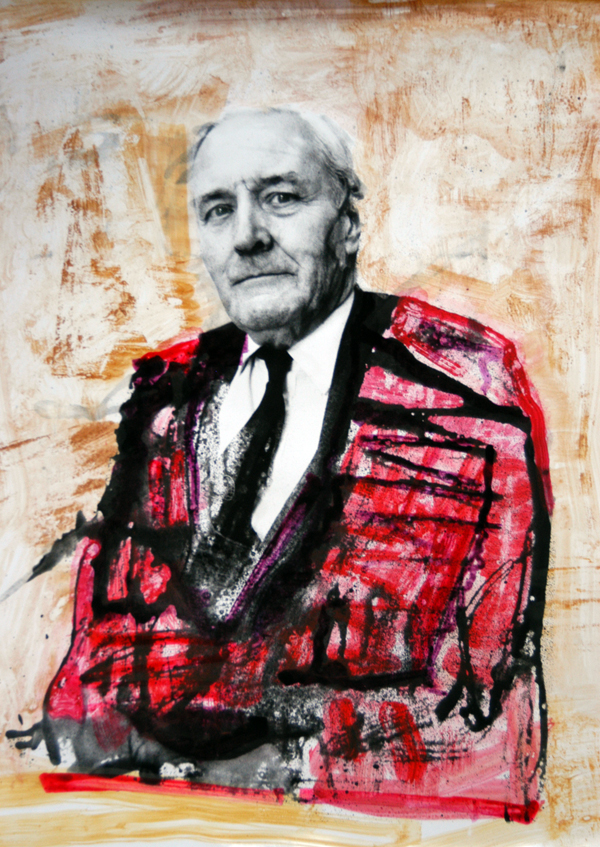
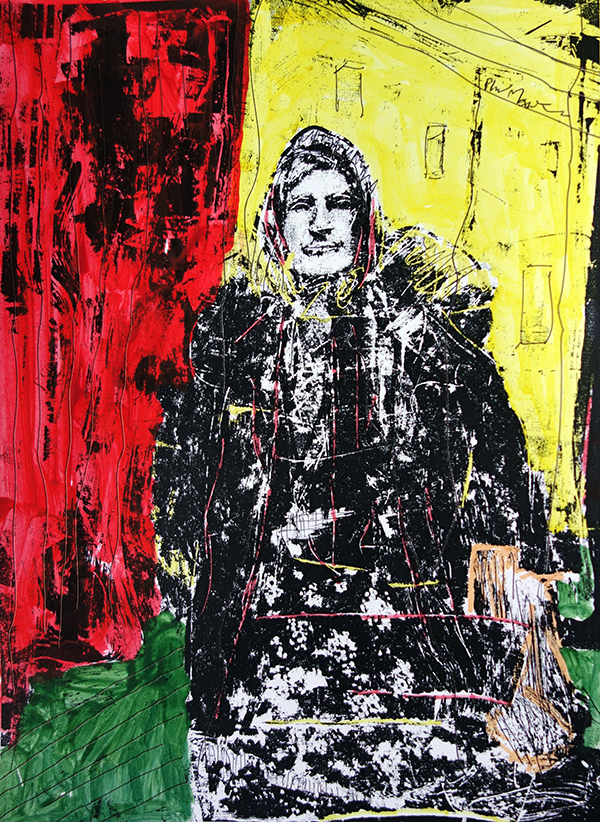
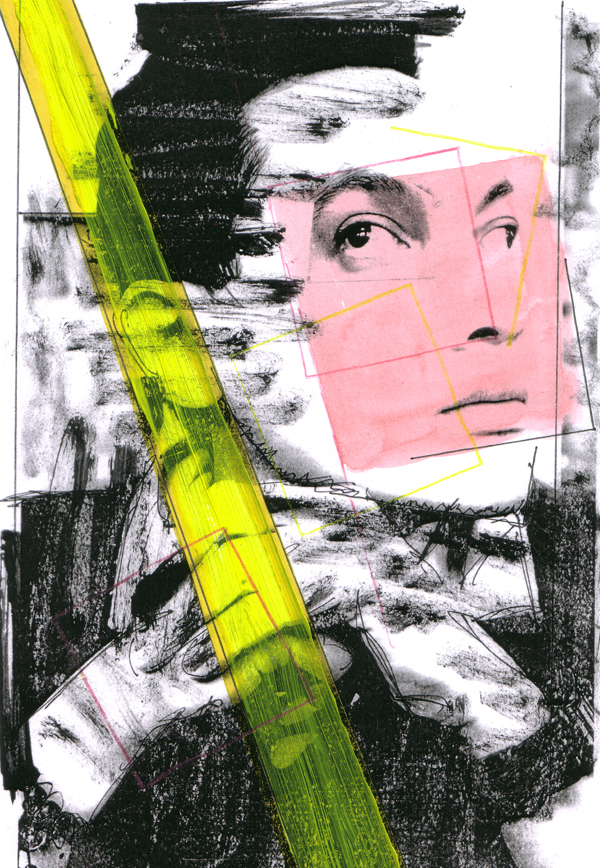
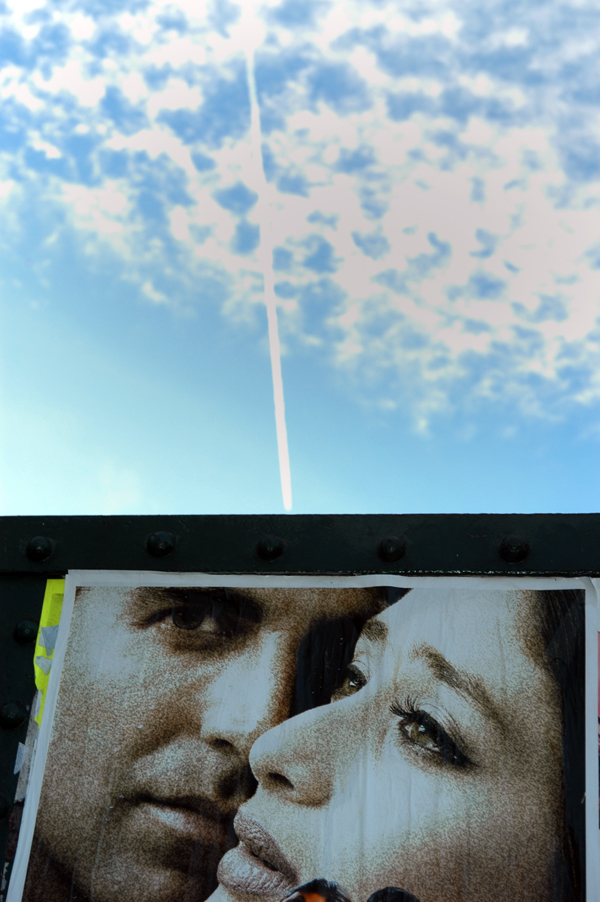
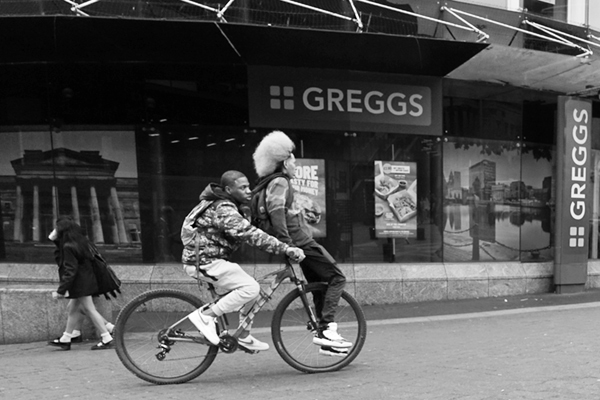
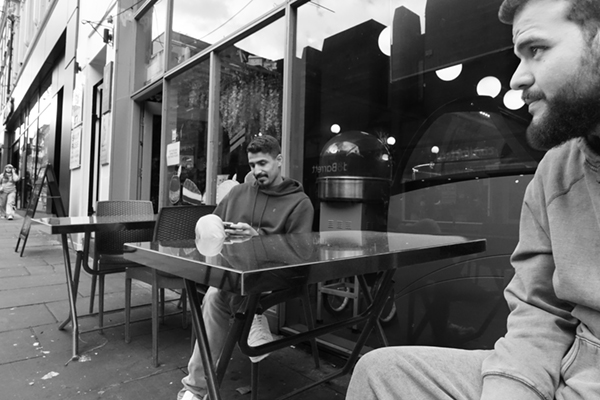
There’s something about glass that has always caught my eye. I can walk past an ordinary window, bottle, ornament or piece of discarded glass and suddenly find myself looking at it differently — wondering what the light is doing, what is being reflected, and how the scene might change through the lens of my camera.
I’ve always been fascinated by glass, not only as an ancient material but as something that seems to have a life of its own when photographed. Humans have been making glass for thousands of years. The earliest known glass objects were made in Mesopotamia and Egypt around 3500 BCE, initially taking the form of beads, jewellery and decorative objects. Over the centuries, glassmaking evolved, and by the time of the Industrial Revolution, new manufacturing methods allowed glass to be produced on a much larger scale.
Today, glass is everywhere. We look through it, look into it, walk past it and often barely notice it. But for a photographer, it can transform the ordinary into something much more intriguing.
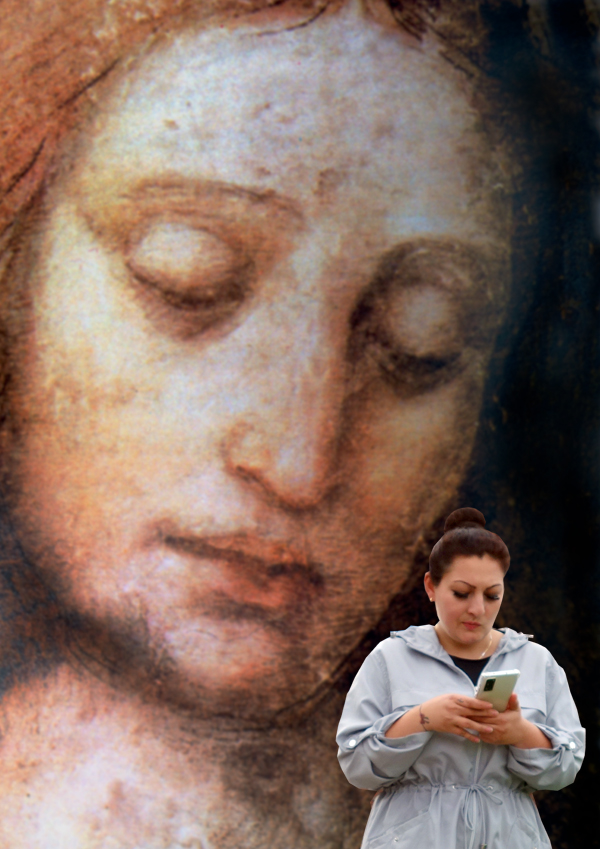
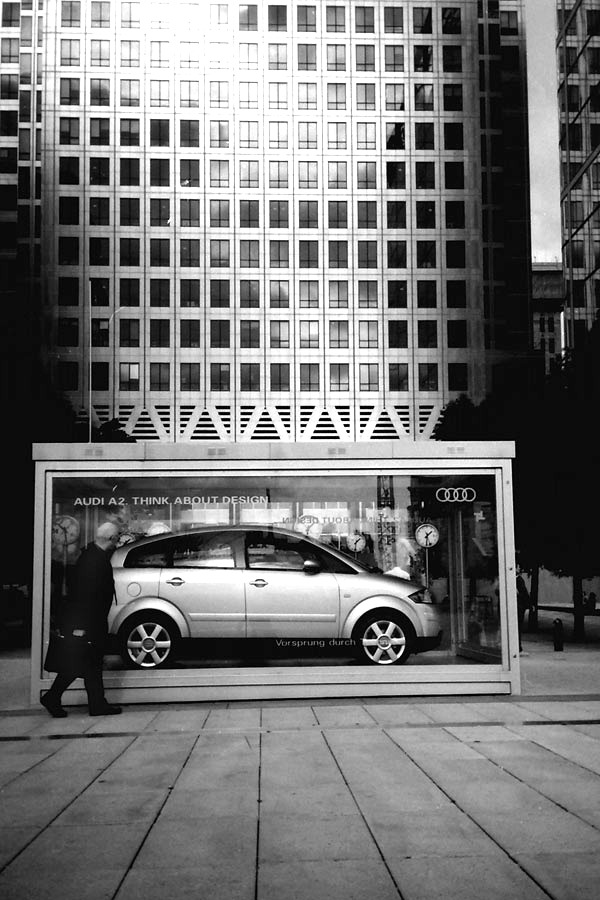
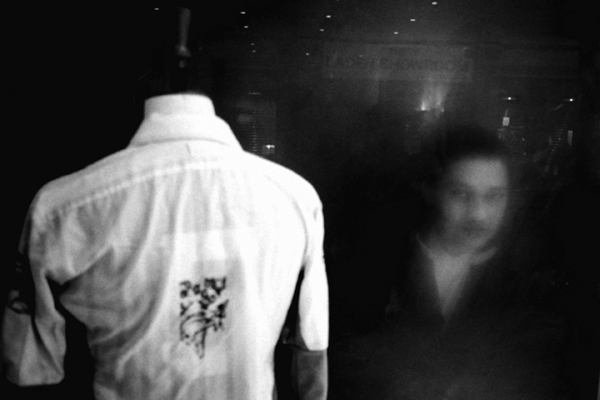
What attracts me most is the way glass interacts with light. Reflections, refractions, shadows, highlights and imperfections can all produce unexpected results. A pane of glass can mirror one scene while revealing another behind it; curved glass can stretch, compress or completely distort a familiar subject; textured and coloured glass can turn light into abstract shapes and patterns. Even scratches, bubbles, ripples and fingerprints can become part of the image.
Glass also introduces an element of surprise. You can never be quite sure how the camera will interpret what you’re seeing. Move a fraction, change the angle, or wait for the light to shift, and an entirely different image can emerge. For a photographer looking for unusual images, glass provides endless opportunities to discover the strange, the abstract and the unexpected in everyday surroundings.
Here are some of the images involving glass that have caught the attention of my camera.




Remembering the Battle of Cable Street: A 90-Year Legacy
Ninety years ago today, the streets of London’s East End became the scene of one of the most remarkable acts of resistance in British history.
On 4 October 1936, Sir Oswald Mosley’s Blackshirts planned to march through the heart of the East End, with around 3,000 fascists setting out from Tower Hill towards Whitechapel. For the largely Jewish community living there, the march was an unmistakable provocation.
The government refused to stop it.
So the people of the East End did.
Tens of thousands poured into the streets around Cable Street and Gardiner’s Corner. Local residents, Jewish communities, trade unionists, communists, socialists and others opposed to fascism joined together to block the route. Barricades went up. The police struggled to clear a way through the crowds. In one of the enduring images of the day, a tram driver abandoned his tram in the middle of the road, helping to bring the traffic — and the march — to a standstill.
Eventually, the police diverted Mosley’s march away from the East End. The Blackshirts never reached their intended destination.
Among those who stood there that day was Max Levitas.
I was fortunate enough to meet Max many years later when we interviewed him for our film, From Cable Street to Brick Lane. He spoke with extraordinary clarity and warmth about the events of 1936, but Cable Street was not simply a story from his past. Max spent his long life campaigning for peace, social justice and equality.
Listening to him, the distance between 1936 and the present seemed to disappear. The history was no longer something written in books or remembered in black-and-white photographs. It was there in Max’s voice, in his memories, and in the person sitting in front of the camera.
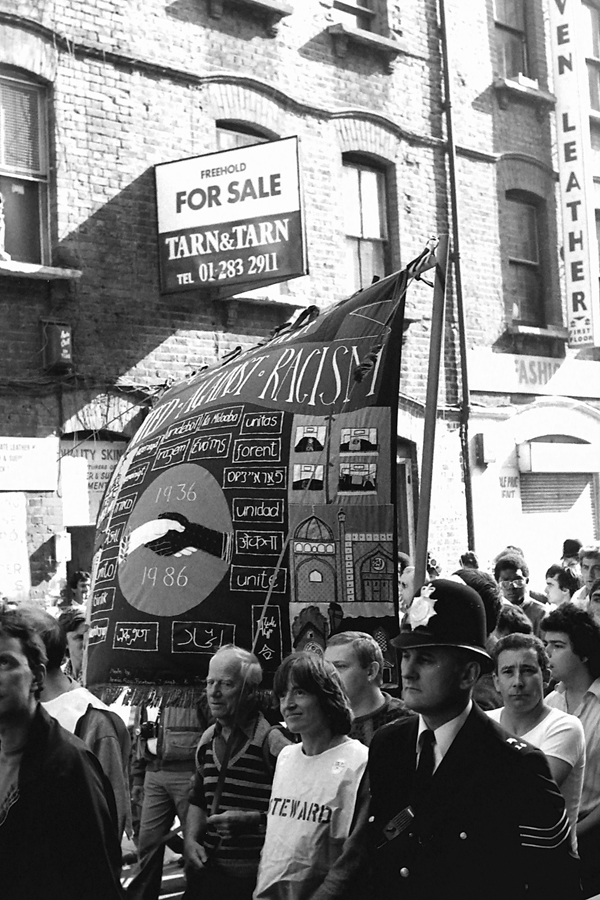
The photographs in this post bring together different moments in that continuing story.
There are photographs of Max himself, whose life connected us directly to the events of 1936. There are photographs I took at the 50th-anniversary march and celebration at Stepney Green in 1986 — 40 years ago now. And there are photographs from more recent Cable Street events, showing how the memory of that extraordinary day has continued to be carried forward by successive generations.
Looking at those older photographs again, I’m struck by the faces. People who came together to remember something they had experienced, or inherited as part of the history of their families and their community. Some of those faces are now themselves part of history.
And then there are the streets.
Cable Street, Whitechapel, Stepney Green, Brick Lane — places that have changed and changed again, while still carrying traces of the communities that made their history. Walking through them with a camera has always felt like moving between different layers of time.
That is what From Cable Street to Brick Lane was about for me: not simply recording a historical event, but listening to the voices and photographing the people and places through which that history continues to live.
Ninety years on, Cable Street remains more than a story about a march that was stopped.
It is a story about ordinary people filling the streets, standing together, and refusing to let their neighbourhood be used as a stage for hatred.
These photographs are some of the fragments of that story that I have been lucky enough to witness and preserve.




Childhood Amid Urban Decay: Toxteth 1980
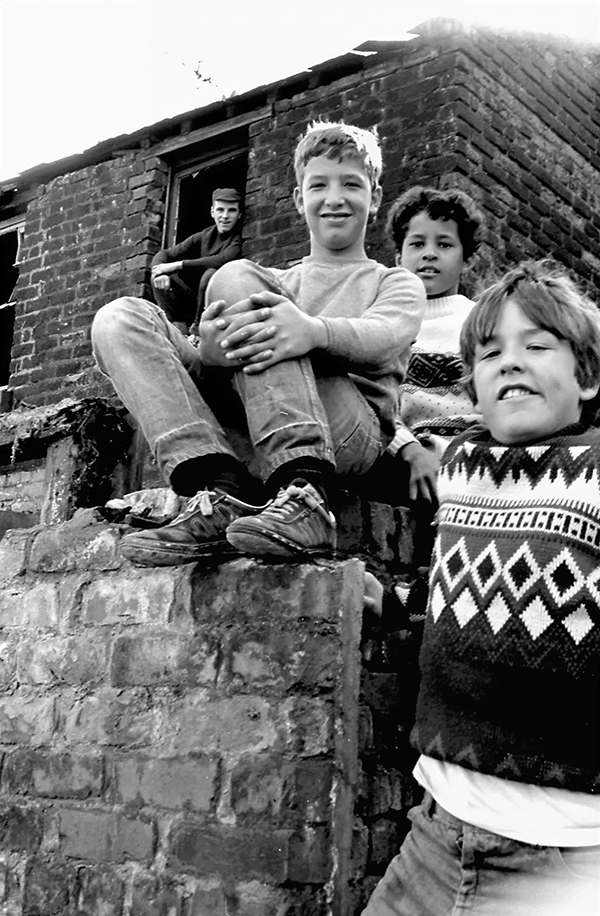
This photograph of children playing among derelict houses in Toxteth in 1980 is striking because it captures both the physical deterioration of Liverpool 8 and the continuing vitality of the community that lived there. The boys are not passive victims of poverty; they have appropriated an abandoned urban landscape and turned it into a place for play and adventure. At the same time, the ruined houses behind them provide powerful evidence of the economic and social pressures facing the area.
When I took the photograph, I was reminded of my own childhood and the hours of adventure I spent with friends exploring abandoned buildings and playing on bomb sites in Coventry. There was something exciting about these forbidden and half-forgotten spaces. Perhaps that is part of what drew me to this scene in Toxteth: despite the obvious poverty and decay, the boys appear to have found their own world of adventure among the ruins.
The photograph captures a striking contrast between childhood and dereliction. The boys are engaged in what looks like ordinary play, yet the environment around them is anything but ordinary. Broken walls, empty houses and exposed brickwork suggest a neighbourhood undergoing demolition and clearance. Houses that had once provided homes for working-class families had become unsafe, unwanted or simply abandoned.
Liverpool had suffered a long-term decline in its traditional economic base, particularly in shipping, the docks and manufacturing. During the 1970s these problems intensified, with unemployment rising and large numbers of people leaving the inner city. Research into Liverpool’s decline records that more than 100,000 people left the city during the 1971–81 decade, through a combination of slum clearance, rehousing and the search for employment elsewhere. (Springer)
The empty terraces therefore tell a story about the destruction of an urban community as much as the destruction of buildings. These houses were not simply structures; they were homes, and their disappearance disrupted established networks of neighbours, families and local businesses. Historic England’s later work on the Welsh Streets in Liverpool 8 illustrates the scale and persistence of the problem: hundreds of Victorian terraced houses eventually became vacant and derelict, demonstrating the depth of the housing crisis in this part of the city. (Historic England)
By 1980, Britain was entering a severe recession, while Liverpool was experiencing the consequences of deindustrialisation particularly intensely. Traditional employment in the docks, manufacturing and associated industries was contracting. For communities already facing economic disadvantage, there were increasingly few alternatives.
The scale of unemployment around Toxteth was enormous. The Scarman Report, which examined the disturbances that followed in 1981, recorded that unemployment registered at the nearby Leece Street employment office had remained at around 17,000–18,000 between 1976 and 1980. In the year to June 1981, it rose by roughly another 3,000, reaching more than 21,000. The report also drew attention to the particular impact of unemployment on young people, including young Black people.
The boys in this photograph belonged to a generation growing up in an environment where the transition from school to secure employment was becoming increasingly uncertain. Their apparently carefree play therefore takes place against a much more troubling economic background.
Yet I think it is important not to view the photograph simply as a document of poverty. What interests me is the way the children have taken possession of this neglected space. The adults may have seen abandoned houses, demolition and decay; the boys appear to have seen possibilities. Their presence brings life into a landscape that otherwise looks empty.
There is also an added poignancy in knowing what was to happen in Toxteth the following year. In 1981 the area became the focus of major civil disturbances, following years of unemployment, poor housing, racial discrimination and increasingly strained relations between sections of the community and the police. None of that is directly visible in this photograph, and I would not want to suggest that the image somehow predicts what happened. But, viewed with hindsight, the derelict houses and the circumstances in which these children were growing up form part of the wider social and economic landscape of the time.
For me, the central significance of the photograph lies in this juxtaposition of childhood vitality and urban abandonment. The boys are surrounded by the physical consequences of Liverpool’s economic crisis, but they are also evidence that Toxteth was a living community rather than simply the “derelict” or “problem” area that much contemporary media portrayed it as.
Perhaps that is what I remember most strongly about making photographs like this. Amid the decay, there was still life: children playing, people talking, families carrying on with their everyday lives. The buildings might have been falling apart, but the community had not disappeared.

Exploring Solitude and Technology on Liverpool’s 79 Bus
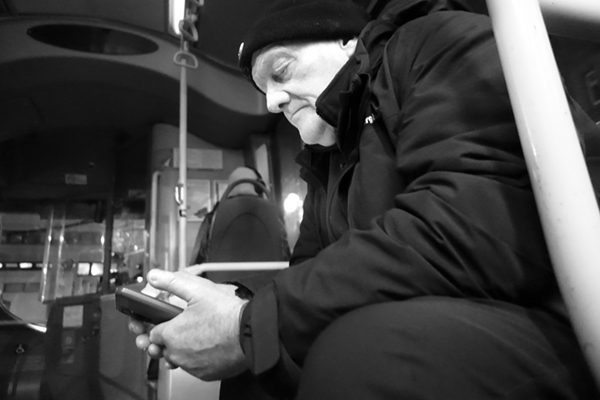
I took this photograph of my good friend Paul sitting on the 79 Liverpool bus, absorbed in his phone. His concentration on the phone creates a remarkably private moment within a public space. As a street photographer years ago I might once have photographed someone reading a newspaper, a book, or looking out of a bus window.
The bus is moving through Liverpool, but Paul is stationary within it. The outside world is reduced to indistinct shapes and reflections through the windows.
Meanwhile, the phone contains an entirely different temporal world of messages, news, social media, information and photographs.
So three forms of time coexist: the physical journey of the bus, the immediate moment of the photograph and the digital world inside the phone. Paul is physically surrounded by other people and the architecture of public transport, but psychologically he appears somewhere else. The bright rectangle of the phone becomes a little window into another world. So my photograph of Paul sitting on a bus looking at his phone is perhaps a meditation on age, technology, solitude, public space and everyday urban life.
Paul would probably say “No Phil it’s just a photo of me on the bus!”
Exploring Venice: Beyond the Tourist Experience
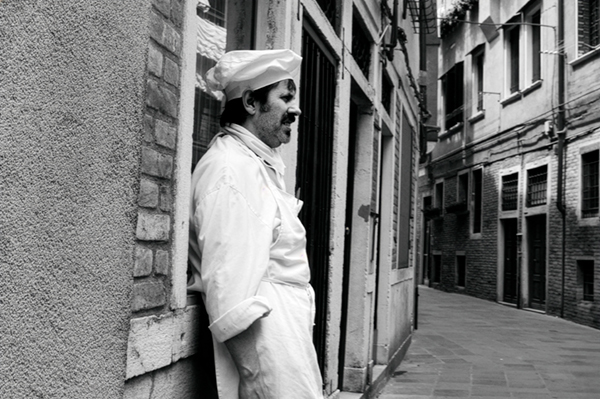
The white uniform and large chef’s hat contrast strongly with the darker doorway and surrounding brickwork in this composition. The chef acts almost as a bridge between the viewer and the street beyond. His uniform suggests cleanliness, professionalism and the traditions of the restaurant industry, while the surrounding buildings show the age of the city. I would imagine that many restaurant workers have occupied the same spot over time.
UNESCO describes Venice as a city founded in the 5th century on 118 islands, which developed into a major maritime power from the 10th century onwards. Its extraordinary historic urban structure has survived remarkably well, with the layout of its streets and buildings retaining much of its medieval and Renaissance character.
The architecture in the photograph reflects this history. The narrow street, tightly packed buildings, exposed brick and small doorways are characteristic of Venice’s historic urban environment. Here I’ve photographed a narrow calle used by local people. I’m showing the working city behind the tourist city.
Venice has an exceptionally long history as a centre of trade, commerce, craftsmanship and food culture. During the height of the Venetian Republic, the city was one of the most important commercial powers in Europe, connecting markets across the Mediterranean and further east. Its position between East and West contributed to the development of a distinctive and cosmopolitan culture.
By 2006, Venice was experiencing a major transformation. Tourism had become enormously important to the city’s economy. Contemporary reporting in 2006 estimated that around 15–18 million tourists had visited Venice during the preceding year. At the same time, the resident population of the historic centre had fallen dramatically, from a peak of about 171,000 in 1951 to fewer than 62,000 by 2006.
Taken in 2006, the image is particularly significant because Venice was already facing the consequences of mass tourism and declining numbers of permanent residents. The narrow back street becomes almost symbolic: behind the spectacular Venice presented to tourists is another Venice of workers, restaurants, homes and everyday routines.
Perhaps this photograph is not simply a portrait of a chef. It is a record of a city in transition — a place where an exceptionally ancient urban environment was increasingly being reshaped by the demands of the modern tourist economy.
Whenever I look back at the photographs I made of Venice at this time I always think of what I could have photographed but didn’t. I’m looking forward to returning!